From dialogue to action: how Senegal and Benin shaped global discussions at Paris 2026
The ninth edition of the Paris Peace Forum, held on November 10-11, 2026, transformed the French capital into a global stage for redefining international cooperation. Amid rising geopolitical tensions and economic fragmentation, African nations emerged as key players, with Senegal and Benin taking the lead in championing themes critical to the continent’s future: economic resilience and technological sovereignty.
The timing of this debate couldn’t be more crucial. With global supply chains under stress and digital transformation accelerating, African voices are no longer just calling for inclusion—they’re demanding a seat at the table where decisions about trade, security, and innovation are made. Senegal’s President Bassirou Diomaye Faye and Benin’s Minister of Digital Transformation and Innovation Mahuna Akplogan arrived in Paris with a clear agenda: to turn discussions into tangible outcomes that benefit African citizens and businesses.
Senegal’s strategic push: diplomacy as an economic lever
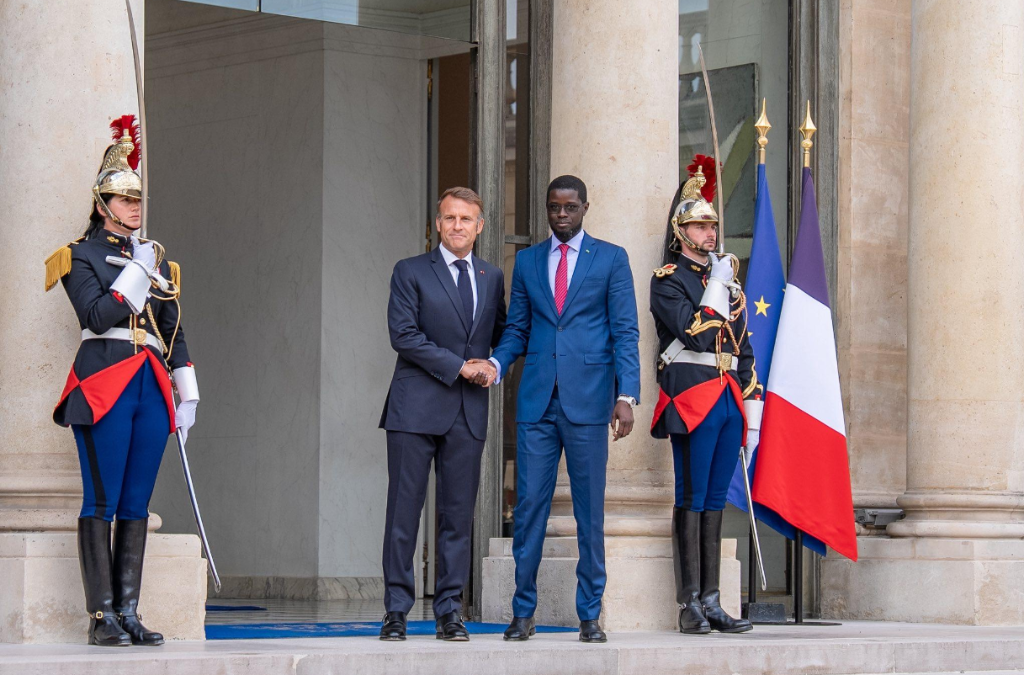
President Faye’s participation in the forum underscored a pivotal shift in Senegal’s foreign policy. In a private meeting with French President Emmanuel Macron, the two leaders explored ways to deepen economic cooperation while safeguarding Senegal’s policy space. The stakes are high: Dakar is seeking greater investment in renewable energy, infrastructure, and agribusiness—sectors where foreign partnerships can fuel domestic growth without compromising sovereignty.
The discussions in Paris also provided a platform for Senegal to address regional security challenges, particularly the escalating threats in the Sahel. By positioning itself as both a voice for African interests and a stabilizer in West Africa, Senegal reinforced its role as a pragmatic African partner on the global stage.
The key objectives outlined by Faye’s delegation included:
- Strengthening Africa’s position in global trade negotiations, particularly within the World Trade Organization
- Advocating for debt relief and fairer financing terms from international institutions
- Promoting regional initiatives that reduce dependence on external military support
- Ensuring African representation in the governance of emerging technologies, including AI and blockchain
For Dakar, the Paris forum was never just about speeches—it was about forging alliances that translate into real economic benefits for Senegalese businesses and citizens.
Benin’s digital gamble: shaping Africa’s tech future
While President Faye spoke to the importance of economic diplomacy, Benin’s delegation championed a different but equally vital frontier: digital sovereignty. Led by Minister Mahuna Akplogan, Benin brought a bold vision to Paris—one centered on reclaiming control over Africa’s digital destiny. With the world’s attention fixed on artificial intelligence, data governance, and cybersecurity, Akplogan argued that true sovereignty now begins with technological self-reliance.
The minister highlighted several areas where Benin is taking the lead:
- AI for development: Benin is investing in national AI frameworks to enhance public service delivery, healthcare diagnostics, and agricultural productivity.
- Data residency laws: Dakar is pushing for policies that keep sensitive African data within national borders, preventing foreign entities from extracting critical insights without accountability.
- Digital infrastructure: Benin has launched initiatives to expand internet access in rural communities, ensuring no citizen is left behind in the digital economy.
- Partnerships on equal terms: Benin is pursuing collaborations with global tech firms—but only on conditions that prioritize local talent development and knowledge transfer.
Akplogan’s message was clear: Africa’s technological future cannot be outsourced. By developing in-house capabilities, Benin aims to reduce reliance on imported software solutions and build a digital ecosystem that generates jobs and fosters innovation across the continent.
His presence at the forum sent a powerful signal: African nations are no longer passive consumers of technology—they are becoming architects of it.
Beyond speeches: turning intent into impact
The Paris Peace Forum has a reputation for fostering high-level dialogue, but for Senegal and Benin, the real test lies in what happens after the closing remarks. Both nations left the event with tangible commitments—not just from Western partners, but from a diverse coalition of over 20 countries and international organizations. The agenda now includes follow-up meetings, joint task forces, and pilot projects scheduled for early 2027.
The question now is whether these initiatives will deliver measurable results. For Senegal, success could mean new trade deals that boost exports of cashews and fish, or reduced interest rates on sovereign loans. For Benin, it might look like a surge in tech startups or a decrease in digital trade deficits. Either way, the goal remains the same: to ensure that Africa’s growing influence at global forums translates into lasting economic and technological gains for its people.
The Paris Peace Forum 2026 proved one thing: when African nations unite on shared priorities—whether in diplomacy, digital policy, or economic strategy—they don’t just influence the conversation. They change the rules of the game.
What’s next for African nations at the table?
The Paris forum may be over, but the momentum is just beginning. Both Senegal and Benin are expected to host high-level summits in 2027 aimed at solidifying the partnerships forged in France. Additionally, African leaders are pushing to include tech and economic sovereignty in the agendas of major multilateral forums, including the next African Union summit and the 2027 G20 meeting.
The message from Paris is unmistakable: Africa is no longer asking for a place at the table. It’s bringing the table—and the stakes are higher than ever.