When diplomatic inquiries become sovereignty disputes
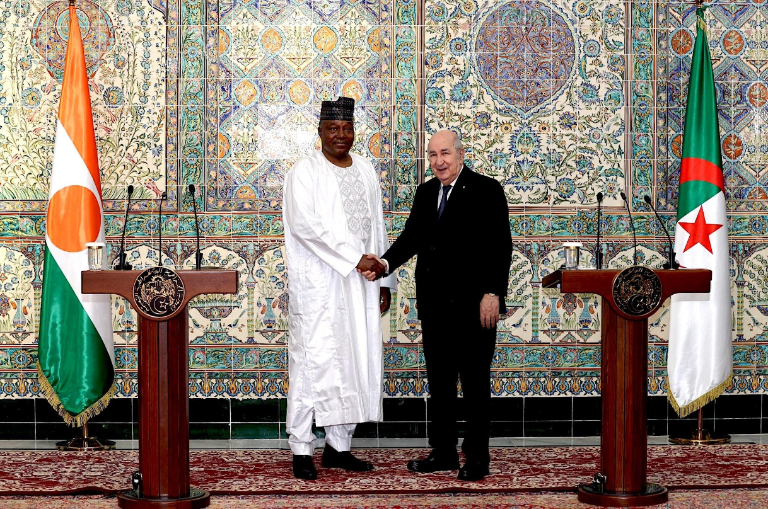
The recent summoning of the European Union’s chargé d’affaires in Niger has thrust into sharp relief a pressing question: Is it permissible for Brussels to seek clarity on a foreign military presence in Niamey without overstepping diplomatic boundaries? This tense exchange follows public remarks from EU officials regarding Algeria’s reported troop deployment in Niger, an issue now at the heart of an escalating debate over sovereignty, transparency, and regional security obligations.
From inquiries to indignation: the EU’s remarks spark diplomatic confrontation
Niger’s transitional authorities summoned the EU representative to the prime minister’s office on November 9, labeling the bloc’s comments as ‘condescending and unacceptable.’ The EU had publicly inquired about Algeria’s military presence in Niger, seeking details on mission scope, objectives, and legal framework. While Niamey views the inquiry as an affront to its autonomy, the EU insists its questions stem from legitimate concerns about cross-border security dynamics in the Sahel.
The confrontation raises a critical question: Can the European Union question a sovereign nation’s security partnerships without crossing a red line? Legal experts emphasize that international law does not grant Brussels veto power over bilateral military agreements, but it does allow for diplomatic observation and inquiry. The crux of the issue lies not in whether the question was asked, but how it was framed—and whether it undermines Niger’s authority over its own defense decisions.
Transparency vs. sovereignty: unpacking the legal and political divide
Under the United Nations Charter, Article 2(7) establishes the principle of non-interference in domestic affairs. However, this provision does not prohibit external actors from expressing concerns or seeking clarification on matters with regional implications. In this case, Algeria’s troop presence is not merely a bilateral issue; it intersects with broader Sahel security challenges—jihadist insurgencies, arms trafficking, and fragile regional cooperation mechanisms.
For the EU, a key stakeholder in Sahel stability, raising questions about such deployments is not an act of interference but a strategic assessment of potential risks. The bloc has invested heavily in regional security initiatives and views transparency as essential to preventing unintended consequences, such as heightened tensions or violations of international law. Yet for Niamey, even well-intentioned inquiries risk being perceived as an erosion of national decision-making authority.
The human and economic toll of regional instability
Behind the diplomatic posturing lie tangible consequences for civilians and businesses across the Sahel. Cross-border violence has displaced hundreds of thousands, disrupted trade routes, and destabilized local economies. In Niger alone, recurring attacks by armed groups have forced thousands to flee, straining public resources and hindering development. The arrival of foreign troops—whether Algerian, European, or others—could either bolster or complicate counterinsurgency efforts, depending on coordination, command structures, and regional consensus.
For regional partners like the EU, the lack of transparency around Algeria’s deployment raises red flags. Without clear information on mission parameters, neighboring countries may struggle to align their own security strategies, increasing the risk of miscommunication or unintended escalation. The economic fallout is equally significant: prolonged instability deters foreign investment, disrupts supply chains, and undermines trade—all of which disproportionately affect vulnerable populations.
Key concerns fueling EU inquiries
- Mission scope and command structure: Is Algeria’s deployment part of a coordinated regional counterterrorism effort, or an isolated initiative with unclear objectives?
- Duration and exit strategy: How long will the troops remain, and what conditions would prompt their withdrawal?
- Legal basis: Does the deployment comply with Niger’s constitutional framework and international agreements?
- Regional ripple effects: Could the presence of Algerian forces provoke retaliatory actions from armed groups or neighboring states?
Words that wound: the art of diplomatic communication
The manner in which concerns are expressed can determine whether a dialogue flourishes or collapses into confrontation. While the EU’s right to inquire is incontestable, the tone and framing of its statements matter. A perceived lack of respect for Nigerien sovereignty—even if unintentional—can undermine trust and hinder cooperation. Conversely, Niamey’s firm defense of its autonomy, though understandable, risks closing off avenues for constructive engagement.
Diplomatic history shows that crises often arise not from the substance of disputes, but from how they are communicated. The EU’s challenge is to balance its legitimate security concerns with sensitivity to Niger’s political sensitivities. For Niamey, the task is to distinguish between genuine inquiry and interference, ensuring that cooperation with partners like Algeria is not conflated with a loss of control over national affairs.
A path forward: balancing rights, responsibilities, and regional stability
The current standoff underscores a fundamental truth about international relations: Sovereignty and scrutiny are not mutually exclusive. Niger retains the right to pursue bilateral security agreements, while the EU retains the right to assess their regional implications. The key to resolution lies in acknowledging these dual prerogatives—without allowing one to negate the other.
Moving forward, both sides must prioritize clarity and mutual respect. Niger could proactively share details about the Algerian deployment, addressing international concerns while reaffirming its autonomy. The EU, for its part, could frame its inquiries as collaborative inquiries rather than veiled criticisms, positioning itself as a partner rather than an adversary. Only through such calibrated, reciprocal engagement can the risks of escalation be averted—and the stability of the Sahel preserved.
In an era of shifting geopolitical alliances and transnational threats, the Niger-EU dispute serves as a microcosm of broader challenges. How nations balance autonomy with accountability will shape not only their bilateral relations but the future of regional security. The stakes are high, and the hour is late.