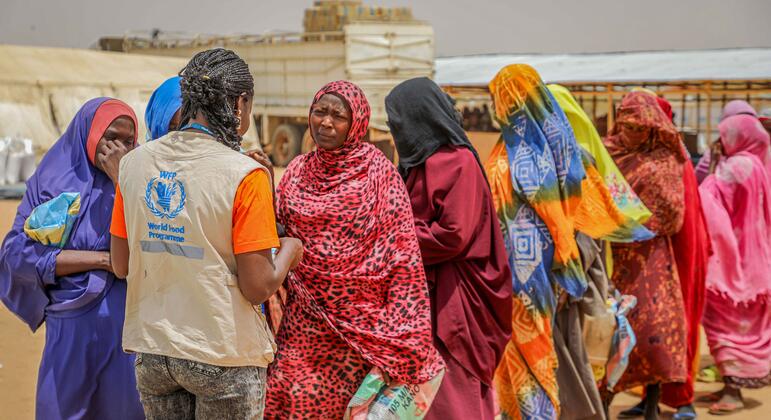
As the conflict in Sudan extends into its fourth year, United Nations agencies issued a stark warning on Thursday about the dire situation facing over one million Sudanese refugees in Chad. These individuals are confronting immediate and potentially fatal reductions in essential aid, including food, water, shelter, protection, and healthcare.
The United Nations High Commissioner for Refugees (UNHCR) and the World Food Programme (WFP) have announced they have less than half the necessary resources to meet the population’s needs, a shortfall that is already undermining access to life-saving assistance.
“Essential support for refugees in Chad will face further cuts in the coming months unless a funding deficit of $428 million — $289 million for UNHCR and $139 million for WFP — is addressed,” the two agencies stated in a joint warning.
At the forefront of the sudanese crisis
Positioned on the front line of the fallout from the Sudanese conflict, Chad now hosts 1.3 million refugees from Sudan, with over 900,000 having arrived since 2023. The influx means that one in every thirteen people in the country is a refugee, a ratio that rises to one in three in the eastern regions.
Despite the escalating pressure on its already scarce resources, the Chadian government has kept its borders open. Host communities continue to welcome new arrivals, including nearly 15,000 people since January 2026.
Only four in ten refugees receive basic aid
The consequences of this funding gap are already starkly visible on the ground.
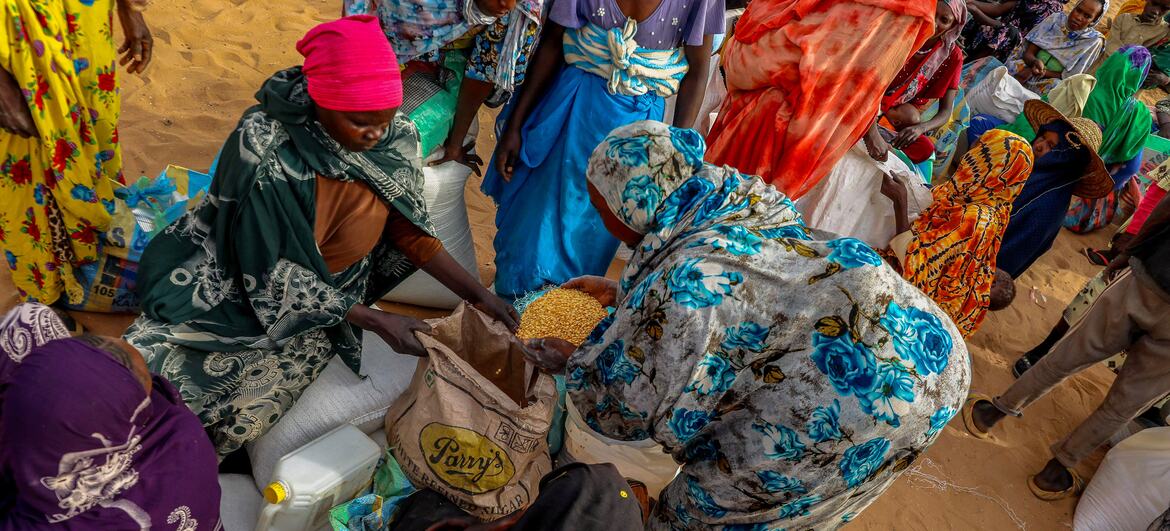
With current resources, UNHCR can only provide basic assistance to four out of every ten refugees, leaving hundreds of thousands with severely restricted access to water, shelter, and essential healthcare.
“What we are witnessing in eastern Chad demonstrates the human cost of funding shortfalls,” stated Patrice Ahouansou, the UNHCR Representative in Chad.
An estimated 80,000 families are currently without shelter. In some areas, refugees are forced to survive on less than half the minimum required daily amount of water. Health centers are overwhelmed, protection services—especially for survivors of sexual violence—are being scaled back, and educational facilities are saturated, with some classrooms holding over 100 students per teacher.
Furthermore, more than 243,000 people remain stranded in eastern border areas due to a lack of funds to relocate them to safer sites inland. These families are sleeping in the open or in makeshift shelters, exposed to diseases, insecurity, and extreme weather conditions.
Life-saving aid already slashed
The funding shortage is having a direct impact on food assistance.
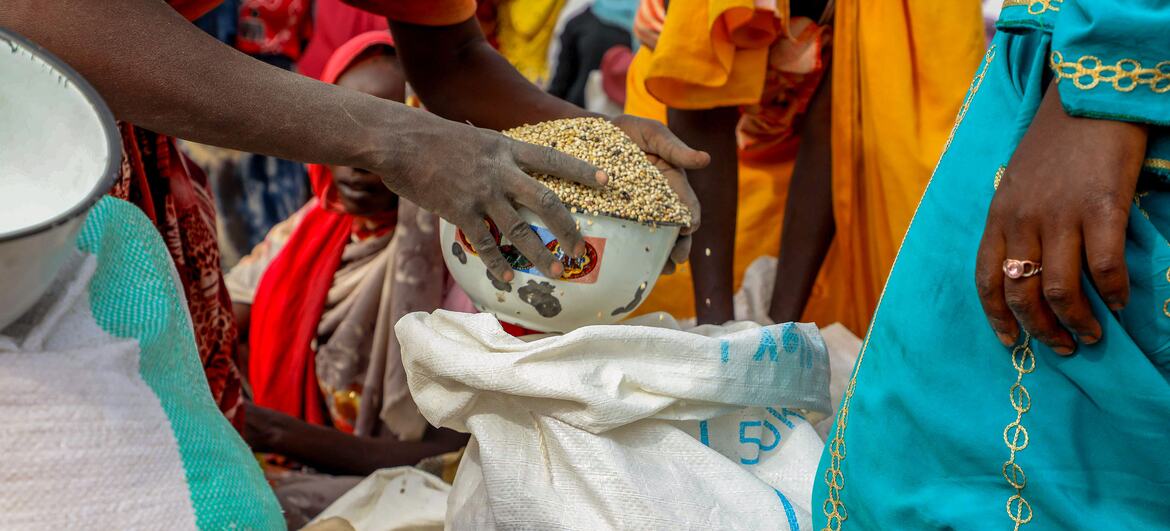
The World Food Programme (WFP), which supports over a million people in host areas, has less than half the resources it needs and has already been forced to cut rations by 50% for the majority of refugees.
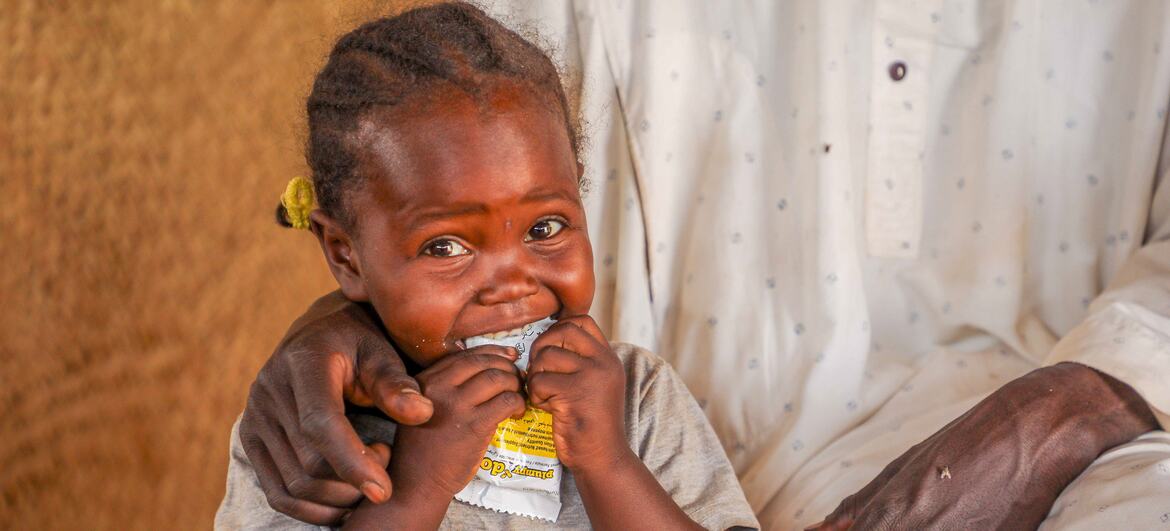
“Women and young children bear the disproportionate and immediate consequences, as nutritional support for new arrivals is under immense pressure,” the agency noted.
While investments are being made in sustainable solutions like resilience, inclusion, and social protection, emergency assistance remains a critical lifeline.
“With less than half the resources we need, we cannot provide sufficient food assistance to the most vulnerable,” said Sarah Gordon-Gibson, WFP Country Director and Representative in Chad. “This will force families to adopt devastating coping strategies that will endanger lives.”
An urgent appeal for international solidarity
The UN agencies warn that without immediate support, the situation is likely to deteriorate rapidly.
“We ended 2025 with only about one-third of the resources required to fully respond to the emergency… without urgent donor support, this year will be marked by deeper budget cuts, even more difficult living conditions, and increased suffering for families who have already fled war.”
While acknowledging the generosity of donors, UNHCR and WFP are calling for an urgent mobilization of funds for the next six months to sustain assistance.
“Chad’s continued openness must be met, right now, with an equitable sharing of international responsibility, before the situation deteriorates further.”