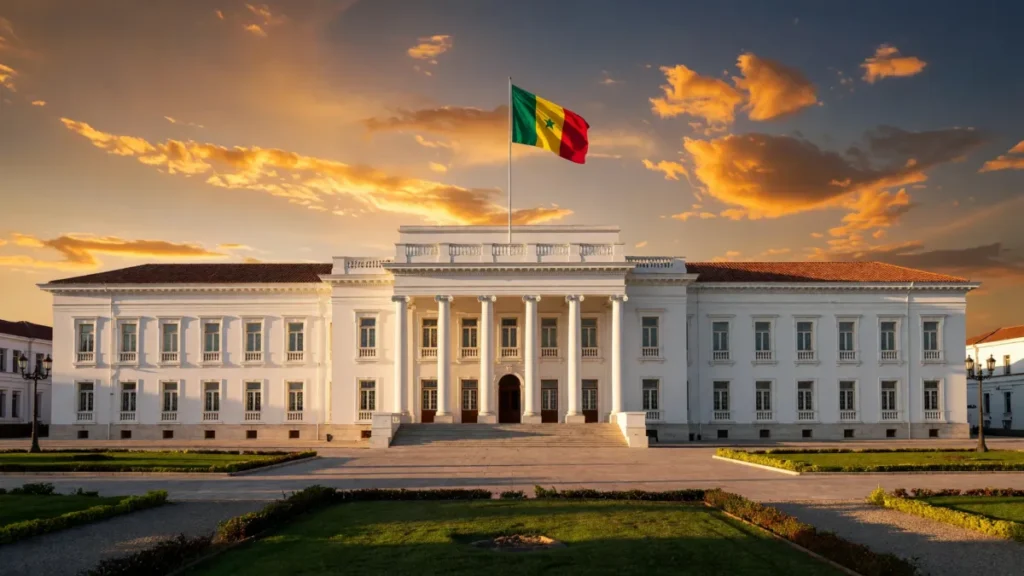
Senegal throws full diplomatic weight behind Macky Sall’s UN candidacy
Senegal has officially mobilized its diplomatic machinery to advance the candidacy of former President Macky Sall for the position of United Nations Secretary-General. The move was confirmed on July 20, 2026, just three days after an exchange between Sall and his successor, Bassirou Diomaye Faye, at the Presidential Palace in Dakar.
Diplomatic reversal amid political shifts
This endorsement represents a stark departure from Senegal’s position in late March 2026, when Dakar was among nearly two dozen African Union member states that declined to support Sall’s bid—then championed by Burundi under the AU’s rotating presidency. The July 17 meeting between Faye and Sall reportedly cleared the air, despite lingering tensions from the contentious 2024 election that marked the transition of power.
A crowded field for the top UN job
Macky Sall now faces three formidable rivals in the race to succeed António Guterres, whose term concludes on December 31, 2026. His competitors include former Chilean President and UN Human Rights Commissioner Michelle Bachelet, Rafael Grossi, Director-General of the International Atomic Energy Agency, and Rebecca Grynspan, Secretary-General of the United Nations Conference on Trade and Development.
The backing of Senegal provides Sall with a critical diplomatic advantage, leveraging the country’s extensive network of embassies and consulates worldwide. The Ministry of Foreign Affairs has confirmed that the entire government and its diplomatic missions abroad will actively promote his candidacy.
Political context in Senegal
This decision comes at a time when Senegal remains grappling with the aftermath of the 2024 transition. Bassirou Diomaye Faye, elected in March 2024 with the support of the Pastef party, had pledged to break from Sall’s governance. Yet unresolved issues—including demands for accountability from victims of repression under the previous regime—persist.
Observers suggest that Senegal’s endorsement of Sall may signal a commitment to stability and continuity. The move could also strengthen Faye’s efforts to build a broader political coalition, transcending partisan divides.
As a nation of 18 million people and a founding member of regional blocs like ECOWAS, Senegal holds significant influence in West African diplomacy. Dakar’s support could sway undecided African capitals in Sall’s favor.
Regional lobbying intensifies
Following Dakar’s endorsement, Sall traveled to Banjul on July 17 to consult with Gambian President Adama Barrow. This regional tour reflects a broader strategy to secure backing from African heads of state ahead of the selection process at the UN Security Council, where permanent members hold veto power.
The outcome of the vote will hinge on Sall’s ability to rally a unified African consensus, particularly as competing candidates gain support from other regional blocs.