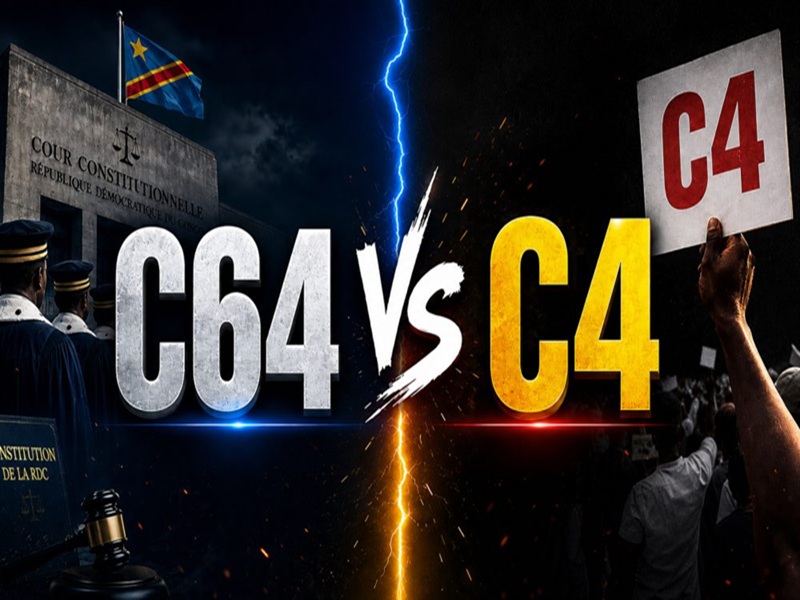

The political history of the République démocratique du Congo has frequently been defined by a repetitive and grim pattern. In the past, calls for civil disobedience often left Kinshasa paralyzed by tear gas, gunfire, and the looming threat of widespread looting. However, the “Ville morte” operation carried out on June 3, 2026, has shattered this cycle of violence. Moving beyond partisan divides, the reality of the day is undeniable: non-violence emerged victorious, marking a significant milestone in the maturation of our democracy.
A peaceful turning point for the nation
The final tally for the day was remarkable: zero fatalities, zero injuries, and not a single act of vandalism. This absence of chaos was not a matter of luck, but rather a reflection of two major shifts in the national landscape.
On one hand, it highlights the restraint and accountability of the current administration. State institutions successfully navigated the delicate balance of maintaining public order while respecting fundamental freedoms. On the other hand, it showcases a Congolais population that is no longer willing to be used as sacrificial fuel for political ambitions. Citizens demonstrated a clear-headed ability to weigh their grievances against the essential need for daily economic survival.
The coexistence of opposing freedoms
The most striking aspect of this day was the visible exercise of diverse liberties. Opposition figures such as Martin Fayulu and Moïse Katumbi were able to broadcast their calls for a citizen boycott freely, without their voices being suppressed by censorship. Simultaneously, the state, through a directive from the Vice-Prime Minister and Minister of Civil Service, Jean-Pierre Lihau, emphasized the necessity of maintaining public services. The result was a living, pluralistic democracy in action.
While some chose to stay home in a quiet show of protest, others went about their business without interference. A powerful symbol of this newfound tolerance was the normal operation of Faden House, an establishment closely associated with a major opposition leader. This proves that Kinshasa has moved past the era of petty political retaliation. Those who wished to express themselves through absence did so, while those who chose to work were equally respected. Storefronts remained untouched, and the rights of every individual were upheld.
In a true democracy, success is not measured by the number of closed shutters or burning tires. Instead, it is found in a system’s capacity to host disagreement without descending into turmoil. By protecting everyone’s safety while allowing both the right to protest and the right to work, the RDC has shown it is no longer a playground for instability. It is a nation rising through mutual respect and civil debate.
While political rhetoric may fade, these tangible facts remain. Without unnecessary triumph, but with a sense of earned pride, the message is clear: long live democracy!