From raw exports to industrial powerhouse: the economic transformation behind Benin’s 8.2% milestone
Benin’s economy has reached a pivotal moment in 2026, with real GDP growth hitting 8.2% in the first half of the year—a figure confirmed by international assessments. This exceptional performance is not merely a statistical achievement; it reflects deep structural changes reshaping the lives of citizens, the viability of businesses, and the nation’s long-term economic trajectory. The shift from exporting unprocessed commodities to building a diversified industrial base is beginning to yield tangible dividends across the country, from urban centers to rural communities.
Why industrialization is changing the game for Benin’s economy
At its core, Benin’s growth surge is driven by a deliberate national strategy aimed at retaining more economic value within its borders. Instead of shipping raw cotton, cashews, or minerals abroad at lower prices, the country is investing in processing, manufacturing, and adding value locally. This transformation is being led by government initiatives to modernize infrastructure, streamline business regulations, and foster private-sector participation in high-value industries.
The results are already visible in key sectors:
- Local job creation: New factories and agro-processing units are opening across southern and central regions, offering stable employment to thousands—especially women and young adults—previously engaged in informal or seasonal labor.
- Higher household incomes: Workers in industrial zones report significant increases in monthly earnings, contributing to rising purchasing power and demand for goods and services in local markets.
- Stronger smallholder resilience: Farmers supplying raw materials to processing plants now receive higher, more predictable prices, reducing vulnerability to global price swings.
The GDIZ zone: a flagship project powering industrial change
The Glo-Djigbé Industrial Zone (GDIZ) stands as a symbol of Benin’s industrial ambitions. Spanning thousands of hectares near the port city of Cotonou, this integrated hub is designed to serve as a gateway for transforming domestic raw materials—particularly cotton—into finished or semi-finished goods. By clustering factories, logistics facilities, and training centers, GDIZ reduces costs, accelerates trade, and cultivates a skilled workforce aligned with global manufacturing standards.
The zone’s impact extends beyond production: it acts as a magnet for foreign and domestic investment, stimulates supplier networks in surrounding communities, and enhances Benin’s reputation as a serious player in international trade.
Targeting global markets: a new export strategy for Benin
With industrial capacity expanding, Benin is no longer content exporting just raw goods. The government is actively positioning domestically manufactured products—ranging from textiles and processed foods to light machinery—into competitive markets across Europe, China, and the United States. Early reports indicate growing demand for Beninese agro-industrial goods, especially in niche segments like organic cashew products and sustainably sourced cotton fabrics.
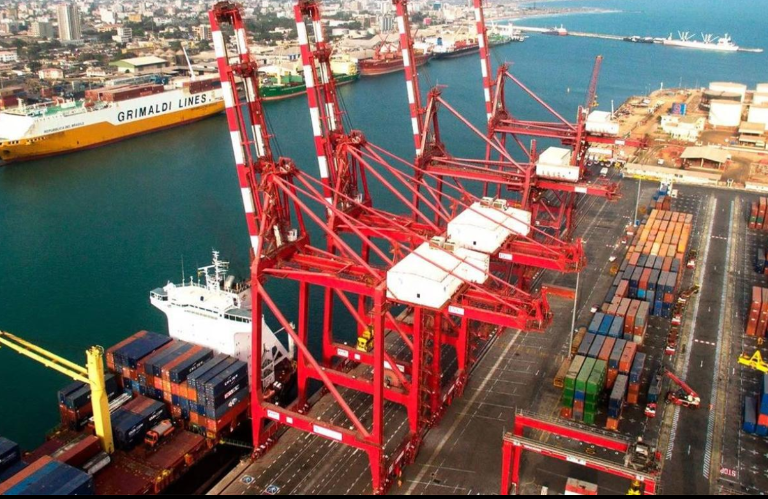
To meet international standards, Benin is upgrading its port infrastructure, customs efficiency, and certification processes. These efforts are critical not only for accessing high-value markets but also for securing better trade terms and higher margins for local producers.
Hidden challenges behind the growth numbers
Despite the positive outlook, persistent risks threaten to derail the momentum. Global commodity prices remain volatile, affecting export earnings and input costs for local manufacturers. Regional security concerns in neighboring countries also pose indirect risks to trade routes and investor confidence. Meanwhile, climate-related events such as erratic rainfall and flooding continue to disrupt agricultural output—an essential backbone of the industrial supply chain.
To counter these threats, Benin is focusing on diversifying its economic base, strengthening vocational training programs, and building emergency reserves to cushion external shocks. The sustainability of the 8.2% growth will depend on maintaining this balanced approach—pursuing industrial expansion without neglecting resilience.
What’s next: turning economic growth into lasting prosperity
Benin’s 8.2% growth in 2026 marks a transformative phase, but the ultimate test lies in converting this momentum into inclusive and sustainable development. The next phase of the industrialization drive must ensure that benefits reach every region and demographic—especially women, rural youth, and micro-entrepreneurs. Continued investment in education, digital infrastructure, and green energy will be essential to support a modern, competitive, and equitable economy.
As Benin positions itself as a rising industrial hub in West Africa, the world is watching not just the numbers—but the real human stories behind them: the factory worker earning a living wage, the farmer selling higher-quality cotton, the entrepreneur exporting quality goods to global buyers. These are the true consequences—and possibilities—of Benin’s economic comeback.