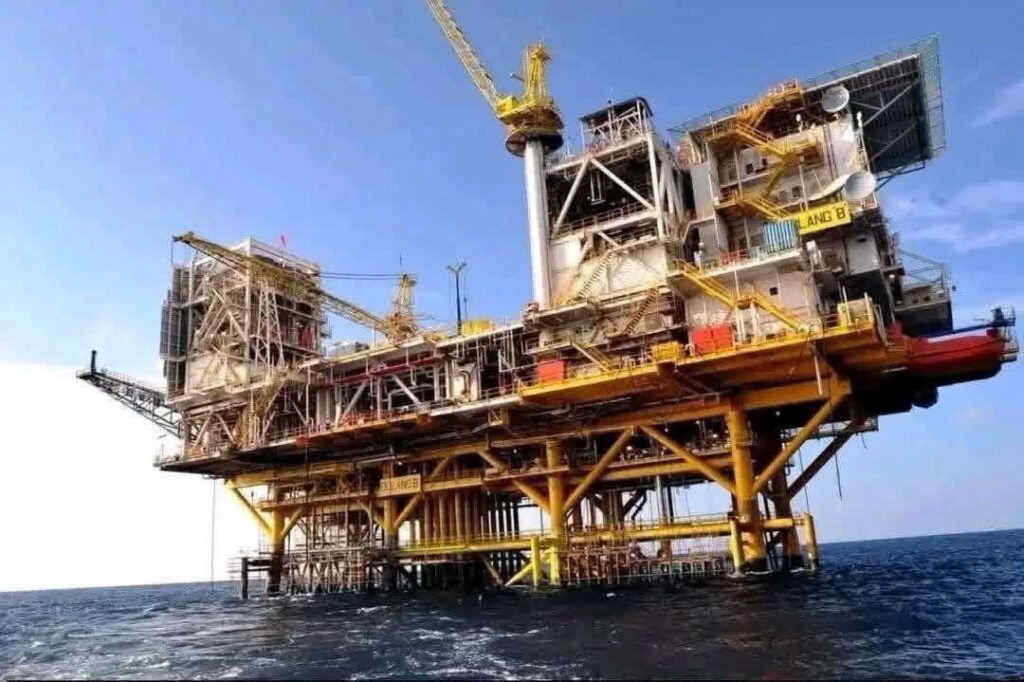
The first cargo in decades: Sèmè field’s return to global markets
After nearly three decades of dormancy, Benin has successfully resumed crude oil exports. A historic shipment of approximately 330,000 barrels from the offshore Sèmè field has been dispatched to Europe, marking the country’s re-entry into the international oil trade. The tanker Kriti Jade, carrying the crude, is en route to Rotterdam, with an estimated arrival date of November 18, 2026.
From abandonment to revival: a troubled history
The decades-long pause in Sèmè field operations came after its initial production phase between 1982 and 1998, which ended due to technical limitations, declining output, and unfavorable market conditions. For 30 years, the resource lay fallow, depriving Benin of potential revenue and economic leverage. The recent revival required substantial investment, technical assessments, drilling initiatives, and specialized expertise. Under the leadership of Akrake Petroleum Benin, production resumed in early 2026, transitioning from site rehabilitation to commercial distribution.
A catalyst for economic transformation?
Benin’s re-entry into oil production could reshape its economic landscape. Traditionally reliant on agriculture, port activities, trade, and services, the country now gains access to a new revenue stream. While the nation will not become a major oil producer, it stands to diversify its foreign exchange earnings through crude exports, reinforcing state finances and economic resilience.
The impact hinges on critical variables: output volumes, global oil prices, operational costs, and contractual frameworks governing state partnerships with operators. Without transparency in pricing, production sharing, and public revenue allocation, the full economic benefits remain unclear. Yet, even modest contributions could bolster Benin’s financial stability in an era of volatile energy markets.
Beyond petroleum: ripple effects across industries
The offshore project’s success could reverberate across multiple sectors. Maritime logistics, industrial maintenance, engineering, and transport services stand to benefit, along with niche opportunities in skilled employment and local capacity building. The project’s long-term viability depends on local content strategies that prioritize domestic contractors, technical training, and knowledge transfer to nurture a self-sustaining energy services sector.
For foreign investors, Benin’s ability to rejuvenate an aging field and deliver crude to global markets signals a maturing energy sector. This credibility, however, rests on regulatory consistency, governance quality, and operational continuity factors that will determine whether the project attracts sustained international interest.
Crude exports vs. domestic fuel needs: a crucial distinction
Benin’s oil recovery does not automatically translate to cheaper fuel at home. The Sèmè crude is a raw material targeted for export, not a refined product for domestic consumption. Absent a functioning refinery, the country will continue importing processed petroleum products to meet internal demand. This dual reality exporting raw crude while importing refined fuels is not contradictory but underscores the limits of the current model.
In the long run, assessing whether local refining could add value may be prudent. Such a move would require evaluating available volumes, crude quality, national demand, infrastructure costs, and profitability. The goal would be to retain more economic value within Benin, though the feasibility hinges on multiple technical and economic variables.
The sustainability challenge: balancing prosperity with responsibility
The road ahead demands addressing critical challenges. Maintaining offshore production necessitates continuous investment, rigorous technical oversight, and stringent environmental safeguards to protect marine ecosystems. The field’s ability to sustain viable output measured by extraction volumes, shipment frequency, operational costs, and reserve depletion rates will ultimately define the project’s success.
Equally vital is the management of public revenues. To prevent oil wealth from serving as mere export income, revenues must fund productive investments in infrastructure, education, healthcare, and energy access. Transparent reporting on production metrics and revenue flows will be essential, empowering citizens to gauge the project’s tangible benefits.
For Benin, the return of Sèmè field to global markets represents a pivotal moment. It is not merely about shipping 330,000 barrels to Rotterdam; it symbolizes the revival of a long-dormant economic asset. The true test lies in translating this resource into sustainable wealth, jobs, skills, and inclusive growth ensuring that Benin’s oil renaissance delivers lasting value for its people.
By Emmanuel Mbarga — Journalist