
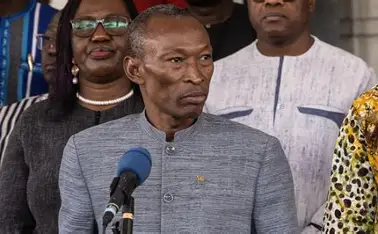
A former head of government blocked at the border
Apollinaire Kyélem de Tambèla, who served as Burkina Faso’s prime minister, has been prohibited from leaving the national territory. The order came from the authorities led by Captain Ibrahim Traoré.
The restriction adds another chapter to the tightening grip the transitional government has placed on selected political and public figures. Appointed to the premiership by Traoré in October 2022, Kyélem de Tambèla steered the Burkinabè government until he left office in December 2024.
Because the measure now applies to a man who no longer sits in the government, it raises a pointed question: what reasons do the authorities consider weighty enough to justify curbing his movements today?
An exit ban that tests public freedoms
Beyond the personal fate of the former prime minister, the case casts a direct light on the state of civil liberties in Burkina Faso. A travel ban is a serious instrument, and when it targets someone who has held the highest offices of the state, it deserves a clear and transparent explanation.
The broader climate makes the decision all the more delicate. Since Traoré took power, the Burkinabè authorities have invoked the fight against terrorism, the defence of sovereignty and the need to thwart destabilisation attempts to justify a series of exceptional measures. While still in office, Kyélem himself had publicly spoken of several attempts targeting the transition.
Security arguments and unanswered questions
Yet the security rationale does not settle every doubt. Should a restriction on freedom be time-limited? What legal basis supports it? Who ordered it? And what precise charges or grounds are being levelled against the former prime minister?
Burkinabè law sets out the conditions under which citizens may leave the country. The crux of the matter is therefore which exact legal framework was used to impose the measure on Kyélem de Tambèla.
The affair now reaches well past the career of one former prime minister. It poses a wider question about the nature of transitional power: how far can it go in the name of national security without further eroding individual freedoms?
A politically charged decision in Ouagadougou
For Ibrahim Traoré, the move risks fuelling the debate over the shrinking political space in Burkina Faso. Preventing a former government figure from leaving the country is never a politically neutral act.
In Ouagadougou, the Kyélem de Tambèla case could thus become a fresh marker of the relationship between security, political control and public liberties under military rule.

More Stories
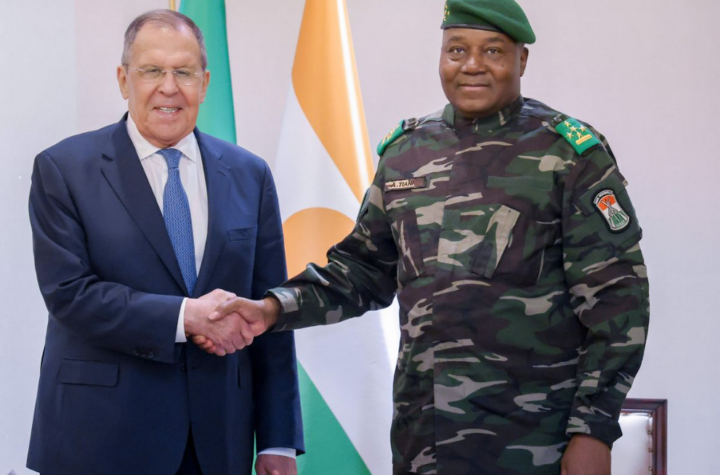
Niger : la rue de Niamey se soulève après des tirs russes contre l’armée nationale
Cameroun : Yaoundé mobilise 432 millions USD pour racheter Société Générale Cameroun
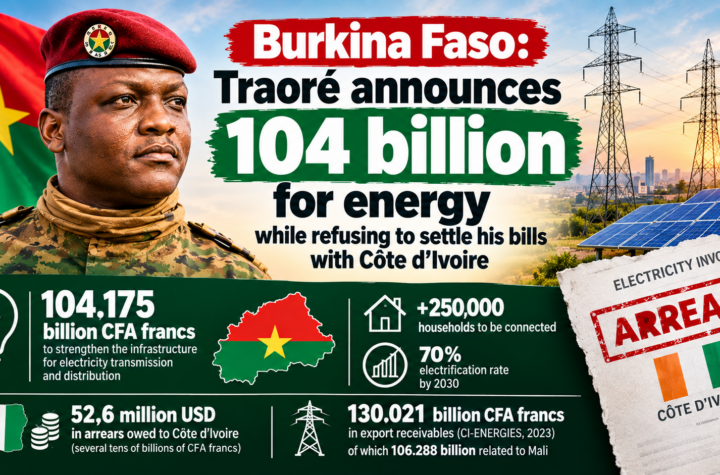
Burkina Faso: Traoré pledges 104 billion CFA francs for energy while outstanding bills to Côte d’Ivoire remain unpaid