
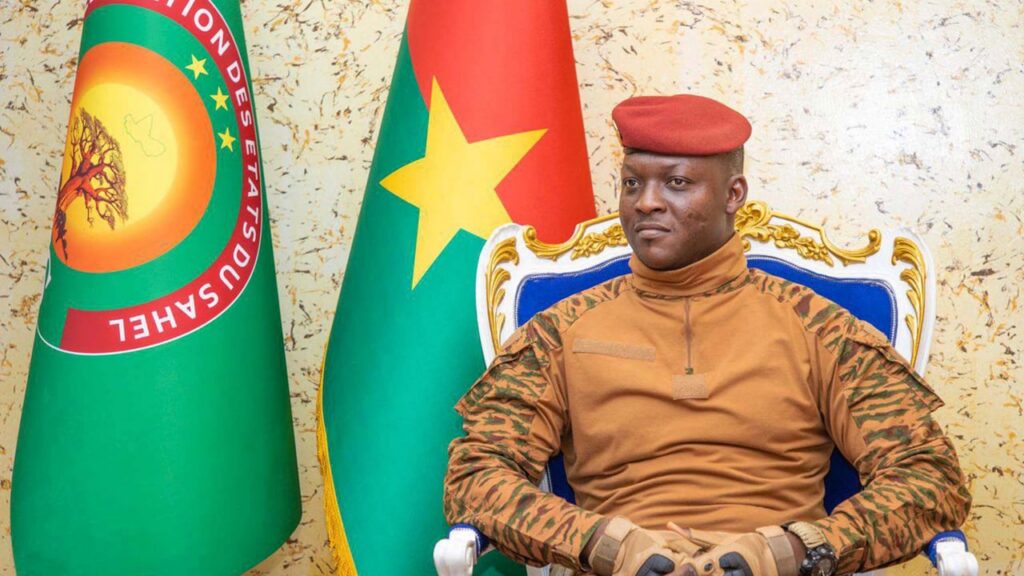

Allegations of a coordinated digital campaign against media professionals
Reporters Without Borders (RSF) has leveled serious accusations against Burkina Faso’s transitional leader, Captain Ibrahim Traoré, accusing him of orchestrating a cyber-militia specifically designed to harass and intimidate journalists operating in the country.
How the digital militia operates
According to the watchdog organization, this alleged network employs sophisticated online tactics to systematically target media workers. The campaign reportedly involves coordinated disinformation, anonymous smear campaigns, and systematic surveillance of journalists and their sources.
These methods are said to have intensified in recent months, coinciding with a broader crackdown on press freedom across the Sahel region. The accusations suggest a deliberate strategy to suppress critical reporting and control the narrative surrounding Burkina Faso’s political and security landscape.
Impact on independent journalism
The alleged digital militia’s actions have reportedly created a climate of fear among journalists, forcing many to self-censor or abandon investigative work altogether. Local reporters describe a growing sense of vulnerability, with some facing relentless online harassment, doxxing, and even threats of physical harm.
International response and calls for accountability
RSF has urged the international community to take note of these developments, emphasizing that such tactics represent a grave violation of press freedom and human rights. The organization is calling for urgent intervention to protect journalists and hold those responsible accountable for their actions.
The accusations against Captain Ibrahim Traoré come at a time when Burkina Faso is grappling with multiple security crises, adding another layer of complexity to the country’s already fragile democratic institutions.


More Stories
Gabon : Force ouvre sa rentrée associative à Akanda sur des propositions citoyennes
JOJ Dakar 2026 : Diomaye Faye appelle la jeunesse sénégalaise à incarner l’Afrique
Mali: attaque meurtrière contre le camp militaire de Dioura, un lourd tribut payé par l’armée