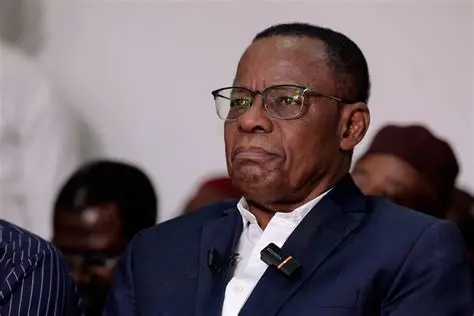
Maurice Kamto, leader of Cameroon’s Movement for the Renaissance of Cameroon (MRC), has escalated his legal battle against the government’s decision to extend the terms of municipal councillors. The move follows a presidential decree issued on May 4, 2026, which Kamto argues violates constitutional principles and undermines democratic governance.
Legal challenges against executive overreach
The opposition figure points to a recent law passed in April 2026 that grants the president the authority to extend municipal mandates beyond the previously established 18-month limit. Kamto contends that this law lacks any provision for retroactive application, yet the decree was applied to extend mandates retroactively to February 27, 2026. This, he asserts, breaches the constitutional principle of non-retroactivity, which prohibits laws from applying to past events.
Kamto’s legal argument hinges on the claim that the executive branch has overstepped its constitutional boundaries by encroaching on legislative authority. He highlights that the original electoral code, under Article 170, had strictly capped mandate extensions. The recent legislative change, he argues, was implemented without adequate justification or adherence to democratic norms.
Constitutional Council as the next battleground
In response, Kamto has announced his intention to petition the Constitutional Council, urging it to rule on the decree’s legality. He maintains that as of June 1, 2026, municipal councils across Cameroon are legally vacant, and local executives must acknowledge this void. His position calls on these officials to take legal and administrative steps to address the situation, including the organization of fresh municipal elections.
The opposition leader’s move raises questions about the effectiveness of such legal challenges in Cameroon’s political landscape. Historically, the Constitutional Council has often dismissed petitions on procedural grounds, leaving such disputes unresolved. Whether this case will meet a different fate remains uncertain.