Chad: the spectacle of ashes, the art of governing through chaos
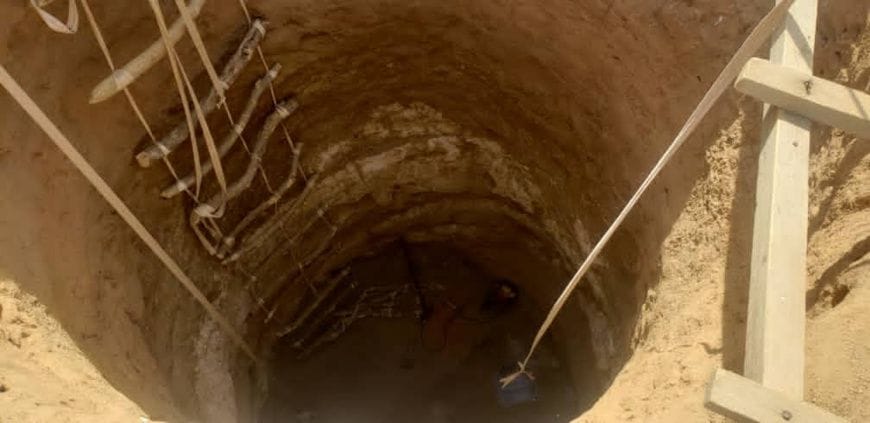
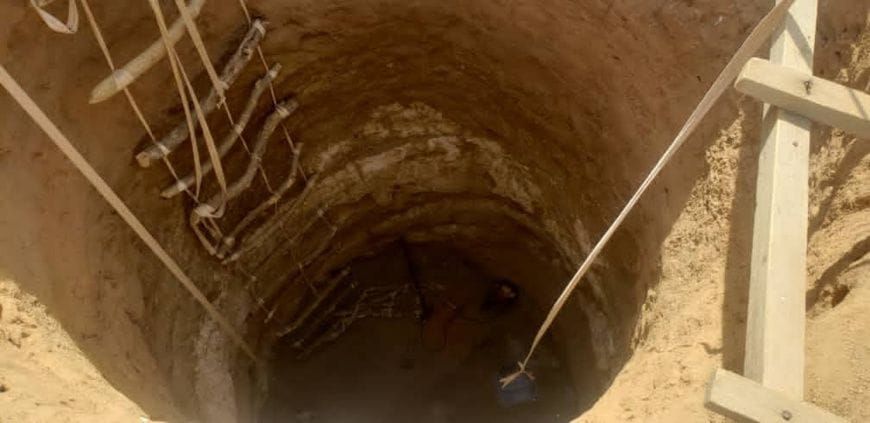
Dying for a well in the 21st century is neither divine fate nor ancestral tradition—it’s the direct outcome of a deliberately maintained institutional void.
For 36 years, the script has remained unchanged. Scenery shifts, saviors parade in and out—father to son—but the blood spilled daily retains the same hue: failure. Here, intercommunal strife isn’t resolved; it’s staged. The roar of aircraft engines and dust-choked village processions blind victims far more effectively than independent justice ever could. This is the anatomy of a systematically engineered collapse.
The displacement charade, the ground-level tragedy
When a conflict erupts over a well or grazing land, the State’s response follows a rigid choreography: high-profile delegations, grand mediations, and paternalistic speeches. Yet once the dust from the 4×4 convoys settles, nothing remains. That’s the crux of the issue. This spectacle is costly. A single presidential visit’s budget or a flashy peacekeeping mission could fund thousands of modern wells, turning scarce resources into shared assets. But building lasting infrastructure erodes the excuse for perpetual intervention. By starving institutions, the need for a savior is perpetuated.
Shattered institutions, a justice on life support
Elsewhere, heads of state don’t abandon their palaces for petty neighborly disputes—not out of disdain, but because the nation functions. In Chad, politics has systematically emasculated justice. An independent judiciary threatens those who rule by arbitrariness. By denying courts the power to adjudicate fairly, the State forces citizens to take justice into their own hands. Dying for a well in the 21st century is neither divine fate nor ancestral tradition—it’s the direct consequence of an institutional void deliberately preserved. Political failure here is absolute: it chooses crisis management over nation-building.