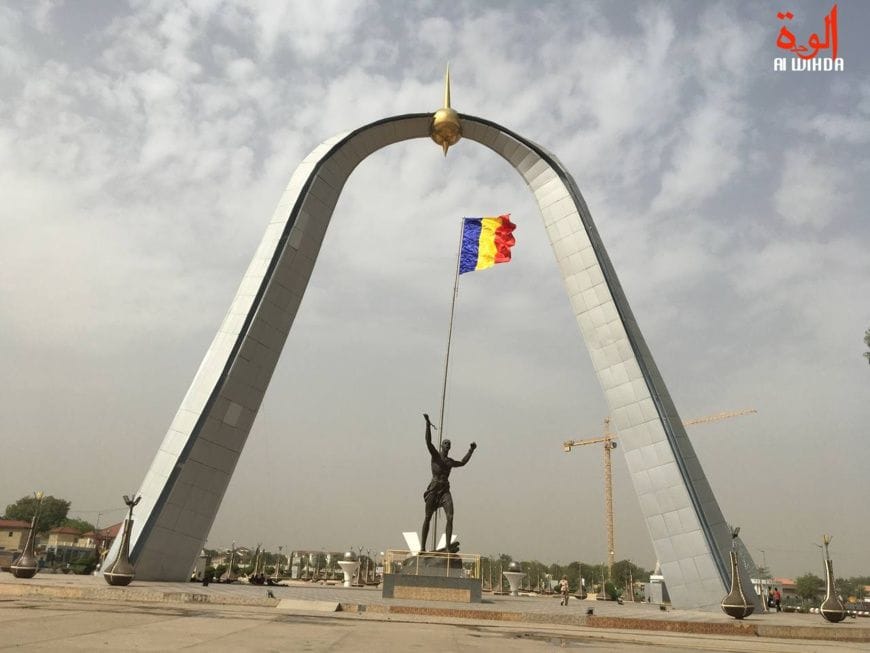
Chad: governance under scrutiny as leaders invoke divine will
Does divine will truly sanction the plunder of national resources in its honor?
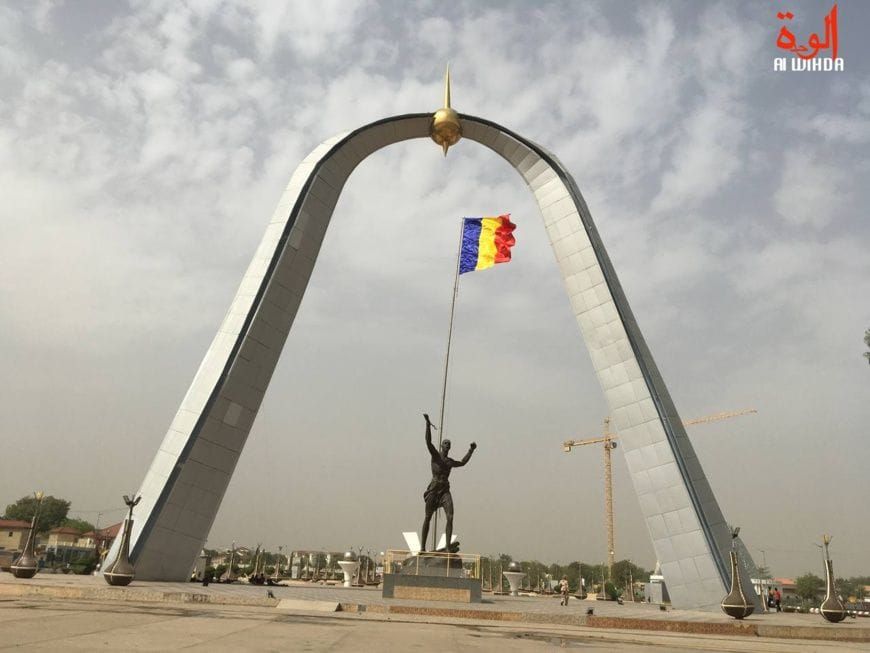
Recent pronouncements from Chad’s head of state, attributing governmental missteps to Allah and invoking divine fear to control the populace, while speaking of sincerity and the ephemeral nature of earthly life, strike many as a provocation amidst the daily struggles of citizens.
In Chad, faith and spirituality serve as crucial pillars of resilience for Chadians grappling with a challenging political environment. However, when these profound beliefs are exploited to mask profound systemic failures in governance, the economy, and institutions, it becomes essential for any thoughtful individual to remind political leaders that effective governance is not founded on divine decree. This consistent reliance on religious rhetoric cannot obscure a record of disastrous public management.
Sincerity and justice, fundamental sacred principles, manifest in politics through an unwavering respect for the popular will. Yet, the electoral charade of the May 2024 presidential election irrevocably shattered public trust. Legitimate protests, disputed official figures, and independent observer reports consistently highlighted a flawed process designed to consolidate power. This was tragically compounded by the deaths that followed, ironically in the name of celebrating a victory widely perceived as stolen.
For any discourse on divine truth to resonate, it must be underpinned by absolute transparency in electoral management. The organization of upcoming legislative and local elections will serve as a critical litmus test. Without a complete overhaul of the electoral management body and the publication of results precinct by precinct, the democratic transition risks remaining a mere theoretical illusion.
The 2024 electoral deception has created a profound crisis of confidence. The Chadian people demand a complete revision of the electoral roll and a reconstitution of the National Agency for Electoral Management (ANGE) for future legislative elections, if the head of state truly values truth.
State nepotism versus republican equity
The fear of divine laws condemns favoritism, theft, and inequity. Nevertheless, the current regime in Chad is characterized by an alarming concentration of appointments within high-ranking state positions, financial regulatory bodies, and security forces, all based on rampant nepotism. Technical competencies are systematically sacrificed at the altar of regional, clan, or family affiliations. The republican principle of merit is trampled upon. Young graduates without influential networks find themselves condemned to unemployment, while key positions in public administration, where oil and customs revenues are managed, are distributed as sinecures to close relatives of the head of state’s family. This palpable social injustice fuels widespread frustration and destabilizes the nation.
Infrastructure collapse: a managerial shipwreck
To present daily hardships as mere spiritual trials is an act of political cynicism. Chad is enduring a generalized collapse of its basic services, a situation attributable not to divine fate, but entirely to managerial incompetence.
The energy ordeal is certainly not an act of Allah. In N’Djamena, access to electricity has become an unattainable luxury. The recent fire at the power plant this week promises to make reliable power an even more elusive quest. Massive load shedding cripples hospitals and businesses alike.
Similarly, the water crisis plaguing Abéché, Sarh, and Moundou cannot be an ordeal imposed by Allah, who, if truly our creator, has blessed Chad with vast water reserves. Yet, access to potable water remains a daily struggle for households because incompetence holds the reins of power.
Oil and gold revenues are systematically diverted for the benefit of a select minority, at the expense of crucial structural investments. Can it truly be Allah who dictates the plundering of a nation’s resources to be honored in such a manner?
The aspirations of the Chadian population extend beyond moral reminders or empty promises. They demand credible institutions, functional public services, and inclusive governance. Only through the tangible, measurable, and positive transformation of the daily lives of Chadians can the sincerity of its leaders truly be judged.

More Stories
Can Sadio Mané really beat Ousmane Sonko in Bambali in 2029?
Senegal’s local elections: will Bassirou Diomaye Faye’s secrecy backfire?
Can Alain-Georges Moukoko’s green justice background redefine Libreville’s prosecutor’s office?