N’Djamena faces a mounting plastic waste crisis
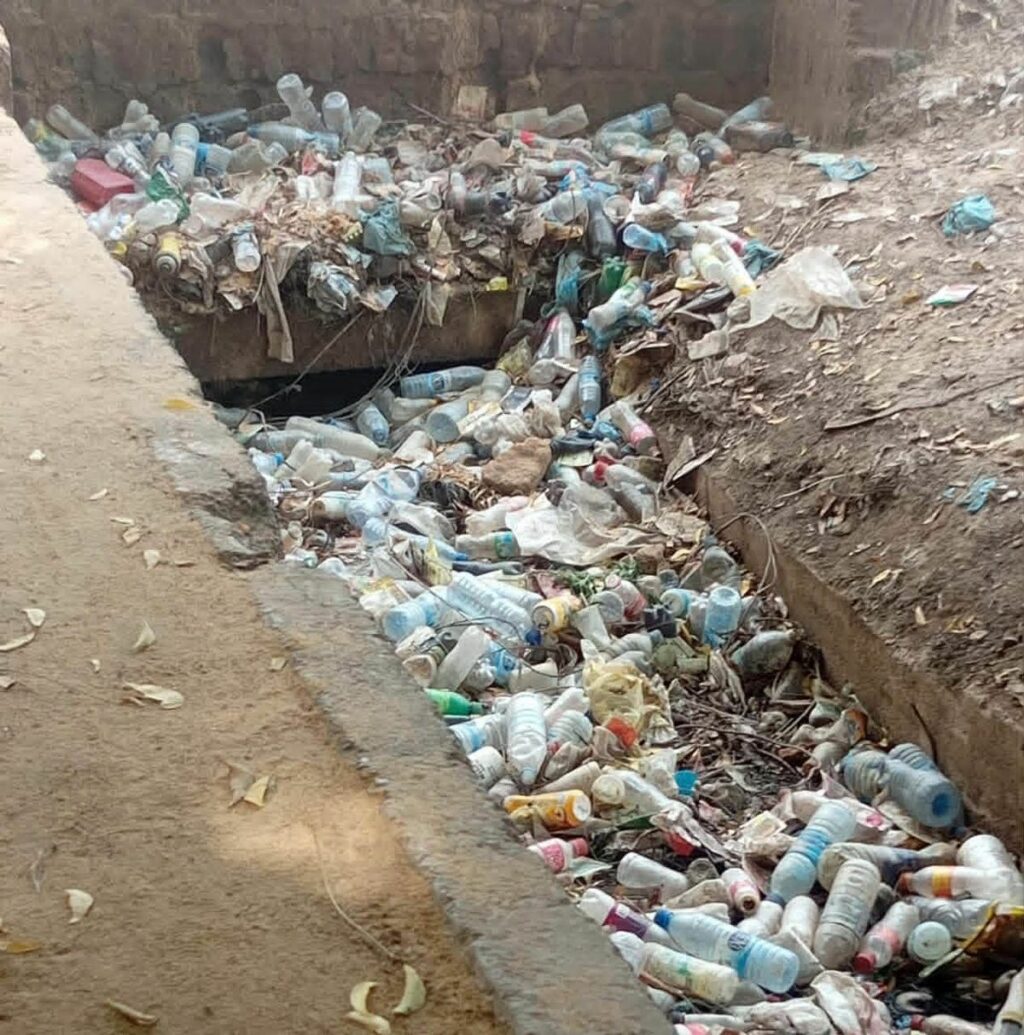
The capital city of Chad generates nearly 20,000 tonnes of plastic waste annually, with each resident discarding an average of four to five plastic items every day. Yet, despite this staggering volume, recycling remains in its infancy. Most of these plastics end up littering streets, clogging drainage systems, or accumulating in open dumps, where they pose serious health and environmental risks.
The plastic epidemic in N’Djamena is not just an eyesore—it disrupts daily life, especially during the rainy season. Flooding in several neighborhoods is exacerbated by plastic waste blocking gutters, while wind carries discarded sachets into waterways, threatening aquatic ecosystems and wildlife. With degradation times spanning centuries, these plastics leave a lasting scar on the environment, turning what was once a convenience into a long-term burden.
Why recycling lags behind in Chad
Several structural and systemic challenges hinder the development of a robust recycling industry in Chad. The most pressing issue is the lack of an organized waste collection system. In most neighborhoods, household waste—including plastics, organic matter, metals, and glass—is indiscriminately mixed and dumped in the same sites or left to rot in public spaces. Without source separation, the potential for recovering valuable materials is severely limited.
The absence of dedicated recycling infrastructure further compounds the problem. Chad currently has very few facilities capable of processing plastic waste into reusable materials. Existing initiatives are primarily driven by private entrepreneurs or grassroots associations, but they struggle with insufficient funding, outdated equipment, and limited market access. As a result, the majority of plastic waste either ends up in uncontrolled landfills or is incinerated, releasing toxic fumes that endanger public health.
The informal sector plays a crucial, though underappreciated, role in plastic recovery. Hundreds of women and young people earn a living by collecting and selling recyclable plastics. While their efforts help mitigate some of the pollution, their work is unregulated, lacks social protections, and exposes them to harsh conditions. These informal recyclers remain largely excluded from formal waste management policies, missing out on opportunities for integration and support.
Chad’s plastic waste: a missed economic opportunity
In many African nations, plastic waste has evolved from a problem into an economic resource. Recycled plastics are transformed into paving stones, furniture, pipes, handicrafts, and construction materials, creating jobs and fostering local entrepreneurship. Yet in Chad, this potential remains largely untapped due to a lack of investment, technical support, and fiscal incentives for businesses entering the recycling sector.
The absence of a circular economy framework means that plastic waste is rarely perceived as a valuable commodity. Instead, it is treated as a disposable nuisance. This mindset not only perpetuates environmental degradation but also overlooks a significant economic asset that could generate income, support small businesses, and improve urban living conditions.
Education and policy: the missing links
Public awareness about the dangers of plastic waste remains alarmingly low. Many residents are unaware of how improper disposal contributes to flooding, soil degradation, and water contamination. Local authorities have launched cleanliness campaigns and appealed to citizens’ sense of responsibility, but these efforts are piecemeal without a comprehensive national strategy. A successful approach must include mandatory waste sorting, stronger local governance, financial incentives for recycling businesses, and incentives for manufacturers to reduce single-use plastic packaging.
International partners and development agencies could play a pivotal role by providing technical expertise, funding, and capacity-building support. Investing in Chad’s recycling industry isn’t just about protecting the environment—it’s about fostering sustainable development, creating thousands of jobs for youth, and building resilient urban communities. The transformation of plastic waste into a resource requires political will, smart investments, and a shift in public behavior.
For Chad, recycling is no longer just an environmental issue—it’s a matter of public health, economic growth, and urban resilience. The country now stands at a crossroads: continue treating plastic waste as a burden, or embrace it as an opportunity to build a cleaner, greener, and more prosperous future.



More Stories
Can Côte d’Ivoire preserve the economic memory of Abdoulaye Koné after his death at 91?
Will Gabon’s new EU fisheries deal finally put national interests first?
Côte d’Ivoire’s coffee and cocoa sector prepares for new campaign with crucial price announcements