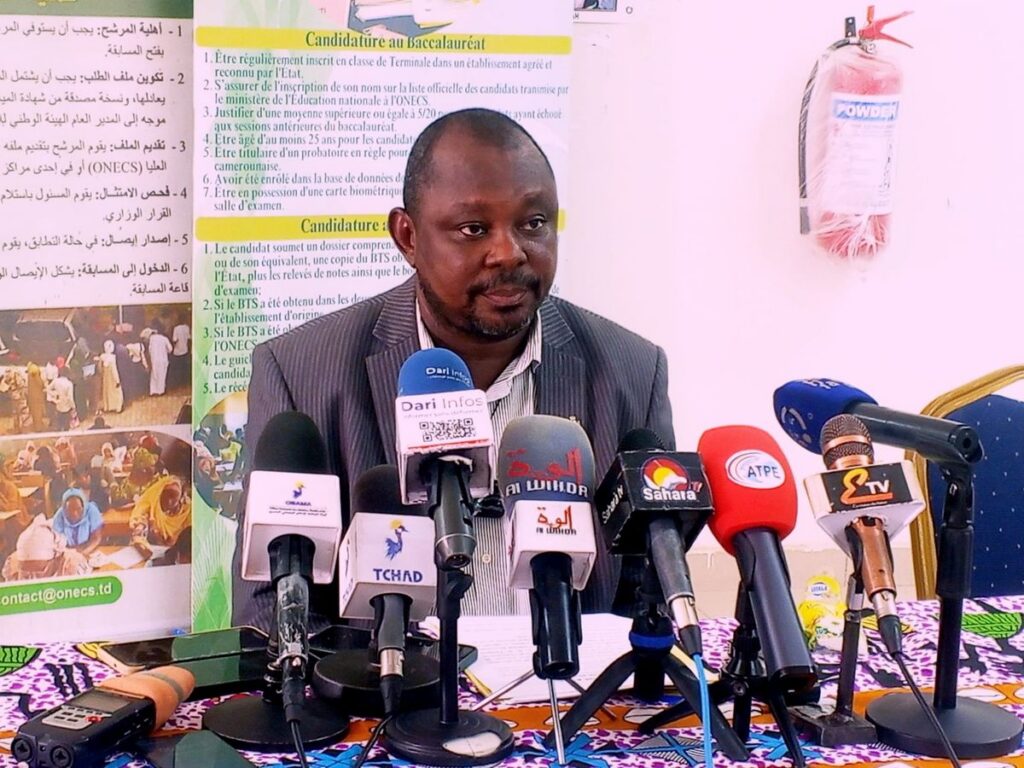
As the written phase of the June 2026 baccalaureate approaches, the organizational framework for this major academic milestone has been finalized. A total of 106,231 students are expected to take part in the examinations scheduled from June 8 to 13 across the country and at one international site. Rigorous measures have been implemented to maintain the integrity and prestige of the diploma.
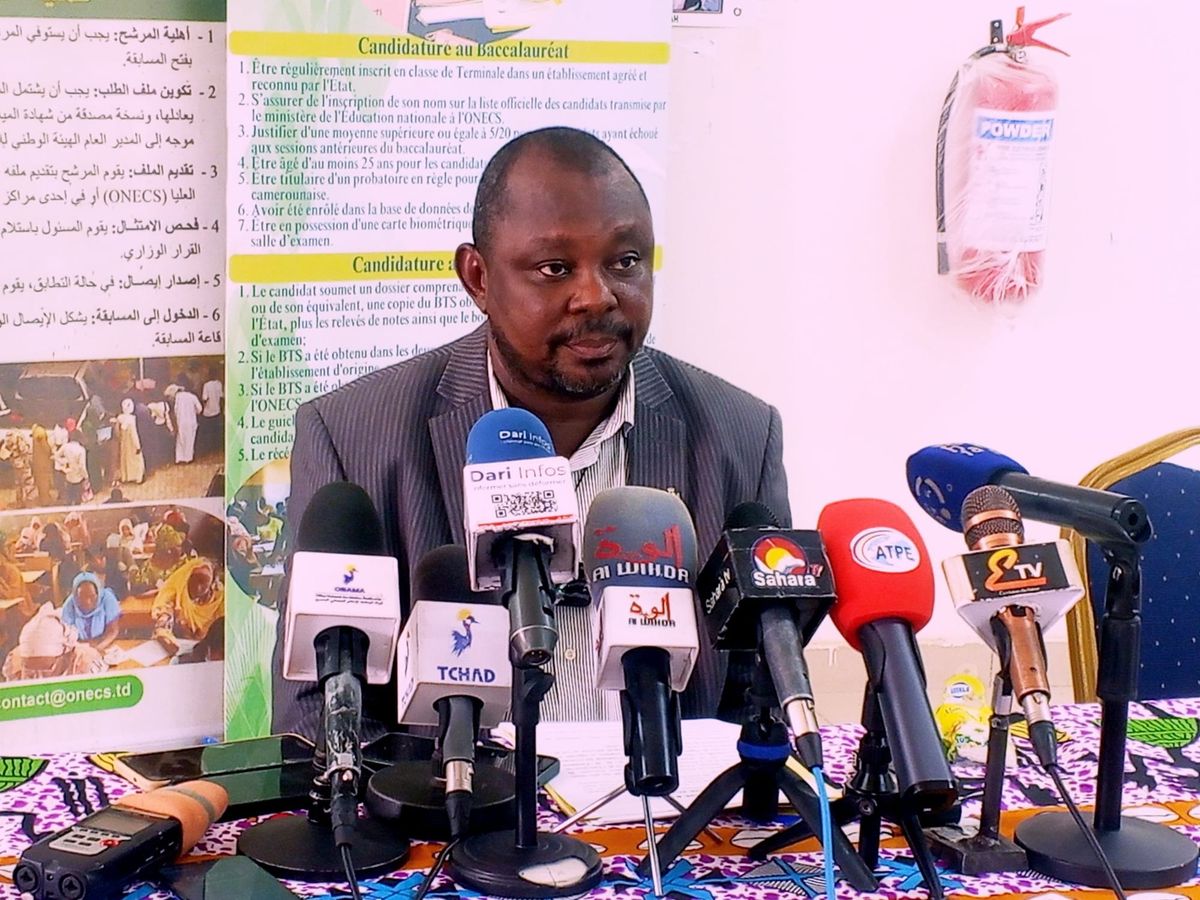
In the ABDERAHIM AKACHA hall of the ONECS headquarters in N’Djamena, the President of the Jury, Pr. Doumpa Mian Asmbaye, detailed the logistics for the general and technical secondary education exams. The preparation involved close collaboration between the Ministry of National Education, the Ministry of Higher Education, and the National Office for Examinations and Competitions.
Key statistics and demographic trends
The 2026 session sees a diverse group of candidates across literary, scientific, and technical streams. Out of the 106,231 registered individuals, 60,501 are boys (56.95%) and 45,730 are girls (43.05%). Additionally, 5,893 foreign students, accounting for 5.55% of the total, are participating this year.
A notable highlight is the slight rise in female enrollment compared to the previous session, moving from 45,536 to 45,730. This upward trend reflects a positive shift in societal support for girls’ education within Chad.
Geographic distribution and logistics
To facilitate the process, 160 examination centers have been established. These include 31 centers within the capital, N’Djamena, 128 distributed throughout the various provinces, and a special center located in Jeddah, Saudi Arabia. This network is designed to bring the examination closer to the candidates while streamlining security and administrative oversight.
Strict regulations for exam integrity
Maintaining the “police of the baccalaureate” is a top priority. Under Joint Decree No. 48 of May 6, 2026, the use or possession of mobile phones is strictly forbidden within the examination centers and classrooms. Any breach of these rules will result in immediate disciplinary action, including potential disqualification.
Supervisors have been instructed to enforce these guidelines strictly from the moment candidates enter the premises. The goal is to ensure a fair environment for every student sitting for the exam.
Success for this session relies on the collective effort of administrative and military authorities, parents, and educators. Pr. Doumpa Mian Asmbaye emphasized that the credibility of the Chadian baccalaureate depends on this shared commitment. As students prepare for this decisive step in their academic lives, the focus remains on discipline, sacrifice, and the pursuit of excellence.