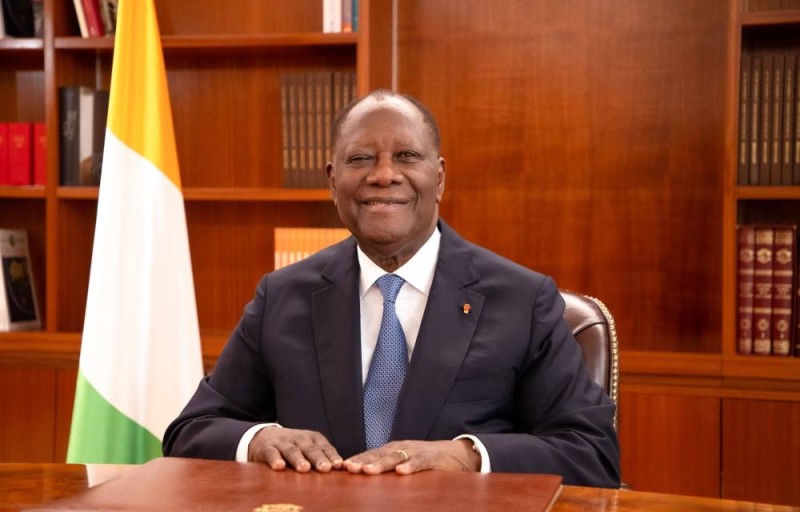
As Côte d’Ivoire prepares to mark its 66th year of independence on August 7, 2026, all eyes are on President Alassane Ouattara’s national address. This pivotal moment arrives amid pressing economic, social, and security challenges, with citizens demanding tangible improvements in their daily lives.
Economic pressures shaping national priorities
The rising cost of essential goods, housing, and services continues to strain household budgets. While international partners commend the country’s strong macroeconomic performance, most Ivoirians are more concerned with immediate financial relief. The President’s address must address these concerns directly, offering concrete solutions to ease the burden on families.
Youth employment: a defining challenge
Each year, thousands of young graduates enter the workforce, seeking stable, meaningful employment. Entrepreneurship support, vocational training, and private sector growth are among the most anticipated solutions. The President’s proposals in these areas will be closely scrutinized by both job seekers and investors.
Agriculture at the heart of economic resilience
As a cornerstone of Côte d’Ivoire’s economy, agriculture employs millions and drives exports. Farmers producing cocoa, coffee, rubber, cashew, and other cash crops face volatile global markets and limited access to financing. The President is expected to unveil measures to stabilize incomes, expand credit access, and enhance resilience against market fluctuations.
Infrastructure gaps: bridging urban and rural divides
Investments in roads, clean water, electricity, schools, and healthcare remain uneven across regions. Rural communities, in particular, await commitments to reduce disparities and ensure equitable development. The President’s infrastructure agenda will be a key indicator of the government’s commitment to inclusive growth.
Healthcare and education: foundations for progress
Strengthening the healthcare system and expanding universal health coverage are top priorities. Similarly, improving the quality of education and vocational training will be essential for building a skilled workforce. These sectors are critical for long-term social and economic stability.
Security and governance in a shifting landscape
In a region facing security threats, Côte d’Ivoire must consolidate peace, combat terrorism, and reinforce national cohesion. The President’s address will likely emphasize these priorities, along with anti-corruption efforts, administrative modernization, and digital transformation to enhance governance.
Investment and industrialization: fueling economic transformation
Economic actors are eager for policies that encourage foreign and domestic investment, industrialization, and job creation. The President’s vision for economic diversification and innovation will be a focal point of the discussion.
National unity and democratic resilience
With heightened expectations for political dialogue and reconciliation, the President’s message will be scrutinized for signs of unity and inclusivity. Sixty-six years after independence, Côte d’Ivoire stands at a crossroads—balancing economic ambition with the urgent need to translate growth into shared prosperity.
The nation’s future hinges on the President’s ability to address these expectations, turning promises into action for all Ivoirians.

More Stories
Nigeria farmer-herder violence: can North West Cameroon absorb another 600 refugees?
Mali: can Assimi Goïta’s security strategy survive its own military setbacks?
Can Marseille stop the bleeding after yet another loss to PSG?