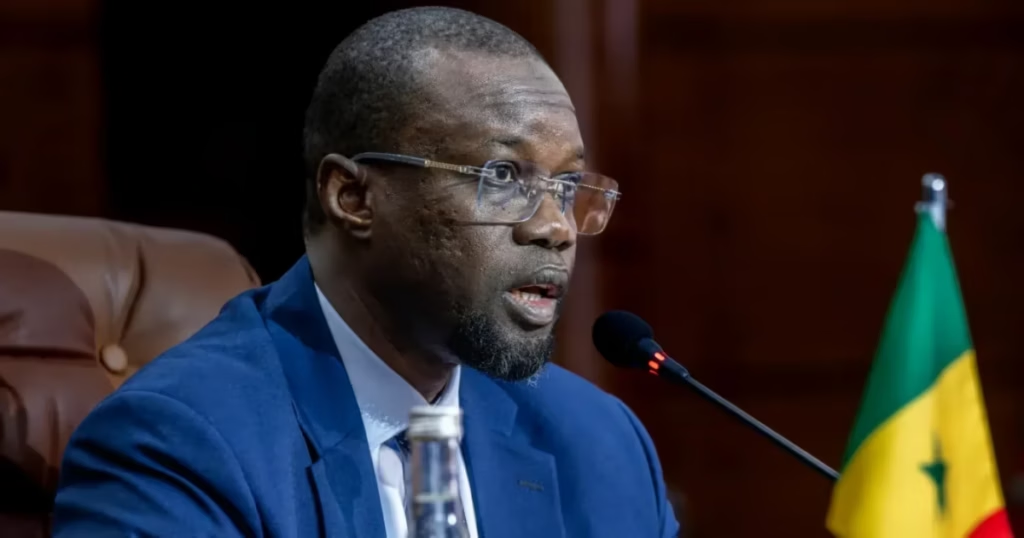
Senegal’s National Assembly is set to convene in a landmark extraordinary session, marking the start of the 2026-2027 legislative year. The Bureau of the Assembly has confirmed Monday at 10 AM as the opening date, with an agenda packed with 11 critical items that promise to reshape national governance and public oversight.
The workload includes two draft bills, three legislative proposals, and six requests for parliamentary inquiry commissions. Among the most anticipated texts is a bill aimed at amending Article 37 of the Constitution, specifically targeting the declaration of the President’s assets—a long-standing subject of public debate. Another key proposal seeks to regulate special credits and secret funds, reigniting discussions about fiscal transparency and accountability in public spending.
Both proposals cleared a significant hurdle in July when the Assembly Bureau deemed them admissible, setting the stage for their examination in this high-stakes session. The legislative agenda also underscores broader themes of institutional reform, enhanced public scrutiny, and transparency in government operations.
What’s on the docket?
The session’s agenda reflects a deliberate focus on strengthening democratic oversight and curbing financial opacity. The constitutional amendment proposal, if adopted, would introduce stricter rules for asset declarations, demanding greater accountability from the executive branch. Meanwhile, the bill on special credits aims to dismantle opaque financial practices, requiring all allocations to undergo rigorous parliamentary approval.
Parliamentarians will also deliberate on six separate motions to establish inquiry commissions, targeting issues ranging from alleged misuse of public funds to potential breaches of legislative ethics. These commissions signal a proactive approach to investigating governance failures and reinforcing checks on power.
Why this session matters
This extraordinary session arrives at a pivotal moment for Senegal’s democracy. The reforms under consideration could redefine the balance of power between the executive and legislative branches, particularly in areas like fiscal responsibility and institutional integrity. The debates will likely shape public trust in government institutions and set precedents for future legislative agendas.
As lawmakers gather, the stakes are clear: these eleven items are not just procedural—they represent a concerted effort to restore confidence in Senegal’s democratic processes and ensure that governance remains transparent, accountable, and responsive to citizens’ concerns.



More Stories
Nigeria farmer-herder violence: can North West Cameroon absorb another 600 refugees?
Mali: can Assimi Goïta’s security strategy survive its own military setbacks?
Can Marseille stop the bleeding after yet another loss to PSG?