
Ghana’s economy is poised to surpass Côte d’Ivoire’s in 2026, according to fresh IMF projections. While both West African powerhouses continue to drive regional growth, the latest forecasts reveal a tight race—one that could redefine economic leadership in Francophone and Anglophone Africa.
growing gdp: who’s pulling ahead?
This year, Ghana’s gross domestic product is expected to hit $118 billion, edging past Côte d’Ivoire’s projected $110 billion. The shift marks a pivotal moment, but it doesn’t tell the full story. Behind these numbers lie deeper trends in industrial output, trade dynamics, and policy direction that shape long-term competitiveness.
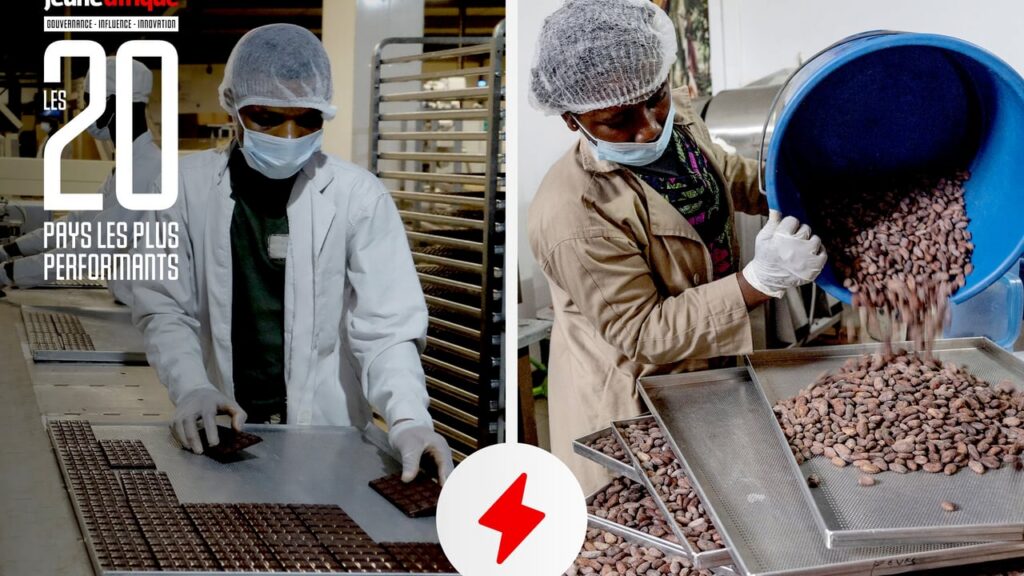
Côte d’Ivoire has long been a cocoa powerhouse, supplying over 40% of the world’s cocoa beans. Its agricultural sector remains a cornerstone of stability, while Ghana’s economy—once heavily reliant on gold—has diversified into oil, services, and manufacturing. Both nations are leveraging their strengths to fuel growth, but their strategies diverge in key ways.
what’s driving the change?
Ghana’s momentum stems from a combination of oil production, digital innovation, and foreign investment. The country’s Jubilee oil fields and recent upstream discoveries have bolstered government revenues, while a thriving tech ecosystem in Accra positions Ghana as a regional digital hub. Meanwhile, Côte d’Ivoire’s growth remains anchored in agriculture, with expanding cashew and palm oil industries adding to its economic resilience.
Yet, challenges persist. Ghana grapples with currency volatility and debt sustainability, while Côte d’Ivoire faces infrastructure bottlenecks despite its strong agricultural base. Both nations are also navigating global headwinds, including fluctuating commodity prices and tightening monetary policies in advanced economies.
sectoral strengths and weaknesses
Ghana’s top sectors:
- Oil and gas: Recent offshore discoveries have expanded production capacity, with the Tullow-operated Tweneboa-Enyenra-Ntomme (TEN) fields contributing significantly to export earnings.
- Services: A booming financial sector and growing fintech industry are reshaping the economy, particularly in Accra and Kumasi.
- Manufacturing: Light industries, including textiles and agro-processing, are gaining traction, supported by government incentives.
Côte d’Ivoire’s top sectors:
- Agriculture: Beyond cocoa, the country is the world’s leading exporter of cashew nuts, with production surging in the northern regions.
- Construction: Major infrastructure projects, such as the Soubré hydroelectric dam, are modernizing the energy grid and improving connectivity.
- Services: The financial and telecom sectors are expanding, though at a slower pace compared to Ghana.
the bigger picture: regional implications
The shifting economic balance between these two neighbors has ripple effects across West Africa. Both countries play pivotal roles in regional trade blocs like ECOWAS and the West African Monetary Zone (WAMZ). A stronger Ghana could influence monetary policies, while Côte d’Ivoire’s stability reinforces its role as a Francophone anchor.
Investors are closely watching these developments. While Ghana’s growth trajectory is impressive, Côte d’Ivoire’s steady agricultural output and improving business climate offer a contrasting but equally compelling value proposition. The competition is not just about numbers—it’s about sustainability, resilience, and long-term vision.
policy choices: the road ahead
Both governments are making strategic bets to secure future prosperity. Ghana’s focus on industrialization and digital transformation contrasts with Côte d’Ivoire’s emphasis on agricultural modernization and infrastructure development. Which path will yield better results remains an open question—one that will shape investor confidence and living standards in the years to come.