The port of Conakry in Guinea has emerged as a critical logistical hub for the transfer of military equipment from Russia to Mali, according to recent maritime tracking data. This development underscores the growing complexity of arms flows in West Africa, raising concerns over regional stability.
a strategic maritime route emerges
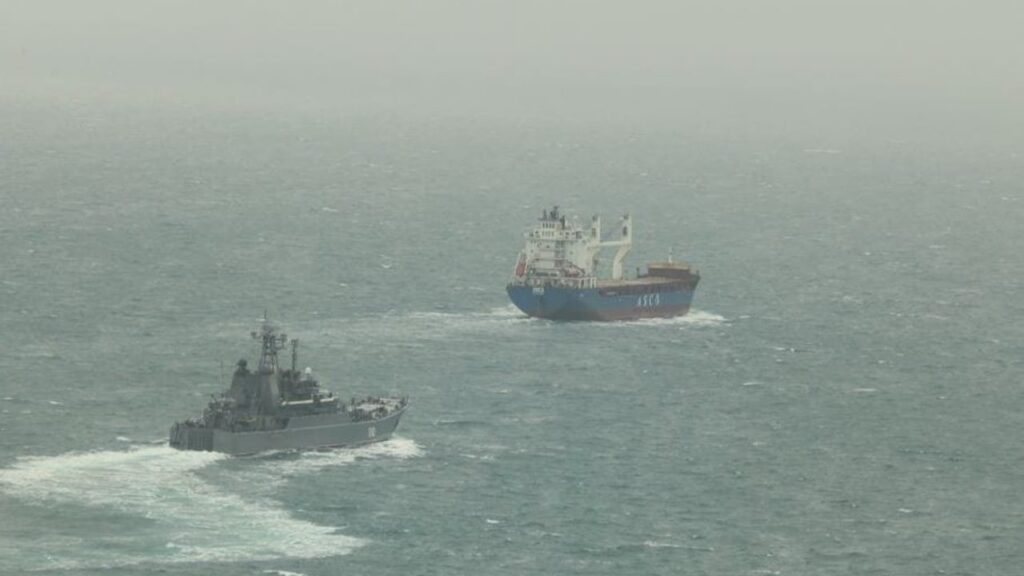
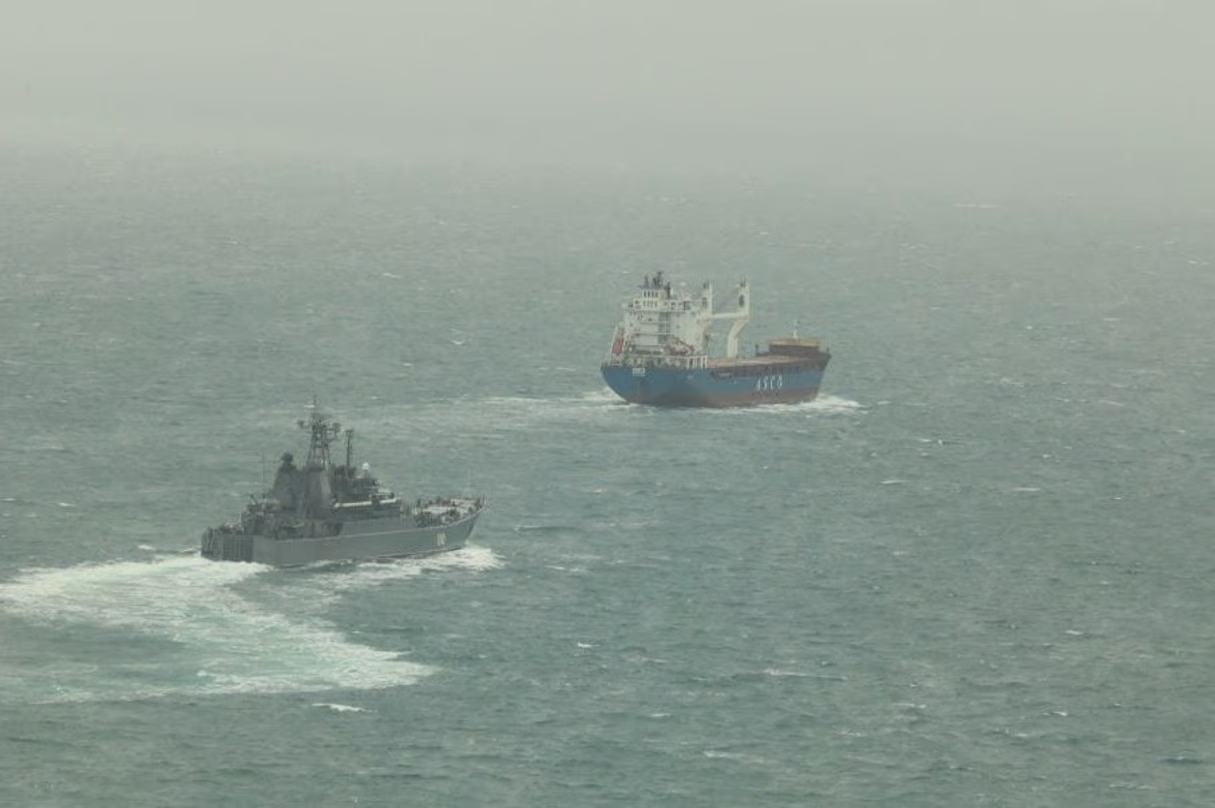
In March 2026, the Sabetta, a Russian-flagged cargo vessel, was observed navigating the English Channel under the escort of a Russian naval ship. Investigations reveal that this vessel later docked at the port of Conakry, where its cargo—reportedly including armored vehicles and small arms—was unloaded. From Guinea, the consignment was transported overland to Mali, bypassing international scrutiny.
Satellite imagery and shipping records confirm multiple such operations over the past year, suggesting a deliberate strategy to circumvent embargoes on arms deliveries to conflict zones in the Sahel. The port’s location, combined with Guinea’s strategic neutrality, makes it an attractive transit point for entities seeking to avoid detection.
regional implications and unanswered questions
The increasing use of Conakry’s port for such shipments has drawn attention from regional security analysts. While Guinea has not publicly commented on these activities, the frequency of these operations points to a potential shift in the dynamics of arms trafficking in West Africa. The involvement of private military companies, such as the Africa Corps, further complicates the landscape, as their operations often operate outside conventional regulatory frameworks.
The Malian government has neither confirmed nor denied receiving these shipments, but the timing aligns with recent reports of intensified military activity in the country. Analysts warn that unchecked arms flows could exacerbate existing conflicts and undermine efforts to restore peace in the region.
the role of private military actors
The Africa Corps, widely believed to be a rebranded successor to the Wagner Group, has been active in several African nations, providing security services and logistical support. Their presence in Guinea and Mali has raised eyebrows, particularly as their operations often blur the lines between legitimate security contracts and covert military interventions. The use of civilian ports for military logistics adds another layer of complexity, making it difficult for international observers to track these shipments.
Guinea’s balancing act
Guinea’s role in this network remains ambiguous. While the country has maintained diplomatic relations with both Russia and Mali, its recent political shifts—including the rise of transitional leader Colonel Mamadi Doumbouya—have raised questions about the extent of its involvement. Observers note that Guinea’s strategic location and relatively stable port infrastructure make it an ideal candidate for such operations, even if the government denies any direct participation.
The situation highlights the challenges faced by West African nations in balancing geopolitical alliances with regional security imperatives. As arms continue to flow through unconventional channels, the need for enhanced monitoring and cooperation among neighboring countries becomes ever more pressing.
looking ahead: what’s next for west africa?
The discovery of this maritime route underscores the evolving nature of arms trafficking in the Sahel. With private military entities playing an increasingly prominent role, traditional methods of tracking and regulating arms flows are proving inadequate. Regional blocs, such as the Economic Community of West African States (ECOWAS), may need to revisit their strategies to address this growing threat.
For now, the port of Conakry remains a silent witness to these covert operations, its waters harboring secrets that could reshape the security landscape of West Africa.