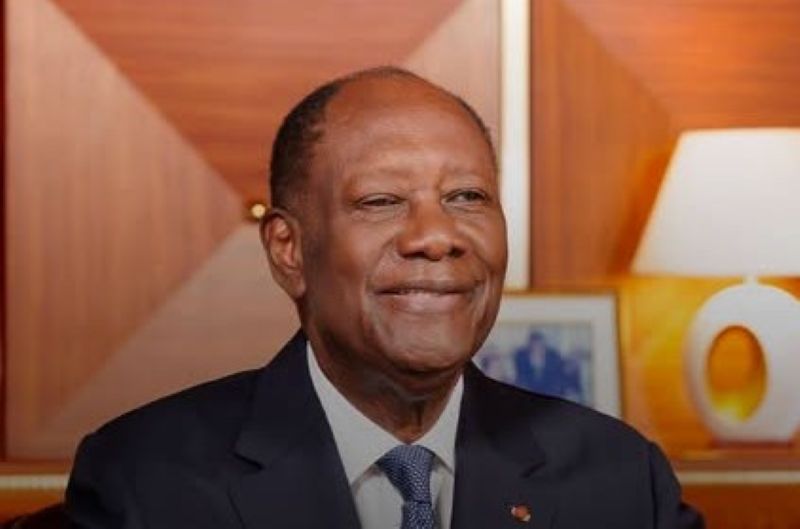
Côte d’Ivoire’s vision: building large, governing fair
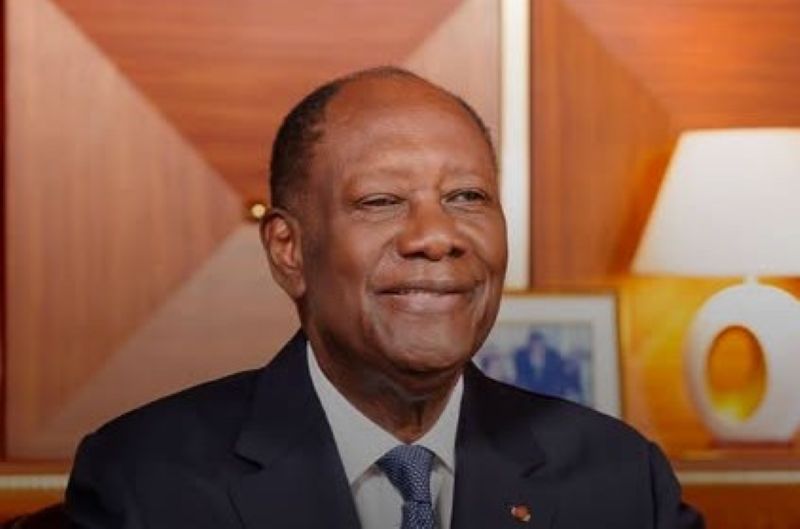
Abidjan, August 7, 2026 — As Côte d’Ivoire marks 66 years of independence, President Alassane Dramane Ouattara outlines a bold new political agenda. His national address transcends routine economic assessments or security pledges, instead weaving together two pivotal priorities that will define the nation’s future trajectory.
At its core, his vision seeks to accelerate the country’s transformation while deepening the rule of law. The concept of the « Grande Côte d’Ivoire » isn’t merely a slogan—it embodies a fundamental question: how can economic growth and political stability translate into tangible benefits for every citizen?
From ambition to collective action
The Ivorian leader is rallying all stakeholders—government institutions, private sector leaders, political parties, civil society, traditional authorities, religious communities, and the diaspora—around the « Grande Côte d’Ivoire » project. This isn’t a top-down directive but a unifying call to embed development within a shared national identity, beyond partisan divides.
The timing is strategic. Côte d’Ivoire’s economic momentum remains robust, buoyed by heavy investments in infrastructure, transportation, energy, and port capacities. The 2026-2030 National Development Plan is poised to crystallize this vision, aiming to propel the nation to a new level of prosperity.
Yet, success can’t be measured solely by skyscrapers rising in Abidjan or highways connecting regions. True progress hinges on reducing territorial disparities, creating youth opportunities, and ensuring growth translates into lasting improvements in living standards. The « Grande Côte d’Ivoire » must be as much a social reality as it is an economic one.
Growth with accountability
The president’s televised address on Wednesday underscored this balance. While reaffirming the urgency of disaster response—particularly amid flood risks—he drew a clear line: administrative actions cannot operate outside legal frameworks. Operations like those recently scrutinized in Koumassi are under review, with the president insisting on accountability and legal consequences for violations.
This distinction is critical. Urban modernization may be essential, and disaster prevention justified, but development cannot tolerate lawless zones where citizens face displacement without due process. The message resonates beyond specific cases: the state can enforce progress without becoming arbitrary, and governance must remain tethered to the laws it upholds.
The litmus test of coherence
Côte d’Ivoire stands at a crossroads where growth alone is insufficient. The nation must prove that a rising regional economic power can simultaneously expand its infrastructure, preserve stability, protect its people, and uphold institutional trust.
President Ouattara’s address underscores a dual challenge: uniting a nation around a shared vision while ensuring every policy—no matter how urgent—adheres to the rule of law. The « Grande Côte d’Ivoire » won’t be judged by its monuments or GDP figures alone, but by its ability to align public power, justice, and inclusion.
This coherence—not slogans—will determine whether the next chapter in Côte d’Ivoire’s journey represents a true leap forward.
More Stories
Can debt serve education? The question Côte d’Ivoire answered in New York
Cameroon’s glasses affair: can press freedom survive such a costly verdict?
Can Côte d’Ivoire preserve the economic memory of Abdoulaye Koné after his death at 91?