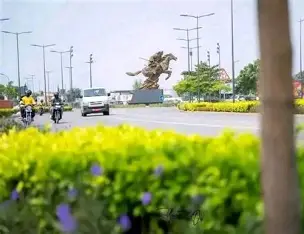
In a groundbreaking announcement that signals a turning point for urban development across the region, Cotonou has been named the cleanest city in West Africa and secured the third position continentally in the 2025 Africa’s Cleanest Cities rankings. This achievement goes beyond mere recognition it marks a tangible shift in the quality of life for thousands of residents and business owners who have witnessed the city’s remarkable transformation from a hub of waste management challenges to a model of urban excellence.
The city’s rise to the top reflects deliberate investments in sanitation infrastructure, waste collection systems, and public space maintenance. With a commendable score of 7.6 out of 10, Cotonou surpassed its previous ranking by three positions, demonstrating not only quantitative growth but also a qualitative leap in how citizens perceive their urban environment. The improvement was measured through a comprehensive survey involving 7,877 respondents primarily long-term residents who evaluated cleanliness levels in their respective communities.
The human and economic impact of cleaner streets
The consequences of Cotonou’s urban renewal extend far beyond aesthetic appeal. For local businesses, the shift has translated into increased foot traffic, longer operating hours, and a strengthened reputation as a destination for investors seeking stable and conducive environments. Hotels, restaurants, and retail outlets have reported noticeable upticks in patronage, attributing the boost to the city’s safer, more inviting atmosphere. According to city officials, the improved cleanliness has also reduced health-related absenteeism among workers, contributing to sustained productivity across sectors.
Residents, too, have experienced firsthand the benefits of a more orderly urban landscape. Families now report safer playgrounds for children, cleaner markets, and reduced exposure to disease vectors linked to uncollected waste. Public health advocates note a decrease in reported cases of cholera and gastrointestinal illnesses during the past two years a trend they directly correlate with improved waste management and sanitation practices.
From chaos to consistency: the infrastructure behind the success
The strategic overhaul of Cotonou’s sanitation framework did not occur overnight. It was grounded in systemic upgrades designed to address structural weaknesses. Monthly waste collection reached a peak of over 14,000 metric tons in 2024, representing a 40% increase from 2022 levels. This surge was supported by the deployment of 12 new waste compactor trucks and the recruitment of 300 additional sanitation workers. Regular street sweeping now covers over 1.2 million square meters of roadways and public squares each week, ensuring that visible trash accumulation is minimized and that stormwater drainage systems remain unimpeded.
Such infrastructure gains were complemented by digital and operational innovations. A citywide waste tracking app was introduced to monitor routes, report illegal dumping, and streamline response times. Public awareness campaigns aired in local languages and disseminated through community leaders have reinforced behavioral change by emphasizing shared responsibility in maintaining cleanliness.
Sustaining progress: the long-term challenge
While Cotonou’s achievements are significant, city leaders emphasize that the third-place ranking is not an endpoint but a milestone. The primary challenge now lies in maintaining momentum amid rapid urbanization and population growth. With over 1.2 million inhabitants, Cotonou faces a daily influx of new residents, many of whom arrive without access to formal waste disposal systems. Informal settlements often on the city’s outskirts remain particularly vulnerable to sanitation backsliding, threatening to reverse hard-won gains.
To address this, urban planners are advocating for a multi-tiered strategy: deepening community engagement through resident-led cleanup brigades, expanding the network of public restrooms and waste receptacles, and integrating green infrastructure such as permeable pavements and mini-parks in high-traffic areas. International development partners have pledged technical support in solid waste management, with a focus on training local engineers and waste entrepreneurs to sustain the city’s momentum.
One critical factor in long-term success will be shifting public perception from viewing cleanliness as a periodic campaign to embracing it as a civic duty. Preliminary surveys suggest that only 58% of residents currently participate in waste separation at home, a habit essential to optimizing recycling and reducing landfill loads. City authorities are responding with incentive programs, including tax rebates for businesses with strong environmental compliance records and recognition awards for neighborhoods with the lowest incidence of illegal dumping.
What the future holds for Cotonou’s urban legacy
As Cotonou cements its reputation as a regional leader in urban sanitation, the ripple effects are already being felt across the West African subregion. Municipal officials from neighboring capitals have visited to study its collection models and public-private partnerships in waste processing. Regional bodies such as the Economic Community of West African States (ECOWAS) have cited Cotonou’s model as a reference in their urban development blueprints.
Yet, perhaps the most profound impact is intangible: the restoration of civic pride. A 2024 survey revealed that 74% of residents now feel a stronger sense of belonging to their city, a sentiment strongly correlated with willingness to invest time and resources in its upkeep. In a continent often marked by instability and infrastructure deficits, Cotonou’s story offers a compelling narrative of how targeted policy, community involvement, and persistent execution can transform urban living and set a new standard for Africa’s future cities.
By Marguerite Ndongo — Journalist