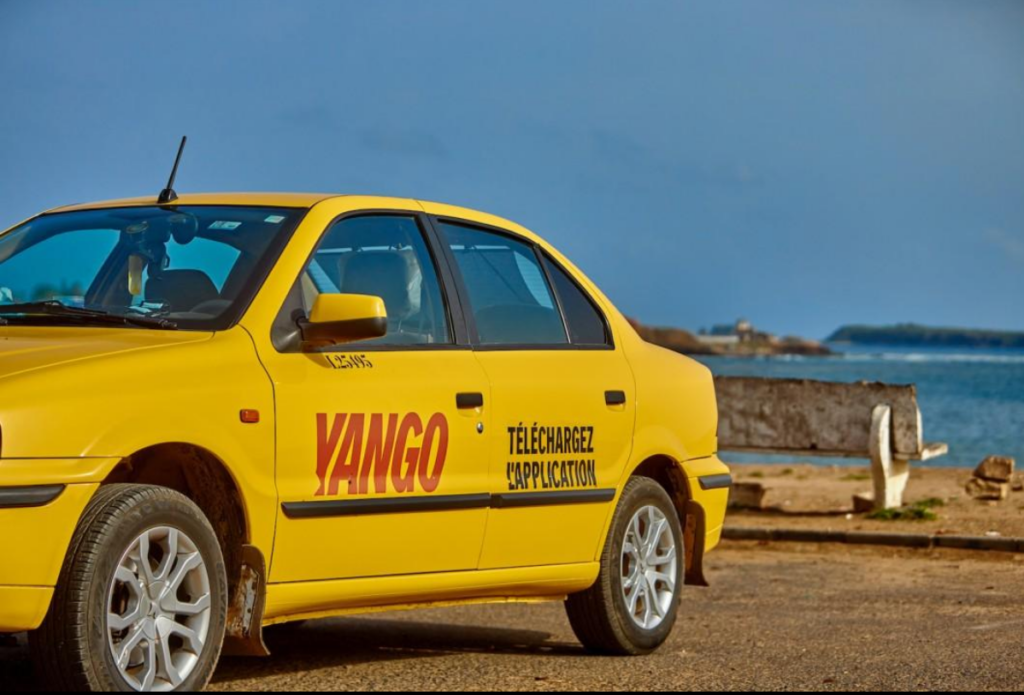
From convenience to crisis: the shocking rise of driver-involved crimes in Senegal’s VTC sector
In Senegal, a growing number of women are speaking out about harrowing experiences with ride-hailing services, shedding light on what many now see as systemic failures in safety and accountability. Reports of sexual assaults, knife-point threats, and digital thefts at the hands of drivers using the Yango platform have not only sparked outrage but also exposed critical gaps in how these services protect their most vulnerable users. The disturbing incidents, concentrated between Mbour and Dakar, have left passengers questioning whether their safety is being prioritized—or overlooked—by companies that profit from their trust.

Trapped in transit: how isolated routes became crime scenes
Testimonies from affected passengers reveal a chilling pattern. Many describe initially routine trips that took sudden, unexplained turns under the pretext of route changes—only to end in remote areas where help would be difficult to reach. Some victims recount how doors were locked, knives were brandished, and demands were made for access to mobile wallets like Wave and Orange Money. Worst of all, several women claim they were sexually assaulted under duress, their pleas ignored by a system that failed to protect them.
What the victims’ accounts reveal about ride-hailing risks
- Un-tracked deviations: Drivers reportedly altered routes without explanation, placing passengers in isolated locations.
- Digital coercion: Victims were reportedly pressured into unlocking phones to access mobile payment accounts.
- Physical threats: Knife-related intimidation was cited in multiple accounts, raising serious concerns about safety protocols.
- Total absence of intervention: Despite claims of reporting suspicious behavior, no rescue or de-escalation occurred during the journeys.
Yango’s response: answers still missing in a sea of doubt
Following public outcry, Yango issued a statement expressing concern and claiming no matching reservations were found in internal records. Yet critics question not only the accuracy of these findings but also the company’s transparency. If the accused driver was indeed registered on the platform, why couldn’t the disputed route be traced? What safeguards are in place to prevent such lapses? And how does Yango intend to rebuild trust after these deeply unsettling allegations?
The company has pledged cooperation with authorities and outreach to reported complainants and their families. But community leaders, riders, and advocacy groups are demanding more than statements: they want concrete action, full investigative openness, and meaningful change in how ride-hailing platforms operate in Senegal.
The ripple effect: how one scandal could reshape Senegal’s transport sector
This crisis extends far beyond Yango. It strikes at the core of a fundamental question: who is ultimately responsible for passenger safety in Senegal’s rapidly expanding VTC market? The country’s transport landscape has changed dramatically with ride-hailing apps, offering convenience and efficiency. Yet these benefits come at a cost—one measured in shattered trust, lost dignity, and unanswered cries for justice.
For women who rely on apps for nighttime commutes or safe travel, the fear is now real. Many are reconsidering whether booking a ride is worth the risk. Social movements like WaxJotNa have amplified these concerns, calling for stricter driver vetting, real-time monitoring, and stronger legal accountability for platforms that fail to protect users.
What’s missing in ride-hailing safety protocols?
Investigations into this case have exposed critical shortcomings in the sector’s safety measures:
- Weak driver screening: Background checks may not be thorough enough to catch criminal histories.
- Inadequate real-time tracking: Current systems fail to stop route deviations or intercept distress signals.
- Delayed response protocols: Victims allege no emergency alerts, driver blocking, or police notification during incidents.
- Lack of transparency: Companies often hide incident data, leaving users unaware of recurring risks.
Justice delayed is justice denied: the call for urgent action
No legal ruling has yet assigned liability to Yango or its drivers. However, the case raises urgent legal and ethical questions. Can a digital intermediary be held responsible when its service enables harm? Under Senegalese law, the answer depends on whether the company exercised due diligence—or whether its systems actively contributed to the harm by failing to detect, prevent, or respond to clear warning signs.
Civil society and advocacy groups insist that silence is unacceptable. They demand independent investigations, full reparations for affected women, and a legally binding framework that holds both drivers and platforms accountable. Until then, the sector’s future—and the safety of millions of Senegalese women—remains in jeopardy.
Looking ahead: can ride-hailing regain its promise of freedom and safety?
The alleged crimes involving Yango are not just an indictment of one company—they are a wake-up call for Senegal’s transport revolution. Technology alone cannot guarantee safety. Without strong regulations, transparent operations, and genuine user protection, the promise of ride-hailing—to move people freely and securely—risks becoming a hollow illusion. The time for action is now, before more lives are put in danger.