
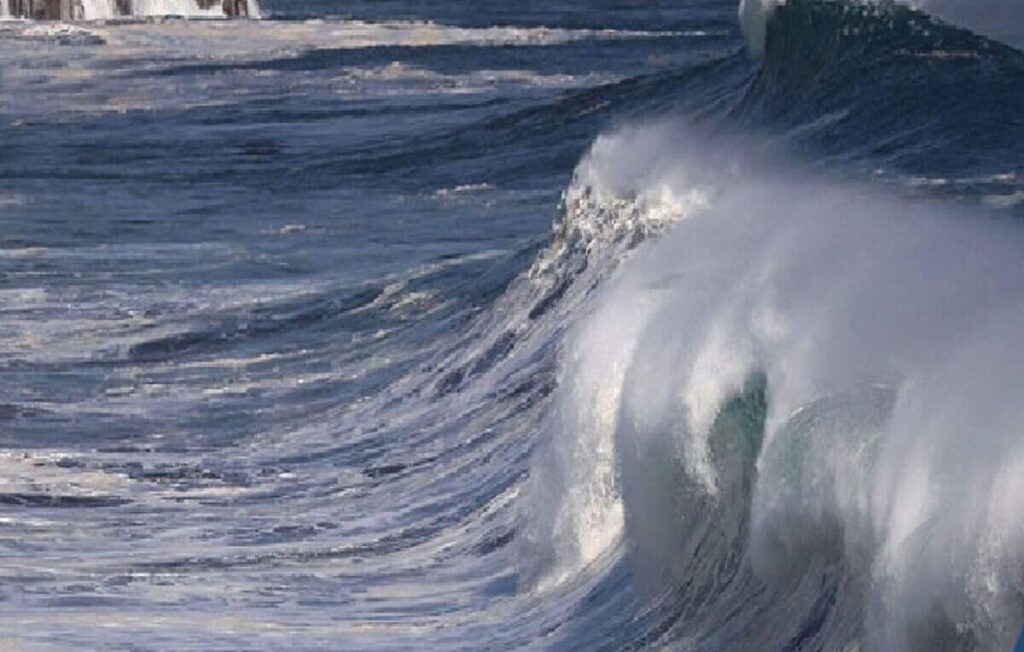
dangerous swell alert grips Senegal’s coastline
authorities in Senegal have issued a critical alert regarding an impending dangerous swell and strong winds threatening the country’s coastal regions. sea users are urged to exercise extreme caution and adhere strictly to safety guidelines until may 16.
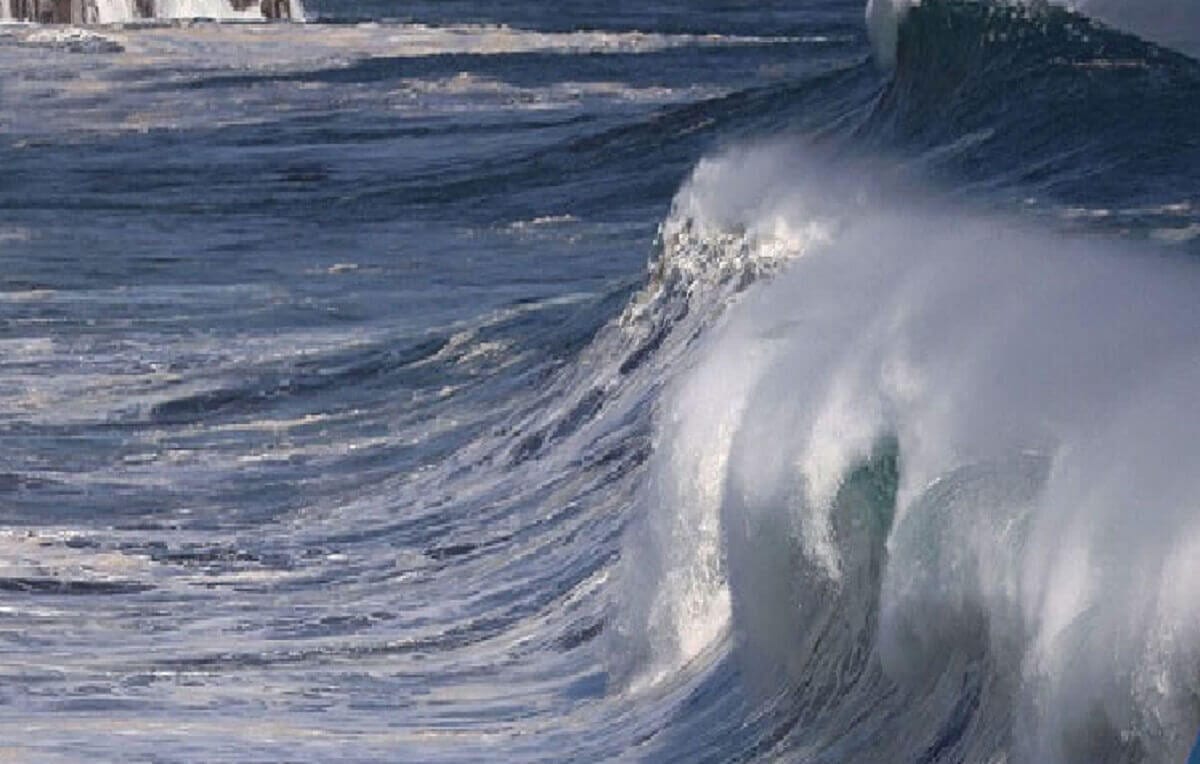
The national agency for civil aviation and meteorology (ANACIM) has raised alarms about a dangerous swell approaching Senegal’s coastline. the alert covers both the Grand Côte and the Dakar region, with conditions expected to remain hazardous through may 16.
what to expect along Senegal’s coastline
according to ANACIM, a northwest swell exceeding 2.5 meters is forecast to impact the Grand Côte starting tuesday, may 12, at 3:00 am. by wednesday, may 13, at 1:00 am, the swell is expected to reach the Dakar area, maintaining dangerous levels until saturday, may 16, at 1:00 am.
in addition to the swell, strong north winds are predicted to batter the Grand Côte from monday, may 11, at 11:00 pm through wednesday, may 13, at 7:00 am. wind gusts could reach up to 40 km/h, further complicating maritime activities.
potential hazards and risks
the combination of dangerous swells and strong winds poses significant risks to coastal communities and maritime operations. ANACIM has highlighted several key concerns:
- highly agitated seas that could endanger navigation and fishing activities
- hazardous waves along the shoreline, particularly threatening small boats and light vessels
- disruptions to coastal activities, including transport and tourism
fishermen, sea users, and residents in coastal areas are strongly advised to avoid unnecessary sea travel and follow all safety protocols issued by local authorities.
preparedness and safety measures
ANACIM has called for heightened vigilance and strict adherence to safety guidelines during this period. the agency emphasizes the importance of:
- monitoring official weather updates regularly
- avoiding coastal areas during the peak of the swell and wind activity
- ensuring vessels are securely moored and prepared for rough conditions
- staying informed about local advisories and evacuation notices
as the situation evolves, both locals and visitors are encouraged to stay alert and prioritize safety to mitigate the risks associated with these extreme weather conditions.



More Stories
Niger: Tiani faces fallout from special forces anger after Russian intervention
Mali : 17 morts dans les rangs des dozos, le JNIM accentue sa pression
Sahel : le pari des juntes tourne-t-il à l’échec sécuritaire ?