
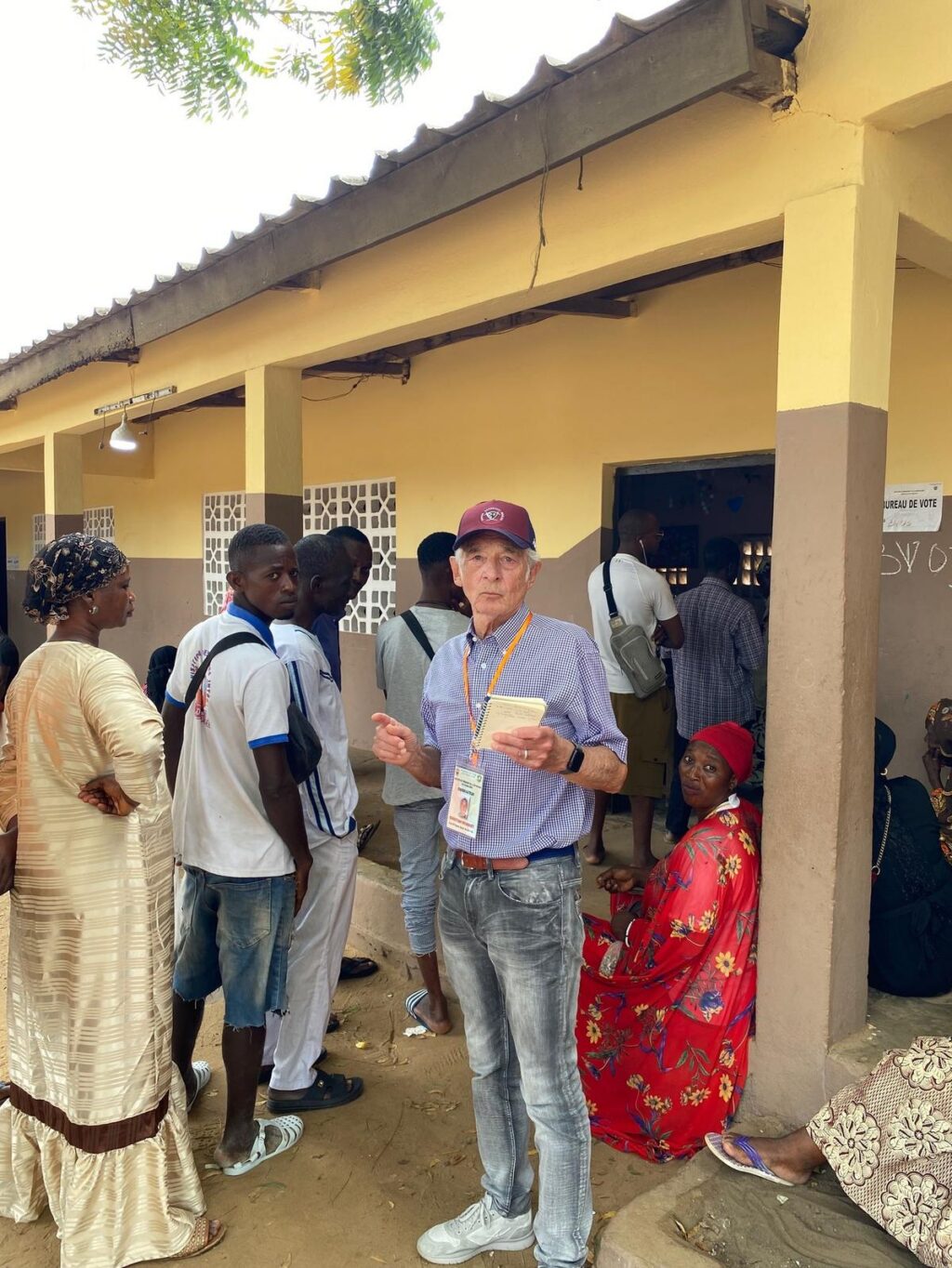
the state of democracy in africa: a continent at a crossroads
The African continent has witnessed a wave of political shifts in recent years, with nine coups recorded since 2020. These events have disrupted democratic processes, replacing elected leaders with military regimes. Beyond the immediate turmoil, a broader geopolitical realignment is unfolding as African nations increasingly align with the Global South, challenging Western influence and exploring alternative governance models.
from la baule to today: the evolution of democratic expectations
In 1990, François Mitterrand’s speech in La Baule set a precedent, urging African countries to adopt democratic reforms. While many nations embraced these principles, the implementation has not always been smooth. Some governments have either misused democratic processes or outright rejected them in favor of illiberal systems. This shift reflects growing disillusionment with Western-imposed governance structures and a search for sovereignty.
the rise of alternative alliances and governance models
African countries are increasingly turning toward the Global South, seeking partnerships that prioritize mutual respect and non-interference. This trend has led to the rise of illiberal democracies, where elections may occur, but with significant restrictions on freedoms and political pluralism. The continent’s pivot away from Western influence signals a desire for greater autonomy in shaping its political future.
what lies ahead for African democracy?
As Africa navigates these turbulent times, the path to sustainable democracy remains uncertain. Will the continent double down on traditional democratic values, or will it continue to embrace new governance models? The answers will shape not only Africa’s future but also its role on the global stage.
More Stories
Ousmane Sonko’s firm stance on Senegal’s FMI agreement demands full transparency
Senegal’s institutional crossroads: the unfolding dynamic between Ousmane Sonko and Bassirou Diomaye Faye
Minister abdourahmane diouf reignites feud with ousmane sonko over special credits reform