
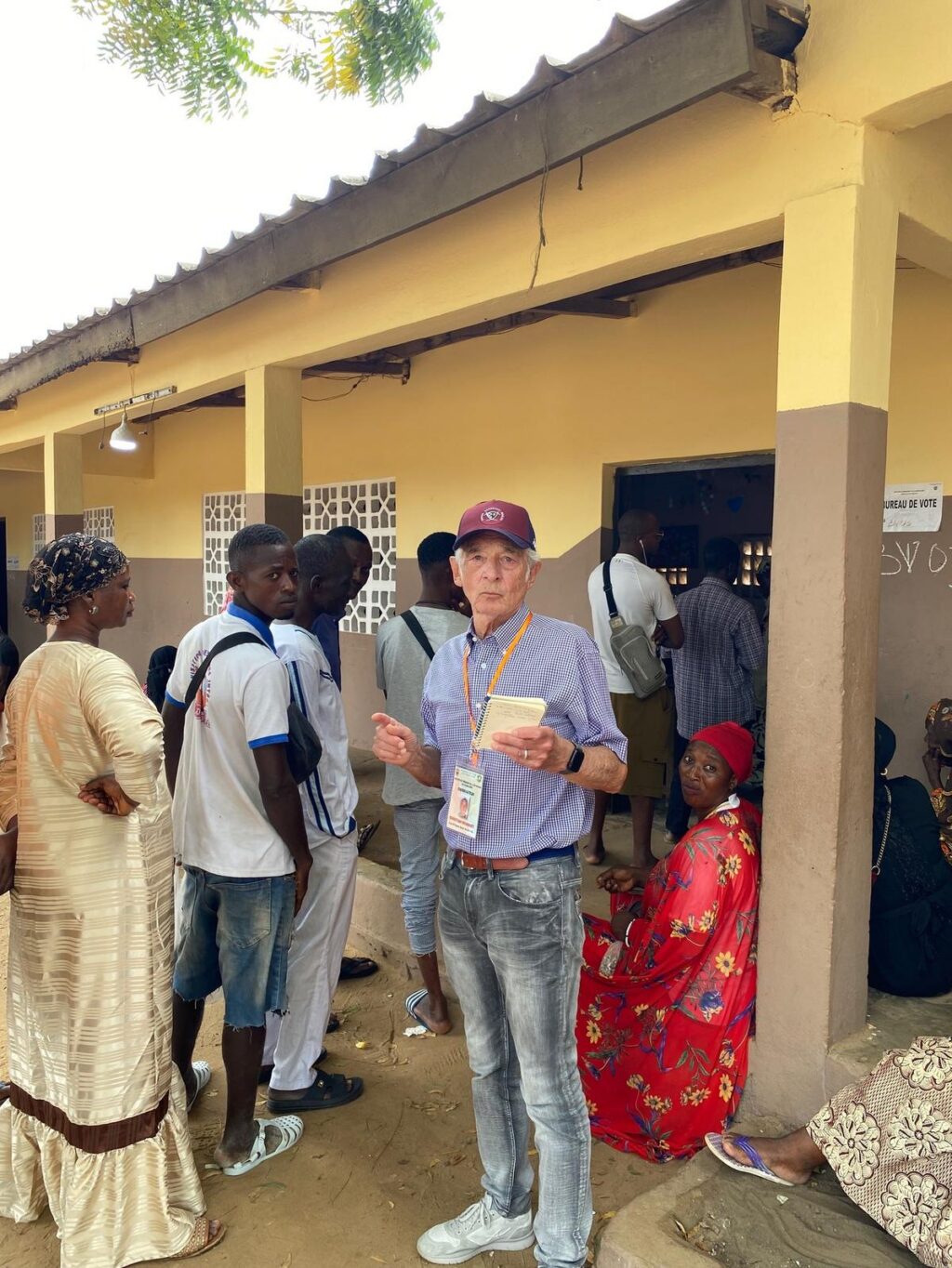
Recent political shifts across Africa: what’s happening to democracy?
The African continent has witnessed a wave of political transformations in recent years, with a notable rise in military-led takeovers disrupting long-standing democratic processes. Since 2020 alone, nine nations have experienced coups, replacing elected governments with military leadership. This trend reflects deeper regional dynamics, as African countries increasingly align with the “Global South” and gravitate toward so-called “illiberal” governance models.
From cooperation to confrontation: Africa’s evolving stance
Historically, Africa’s relationship with the West has been shaped by democratic expectations. Since François Mitterrand’s landmark 1990 speech in La Baule, many African nations faced pressure to adopt democratic reforms. While some governments embraced these changes, others struggled with implementation—or outright rejected them. Today, the continent’s evolving alliances signal a broader shift away from Western influence, as African leaders explore alternative political frameworks.
Military rule vs. democratic ideals: a growing divide
The surge in military interventions has raised concerns about the future of democracy in Africa. Critics argue that these takeovers undermine institutions and destabilize nations, while supporters claim they respond to public frustration with ineffective or corrupt governance. Amid this tension, Africa’s strategic realignment—particularly toward non-Western partners—further complicates the democratic landscape, leaving observers to question whether traditional models can adapt to modern realities.
More Stories
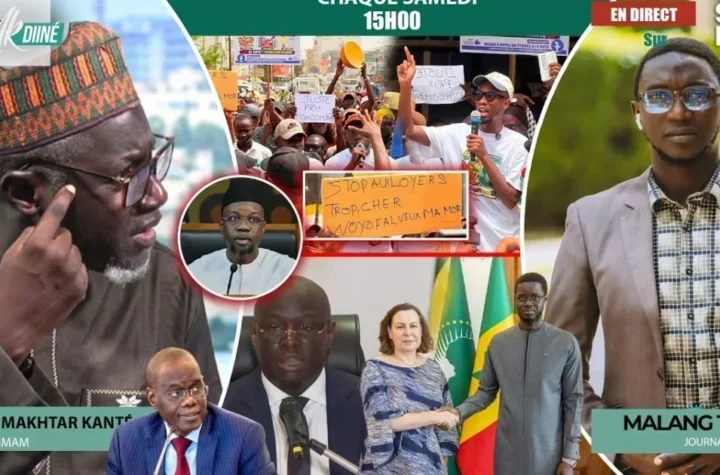
Ousmane Sonko’s firm stance on Senegal’s FMI agreement demands full transparency
Senegal’s institutional crossroads: the unfolding dynamic between Ousmane Sonko and Bassirou Diomaye Faye
Minister abdourahmane diouf reignites feud with ousmane sonko over special credits reform