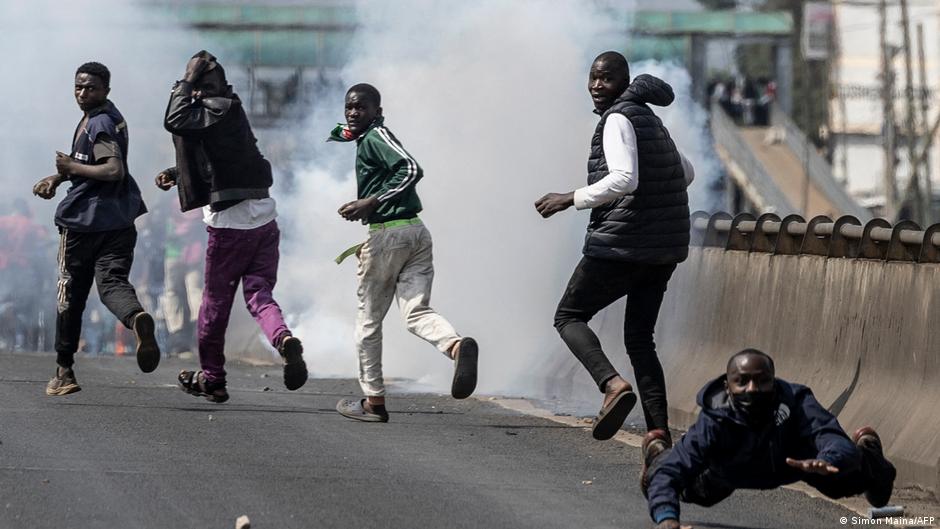
Democracy under pressure across Sub-Saharan Africa
This week, we examine the state of democracy in several Sub-Saharan African nations—including Senegal, Madagascar, Mali, Burkina Faso, and Niger—where political landscapes are shifting under intense pressure.
The continent’s democratic journey remains a tale of contrasting realities. While some nations consolidate democratic gains, others face alarming setbacks marked by military coups, encroaching authoritarianism, and shrinking political freedoms. Yet, the story does not end with decline. Citizens’ demands for transparency, accountability, and genuine representation continue to shape the continent’s political future.
Analysts tracking trends into 2025 and 2026 highlight growing concerns over democratic erosion in multiple regions. Key challenges threatening stability include:
- Military regimes consolidating power in the Sahel, particularly in Mali, Burkina Faso, and Niger.
- Delayed or contested elections in several countries.
- Systematic restrictions on political opposition, media outlets, and civil society organizations.
- Constitutional amendments enabling leaders to extend their time in office.
Despite these pressures, elections continue to be held across the continent. However, their fairness and credibility are increasingly questioned by observers and citizens alike.
Signs of resilience in democratic governance
Not all is bleak. Countries such as Senegal, Cape Verde, Botswana, Seychelles, and Ghana remain beacons of political pluralism and peaceful transitions. Recent electoral outcomes demonstrate that voters still wield significant influence in shaping governance. Afrobarometer surveys further reveal a strong regional commitment to democratic values, with citizens expressing a clear desire for greater participation, transparency, and government accountability.
The power of youth in democratic movements
Africa’s youth are at the forefront of this transformation. In many nations, young activists are mobilizing to demand:
- Fair and transparent electoral processes.
- Strong anti-corruption measures.
- Improved governance and service delivery.
- Economic and social opportunities for all.
These demands reflect a broader call for dignity, opportunity, and meaningful change across the continent.
Critical challenges ahead
The path to democratic resilience requires addressing several pressing issues:
- Restoring constitutional order in countries led by military juntas.
- Ensuring the independence of electoral and judicial institutions.
- Upholding presidential term limits and constitutional limits on power.
- Protecting public freedoms, including press freedom, political opposition, and civil society.
- Meeting the socio-economic expectations of citizens, particularly the youth.
More Stories
Can Senegal’s local elections be Bassirou Diomaye Faye’s make-or-break moment?
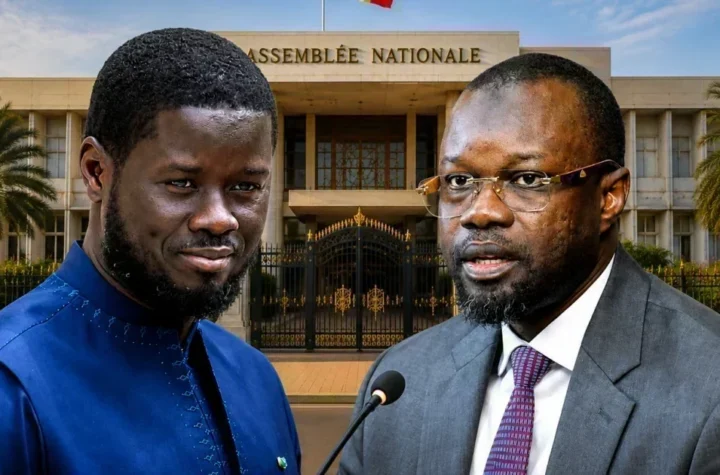
Senegal’s parliament: What power does Ousmane Sonko hold to derail the 2026 budget?
Senegal’s December 2 dilemma: can Diomaye Faye’s gamble reshape the nation’s future?