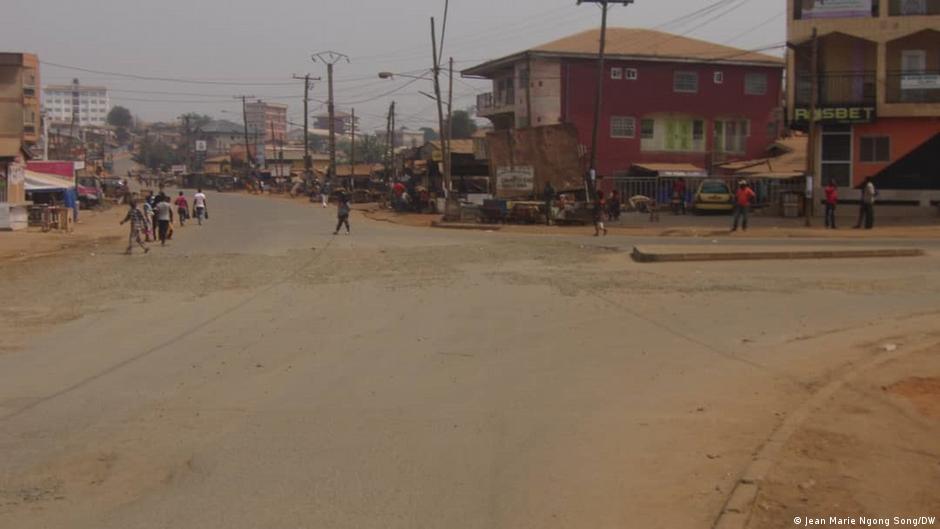
The National Road 5 in Cameroon, linking the economic hub of Douala to Bafoussam and extending to Bamenda in the Northwest region, has become a dangerous stretch of highway. Years of neglect have turned this vital economic artery into a high-risk zone, with alarming fatality rates and severe structural damage.
Multiple factors contribute to the road’s rapid deterioration. The constant flow of heavy trucks and intercity buses, combined with chronic underinvestment in maintenance, has taken its toll. Additionally, climate change has intensified the problem, as heavier and more frequent rainfall accelerates pavement erosion and soil instability.
Journey through chaos: the ordeal of travelers
Travelers along this route endure a grueling experience. Rainstorms repeatedly flood the road, washing away asphalt layers and creating massive potholes that threaten vehicle stability. What was once a three-and-a-half-hour journey now demands nearly ten hours of uncomfortable travel time.
Bus drivers frequently resort to risky detours to avoid the worst sections. Alice, a passenger on one such trip, shared her harrowing experience: « We left Bafoussam 14 hours ago. The main road is completely impassable in the Haut-Nkam area. We had to take the Yaoundé route—even though we weren’t heading there—and diverted near Bagangté to rejoin the Douala axis. We arrived exhausted, our bodies aching from the ordeal. »
Danger zone: the deadly triangle of Douala, Yaoundé, and Bafoussam
The rugged terrain of the West region, coupled with relentless rainfall, poses severe risks. The November 5, 2024, landslide near Dschang—where two buses and several cars were buried, resulting in 14 fatalities—highlighted the road’s vulnerability to extreme weather. Reports indicate that the Douala-Yaoundé-Bafoussam corridor may account for nearly 100 traffic-related deaths per month.
For commuters, reaching Bafoussam or Douala often feels like escaping a life-threatening situation. One traveler recounted: « I arrived this morning at 2 AM. It was pure torture. I’d even suggest agencies reroute trips from Douala via National Road 3 to Yaoundé, then take National Road 6. Yes, the fare might double, but it’s better than spending ten or eleven hours on National Road 5—only to arrive battered, like spare parts. »
Government response falls short amid mounting frustration
The government has earmarked approximately 180 billion CFA francs for rehabilitation efforts. Yet, frustration among road users remains palpable. Mika Séma, a transporter, expressed his outrage: « Tolls are supposed to fund road upkeep. But when the road is a disaster, why should we pay? The authorities must act now—before this highway claims more lives. »
With rainy seasons growing increasingly violent and no large-scale repairs in sight, the Douala-Bafoussam route continues to claim victims, posing a persistent threat to public safety in Cameroon.


More Stories
Can West Africa’s peace strategy survive without stronger regional unity?
Will Togo’s Faure Gnassingbé broker the breakthrough east DRC needs?
Can Nigeria’s military campaign end the kidnapping economy in the north?