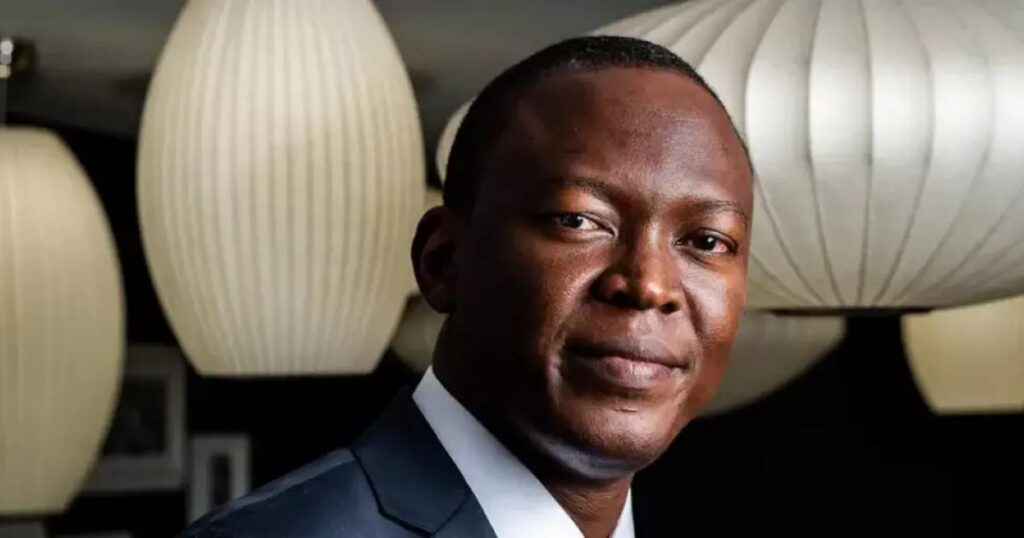
Tchad’s president grants pardon to Succès Masra
On Friday, August 14, 2026, President Mahamat Idriss Déby Itno of Tchad announced a presidential pardon for Succès Masra, a prominent opposition figure and former Prime Minister. This decision could lead to Masra’s imminent release from prison, where he has been serving a 20-year sentence for serious criminal charges, despite the pardon not nullifying his conviction.
Condemned to 20 years in prison
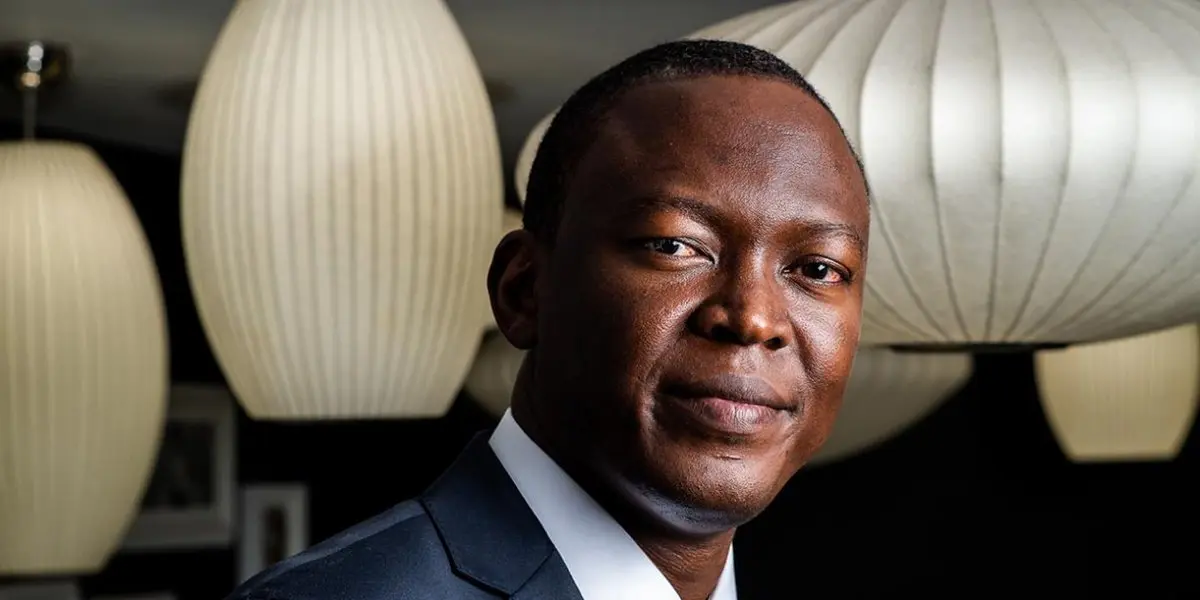
The presidential pardon follows the Supreme Court’s decision in May 2026, which upheld Masra’s 20-year prison sentence for his role in the deadly clashes in Mandakao, Logone Occidental province, in May 2025. The court found him guilty of inciting hatred, xenophobia, and complicity in murder, charges stemming from the unrest that resulted in dozens of deaths.
With all legal avenues exhausted, the pardon represents one of the few remaining options to alter the execution of his sentence. While it can lead to his release, the pardon does not erase the legal consequences of his conviction, leaving the underlying judgment intact.
Pardon vs. acquittal: a key distinction
This pardon is a gesture of clemency that allows for the suspension or reduction of a sentence but does not overturn a court ruling. For Succès Masra and his supporters, who have long contested the legitimacy of his trial, this distinction is critical. The decision grants him freedom without acknowledging the validity of the charges against him, leaving room for continued debate over the fairness of his prosecution.
The move comes as Tchad approaches its 66th Independence Day, a moment when the president has signaled intentions to use his clemency powers. Speculation had grown in recent weeks about potential beneficiaries, with Masra’s case frequently cited as a focal point for political reconciliation.
From Prime Minister to opposition leader
Succès Masra’s political journey took a dramatic turn after his brief tenure as transitional Prime Minister in early 2024. He contested the presidential election on May 6, 2024, officially securing around 18% of the vote against Mahamat Idriss Déby Itno’s 61%. Following the election results’ confirmation by the Constitutional Council, Masra resigned from his post and transitioned into a vocal critic of the government.
His arrest in May 2025 and subsequent trial further strained relations between the opposition and the ruling authorities. The pardon may now ease tensions, though it does not resolve the broader political and legal disputes that have defined his case.

More Stories
Can West Africa’s peace strategy survive without stronger regional unity?
Will Togo’s Faure Gnassingbé broker the breakthrough east DRC needs?
Can Nigeria’s military campaign end the kidnapping economy in the north?