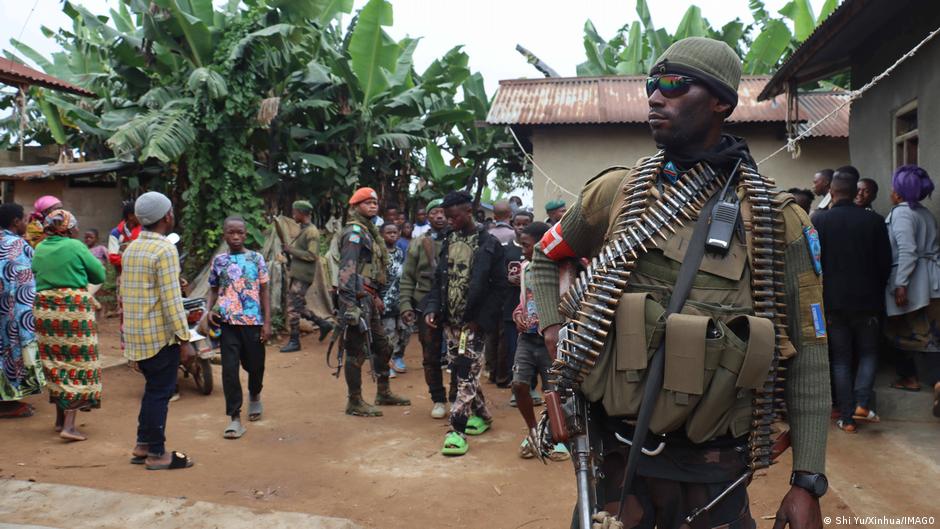
DR Congo military ordered to halt smartphone use amid operational risks
For years, social media has been flooded with videos featuring Congolese soldiers and Wazalendo fighters—some celebrating battlefield victories, others pleading for reinforcements, complaining about logistical shortages, or even fleeing combat zones.
A mid-ranking officer, speaking on condition of anonymity, shared why he routinely brings his phone into the Uvira-Fizi operational zone in South Kivu:
Soldiers defend phone use as lifeline to families
“I always bring my phone to combat to stay in touch with my family” (FARDC member)
“My family needs to know I’m still alive—combat is literally a matter of life and death. No soldier willingly reveals their position to the enemy, but since command has banned phone use, we’ll comply—provided they stop forcing us into reckless tactical retreats that weaken our efforts.”
Security risks cited in official ban
Acting FARDC spokesperson Lieutenant-Colonel Mak Hazukay emphasized in a statement that an active or carelessly used phone can betray troop locations, enabling enemy targeting. He sternly warned soldiers against unauthorized phone use, prohibiting sharing positions, movements, mission details, troop numbers, or combat footage via social media or messaging apps.
Kelvin Bwija, coordinator of the Congolese Civil Society Organization (Socico) in Uvira Territory, praised the measure, believing strict enforcement could curb insider betrayals:
“This is a welcome move—some FARDC personnel were reportedly communicating with enemies of the DRC, passing instructions and troop movements. As civil society, we fully support this military directive.”
Human rights lawyer backs military discipline
Human rights advocate Maître Aimé Bisimwa acknowledged smartphones as essential communication tools but stressed soldiers must obey orders:
“This doesn’t violate communication rights. Worldwide, military personnel must conceal their positions from enemies. Regardless of circumstances, they’ve sworn to serve under the flag, even at the cost of their lives.”
Meanwhile, fighting continues in villages across Mwenga and Fizi highlands in South Kivu, where the AFC/M23–Twirwaneho rebel coalition—allegedly backed by Rwanda—clashes with the FARDC-Wazalendo alliance supported by Burundi.