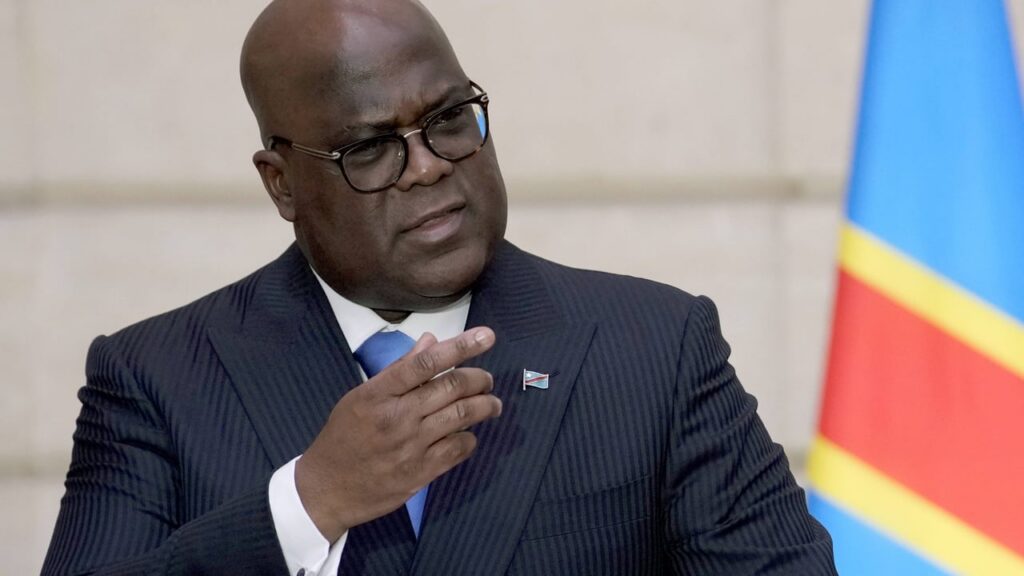
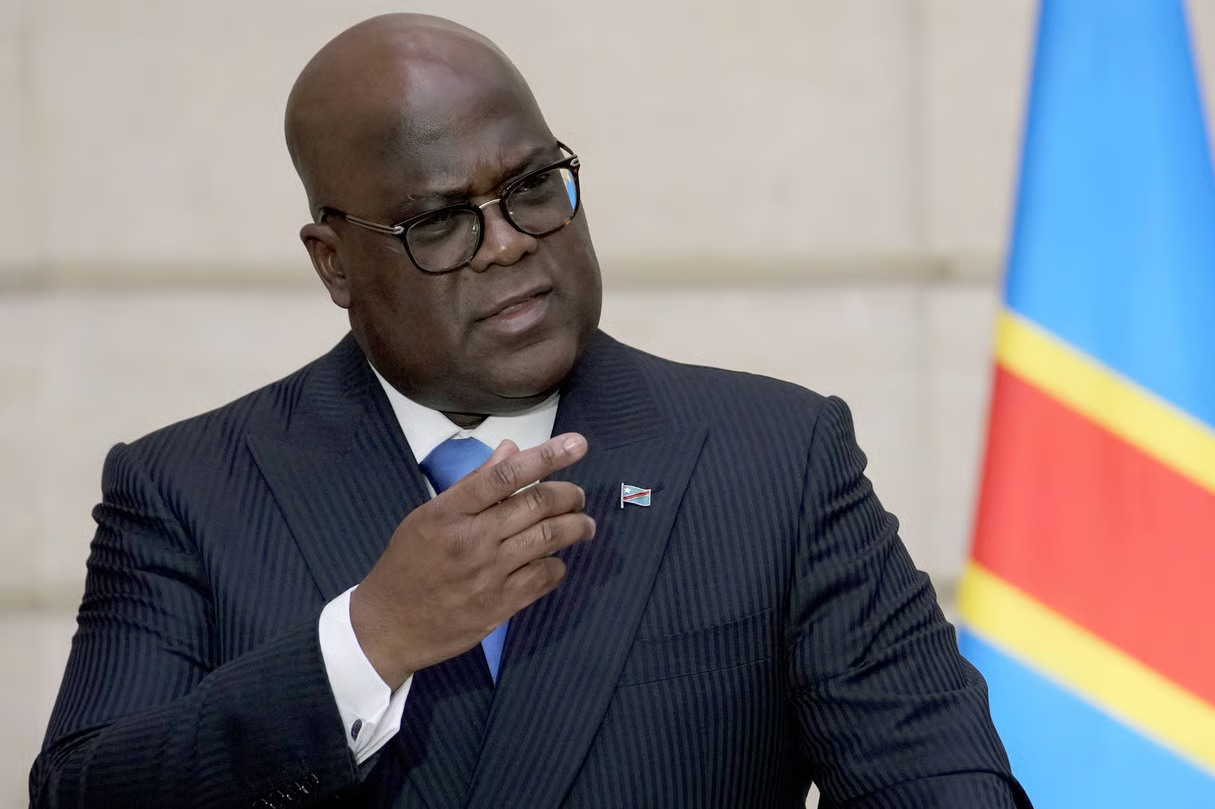
The Democratic Republic of Congo is navigating a critical phase in its political evolution as the proposed DRC referendum law has been officially returned to the Parliament. This significant procedural development highlights President Félix Tshisekedi’s strategic command over the nation’s legislative processes, firmly establishing his influence over the timing and direction of key political reforms.
Président Tshisekedi’s legislative mastery
President Félix Tshisekedi’s decision to refer the referendum legislation back to the National Assembly is widely interpreted as a calculated move to fine-tune the bill and ensure its alignment with his broader national agenda. This action underscores his role as the master of the political clock, allowing him to control when and how crucial legislative initiatives, such as a national referendum, advance through the parliamentary channels.
This maneuver provides President Tshisekedi with the flexibility to address any outstanding concerns, consolidate political support, or strategically position his administration and the Union for Democracy and Social Progress (UDPS) ahead of future electoral cycles. The careful management of this significant law’s progress also sends a clear message about the presidency’s authority in shaping the constitutional and political future of the RDC, potentially influencing various political stakeholders, including figures like Moïse Katumbi.

More Stories
Can Benin’s voice in Bucharest reshape the future of francophone social dialogue?
Niger’s sovereignty claim: can a UN speech hide the SOMAÏR and SONIDEP collapse?
Can South Africa halt the bloodshed after 27 lives lost in Johannesburg and Cape Town?