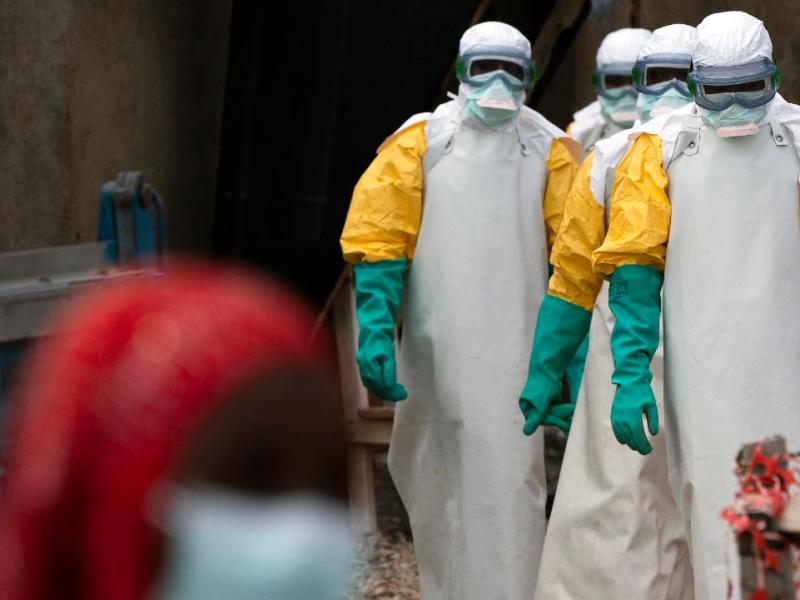
The Ebola epidemic, specifically the Bundibugyo strain, is continuing its spread across the eastern regions of the République démocratique du Congo. Recent data indicates that 515 cases have now been confirmed since the start of the outbreak, affecting the provinces of Ituri, Nord-Kivu, and Sud-Kivu.
The health situation has resulted in 91 fatalities among those infected, representing a death rate of approximately 17.7%. Currently, medical teams are monitoring 283 patients who are either in isolation or receiving hospital care. On a more positive note, 12 individuals have successfully recovered from the virus since the crisis began.
In just the last day, 27 additional confirmed cases were identified by health monitors.
Expansion across twenty-five health zones
The virus has now reached 25 of the country’s 104 health zones. Ituri remains the primary focus of the epidemic, with 17 of its 36 zones reporting infections. These include Aru, Aungba, Bambu, Bunia, Damas, Gety, Kilo, Komanda, Lita, Logo, Mambasa, Mangala, Mongbwalu, Nizi, Nyankunde, Rimba, and Rwampara.
The geographic reach of the disease is also expanding into Nord-Kivu and Sud-Kivu, where several active clusters have been identified outside the original epicenter.
Casualties reported in Nord-Kivu and Sud-Kivu
In the neighboring provinces, the Katwa health zone is currently the most active site, recording 11 confirmed cases and 8 deaths. Other areas reporting impact include:
- Beni: 5 confirmed cases and 3 deaths
- Butembo: 4 confirmed cases and 2 deaths
- Miti-Murhesa: 3 confirmed cases and 1 death
- Oicha: 2 confirmed cases and 2 deaths
- Kalunguta: 1 confirmed case and 1 death
- Kyondo: 1 confirmed case with no fatalities
- Goma: 1 confirmed case with no fatalities
Obstacles hindering the medical response
Efforts to contain the virus are meeting significant hurdles. Persistent insecurity in parts of Ituri, combined with the logistical difficulty of reaching remote communities, complicates the intervention. Furthermore, health workers are battling a wave of rumors and misinformation that hinders community cooperation.
Medical authorities are urging citizens to remain vigilant, report any suspicious symptoms immediately, and strictly adhere to hygiene protocols to stop the virus from spreading further.