
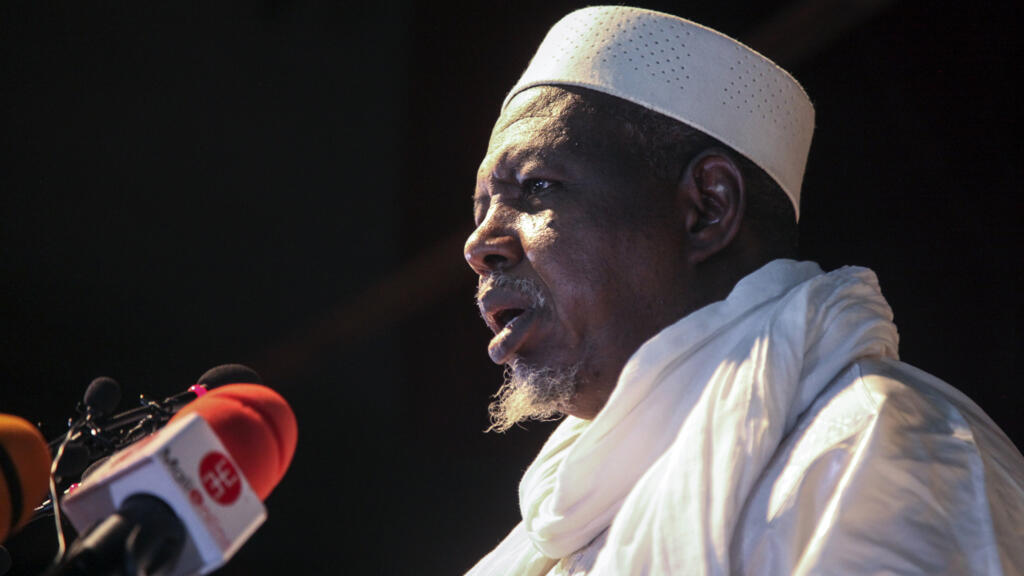
Hamma Ag Mahmoud, a former minister under Mali’s military regime of the late 1980s, has officially joined the Coalition of Forces for the Republic (CFR), led by influential imam Mahmoud Dicko. His decision marks a significant shift in the country’s political landscape, as he steps away from his long-standing role as a mediator in the 2015 peace agreement with the Azawad National Liberation Movement (MNLA).
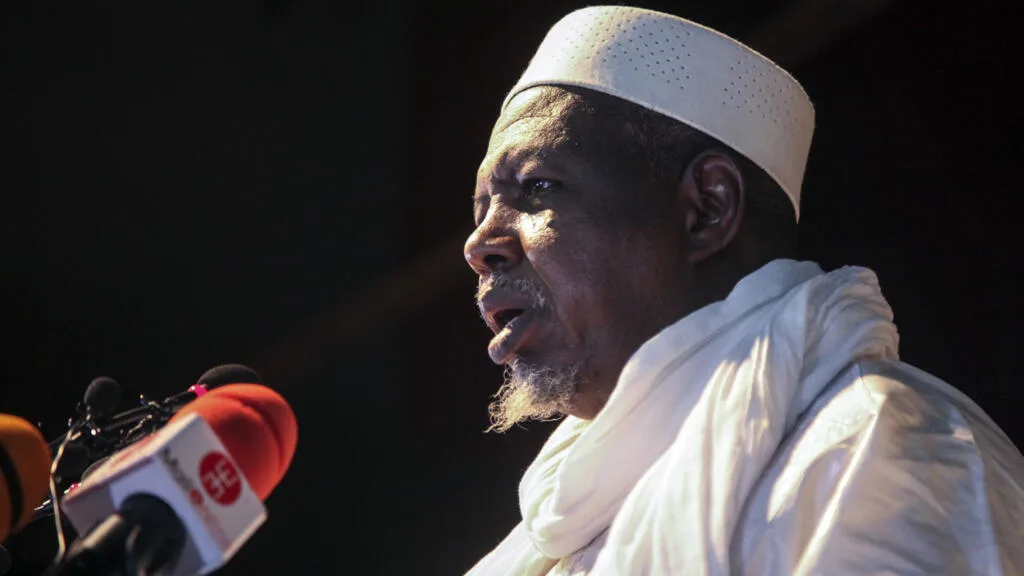
A call for unity in Mali’s fractured political climate
Since relocating to Mauritania in 2011, Hamma Ag Mahmoud has remained a vocal advocate for national reconciliation. His decision to align with the CFR comes at a time when Mali faces deepening instability and growing frustration among its citizens. «The political class has failed the people», he asserts. «What Mali needs is a unified vision where every citizen can participate. The CFR has taken the initiative—now, all Malians must come together to organize a national conference that corrects past mistakes.»
Ag Mahmoud’s political journey spans decades, from serving as Minister of Labor and Civil Service under General Moussa Traoré to overseeing regional administrations in Sikasso, Koulikoro, Ségou, Gao, and Tombouctou. His involvement in the MNLA’s 2012 rebellion and subsequent peace negotiations underscores his long-standing engagement with Mali’s most pressing crises.
Dialogue with armed groups: a path to peace or a risky gamble?
Public skepticism toward negotiations with armed factions—particularly the Jama’at Nusrat al-Islam wal Muslimin (JNIM), an al-Qaeda affiliate—remains high. Many fear that engaging with these groups could legitimize their influence or even lead to the country’s fragmentation. Ag Mahmoud, however, disagrees. «Including these groups in a shared national project could put an end to the violence», he argues. «Restoring good governance would eliminate the need for rebellions or jihadist movements.»
Challenging the status quo
Over recent months, JNIM has attempted to rebrand itself as a political actor, framing its actions as a defense of sovereignty and local populations. Yet its ultimate goal—imposing Sharia law—remains unchanged. The question persists: Can negotiations with a group advocating for such principles ever align with the values of a republic?
Ag Mahmoud believes reconciliation is possible. «Democracy’s core principles—equality, justice—must be applied inclusively, with all Malians at the table», he states. His stance reflects a broader debate about whether Mali’s future lies in dialogue or continued confrontation.

More Stories
Niger: Tiani faces fallout from special forces anger after Russian intervention
Mali : 17 morts dans les rangs des dozos, le JNIM accentue sa pression
Sahel : le pari des juntes tourne-t-il à l’échec sécuritaire ?