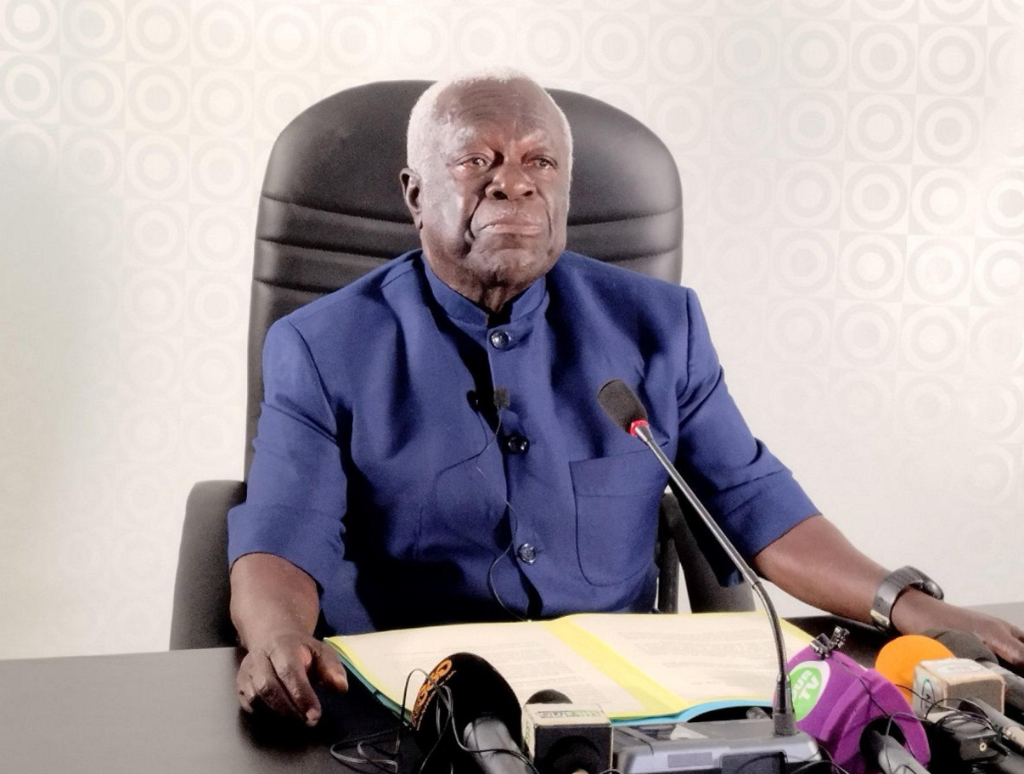
The childhood football tragedy that exposed Gabon’s unbalanced justice system
A single gunshot during a youth football match in Libreville has escalated into a national reckoning over whether Gabon’s powerful can still evade accountability. On November 13, 2026, Jean-Boniface Assélé, a former police general and multiple-term minister under Omar Bongo, allegedly fired his hunting rifle at adolescent players, critically wounding 12-year-old Jason Merlin Midioko—known as Dylan. The incident at Sibang’s Augustin-Monedan Stadium has ignited protests under the hashtag #JusticeForDylan and forced the nation to confront a troubling question: does influence still outweigh the rule of law in Gabon?

Gabon’s most powerful face the harsh reality of the courts
Assélé, 87, once commanded Gabon’s police force and served as a key figure in Omar Bongo’s government. He held portfolios including Interior and Defence, was a long-serving parliamentarian, and led the Cercle des Libéraux Réformateurs. Yet on November 16, his past could not protect him. After voluntarily surrendering to judicial authorities, he was remanded in custody at Libreville’s central prison in Gros-Bouquet on charges of attempted murder and illegal firearm possession. The decision was a symbolic blow to Gabon’s legacy of elite impunity and a signal that no profile is immune from prosecution.
What happened on the Sibang football field?
According to prosecutors, Assélé arrived at the stadium in a vehicle driven by his son during a community football match. After ordering the youths to leave, he allegedly discharged his 16-gauge shotgun. One round struck Dylan in the right flank, causing severe internal injuries. Police investigations indicate he left the scene before returning hours later to turn himself in. The case file now includes witness statements, forensic findings, and digital evidence being analyzed by examining magistrates.
Dylan’s fight for life and the scars left on a nation
Dylan was rushed to the Mère-Enfant Fondation Jeanne-Ebori University Hospital. He underwent emergency surgery, was admitted to ICU, and required ongoing specialist care due to a projectile lodged near his spine. The President of Gabon, Brice Clotaire Oligui Nguema, visited Dylan in hospital and ordered full coverage of his medical evacuation and treatment. The Ministers of Social Affairs and Health mobilized a multidisciplinary support team for the family, reflecting the gravity with which the state views the case.
Public outrage reshapes Gabon’s debate on justice
The incident has dominated headlines and social media, with citizens sharing their outrage under the #JusticeForDylan campaign. Many question whether Assélé’s status—long intertwined with the corridors of power—will shield him from a full trial. The public reaction mirrors growing frustration with perceptions that elites continue to receive preferential treatment, despite official assurances of equality before the law. The president’s public statement—“justice is the same for everyone”—has been both welcomed and scrutinized as a watershed moment in national discourse.
From Sibang to Gros-Bouquet: the fall of a Gabonese institution
The remand of a former police commander and five-time minister into a cramped prison cell marks a dramatic departure from his decades of influence. His family, the Assélé Dabani clan, has expressed deep regret and initiated support for Dylan’s recovery. Yet the judicial process remains in its early stages, with the investigating judge now tasked with reconstructing the events of that afternoon: what prompted the gunshot, what warnings were given, and whether others contributed to the tragedy. Assélé, like all defendants, remains presumed innocent until proven guilty—but the courtroom doors have closed behind him, and formal charges may follow.
What’s next for Dylan, Assélé, and Gabon?
Dylan continues his slow recovery in a medical facility under close observation. Assélé awaits further judicial proceedings inside Libreville prison, a facility synonymous with both disciplinary power and the limits of privilege. The case has become a flashpoint, testing Gabon’s commitment to equal justice. As the investigating phase intensifies, families across the nation watch—not only for Dylan’s healing, but for a verdict that could redefine how Gabon treats its powerful. One truth is now undeniable: in the Republic of Gabon, power no longer guarantees protection from the law.