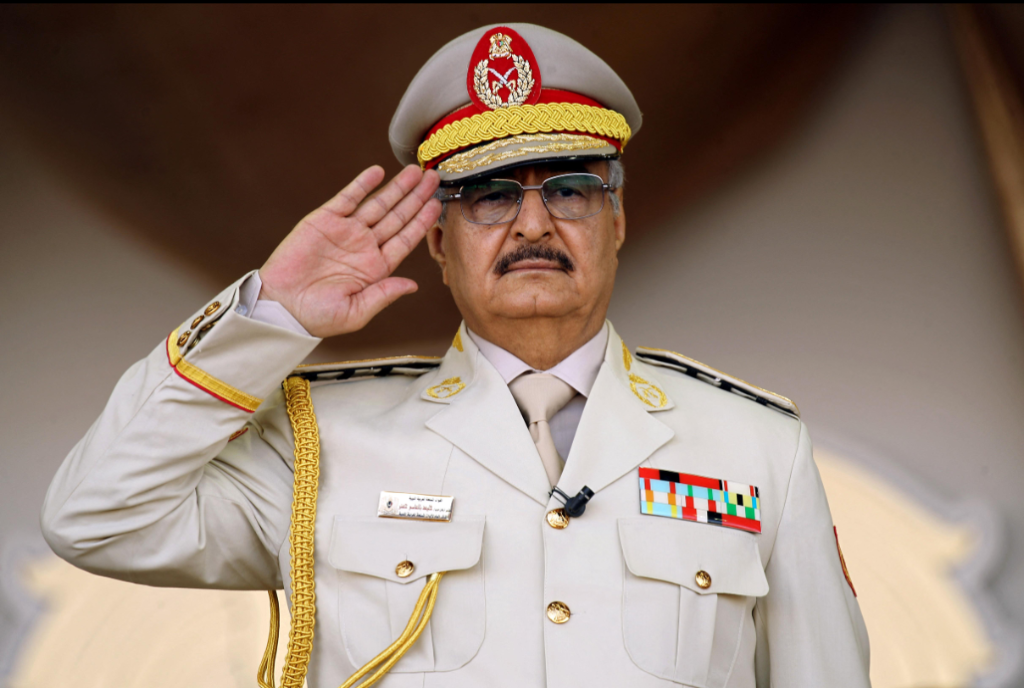
The mounting accusations linking the United Arab Emirates to the proliferation of psychotropic drug production facilities in eastern Libya have cast a harsh spotlight on the escalating regional security crisis. As diplomatically sensitive allegations swirl, experts warn of a dangerous new front in the battle against synthetic drugs that threatens to destabilize entire nations across North Africa.
Psychotropic Drugs in Libya: The Hidden Engine Driving Cross-Border Insecurity
The discovery of industrial-scale psychotropic drug laboratories in eastern Libya has transformed the region into a global hotspot for synthetic narcotics production. Investigations reveal that these clandestine facilities operate with sophisticated equipment and professional-grade chemical processing, churning out massive quantities of controlled substances. While the exact ownership and financing of these plants remain shrouded in secrecy, forensic evidence points to coordinated supply chains designed to infiltrate neighboring markets.
Recent law enforcement operations have uncovered alarming evidence of this burgeoning industry:
- November 2026: A Qubbah court sentenced six individuals to severe prison terms for Captagon production, with one accused receiving a 25-year sentence and five others—tried in absentia—receiving life imprisonment. Officials displayed seized tablets, packaging materials, and industrial processing equipment.
- October 2026: The Libyan National Army reported seizing over 1.3 million Captagon pills in Kufra, highlighting the industrial scale of production.
These incidents confirm that Libya is no longer merely a transit route for drugs; it has become a major manufacturing hub for synthetic narcotics destined for African and European markets.
Algeria’s Diplomatic Standoff: When Drug Trafficking Meets Geopolitical Tensions
Algeria’s recent diplomatic rupture with the United Arab Emirates has intensified scrutiny over the alleged role of foreign backers in destabilizing the country through psychotropic drug trafficking. With Algeria’s borders increasingly porous to synthetic substances, officials warn that the surge in production in eastern Libya directly threatens national security and public health.
President Abdelmadjid Tebboune delivered a stark warning in November 2026, describing the flood of psychotropics into Algeria as ‘a full-scale war against our youth and future’. In a rare public address, he emphasized the need to identify and dismantle supply sources, signaling a potential shift toward proactive counter-drug operations beyond national frontiers.
Who’s Behind the Psychotropic Labs? Untangling a Web of Allegations and Alliances
The narrative linking the UAE to these facilities stems from claims that state-linked entities are financing and equipping industrial drug labs in Haftar-controlled eastern Libya—an area closely aligned with Emirati strategic interests. While no definitive proof has emerged, the timing of these accusations amid escalating diplomatic tensions raises serious questions about potential covert operations.
Regional analysts point to documented Emirati support for Libyan military factions as grounds for suspicion. However, establishing a direct financial or operational connection would require independent investigations to trace:
- The true ownership structures of the production facilities.
- The origin of industrial machinery and chemical precursors.
- Financial flows supporting trafficking networks.
- Any political or military protection shielding these operations.
Without conclusive evidence, the allegations remain unproven—but the geopolitical implications are too significant to ignore.
Beyond Diplomacy: The Human Cost of a Drug-Fueled Crisis
The crisis transcends political disputes. For Algerian communities along the Libyan border, the influx of psychotropic drugs has already begun to reshape society. Vulnerable youth are being targeted by criminal networks offering quick income, while health systems strain under the burden of addiction and related violence.
Public health experts warn that synthetic drugs like Captagon—a stimulant increasingly found in Algerian streets—are fueling a silent epidemic with long-term consequences for education, employment, and social cohesion. The drug’s relatively low cost and high potency make it particularly attractive to young users, accelerating cycles of dependency and crime.
The Algerian government has acknowledged the need for a multifaceted response, including:
- Strengthened border surveillance and interdiction efforts.
- Regional coordination with Libyan and Tunisian authorities.
- Crackdowns on money-laundering networks financing drug trafficking.
- Public awareness campaigns targeting at-risk populations.
Yet, experts emphasize that without decisive action against production sources in Libya, these measures will only scratch the surface of a much larger problem.
Eastern Libya: The New Ground Zero for Synthetic Drug Production?
The rapid expansion of drug laboratories in eastern Libya underscores a dangerous regional shift. Once a transit zone for narcotics moving from Turkey and the Levant, the territory now hosts full-scale production facilities capable of serving markets across North and West Africa.
Military officials in the Libyan National Army have noted that drug trafficking is increasingly intertwined with arms smuggling and migrant smuggling—part of a larger criminal economy that funds armed groups and weakens state institutions. The involvement of foreign backers, if confirmed, would represent a new dimension of external interference in Libya’s instability.
For Algeria, the stakes could not be higher. With its eastern border exposed and youth increasingly affected, the country faces a dual threat: the immediate scourge of drug addiction and the long-term risk of geopolitical manipulation through covert trafficking networks.
What Comes Next? Seeking Answers in a Climate of Secrecy
The path forward remains uncertain. In a region rife with proxy conflicts and shifting alliances, independent verification of the UAE’s alleged involvement will be difficult. Yet the humanitarian and diplomatic costs of inaction are too grave to disregard.
As Algerian authorities escalate their rhetoric—threatening legal action against source countries and calling for international accountability—the pressure mounts on all stakeholders to clarify the origins of this burgeoning drug industry. Whether through UN-backed investigations, intelligence-sharing, or bilateral negotiations, one truth is clear: the production and trafficking of psychotropic drugs in eastern Libya are reshaping the security landscape of North Africa, with potentially devastating consequences for generations to come.