Gabon faces tough parliamentary grilling on national priorities
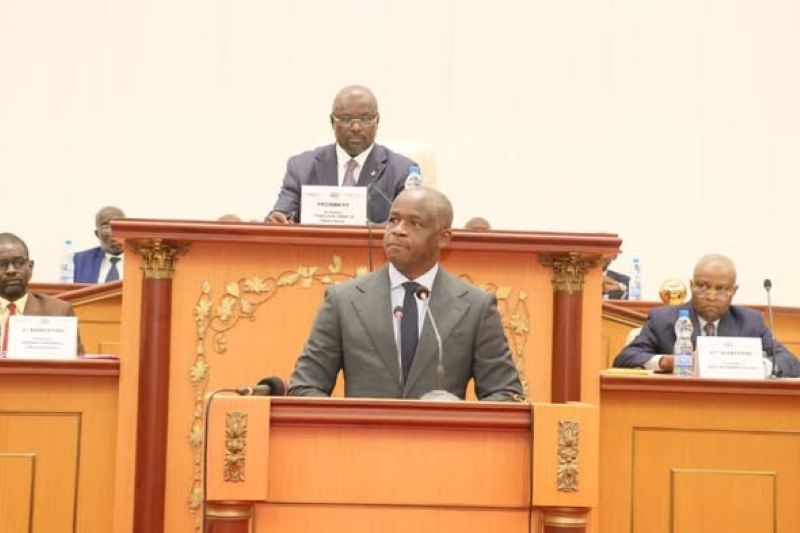
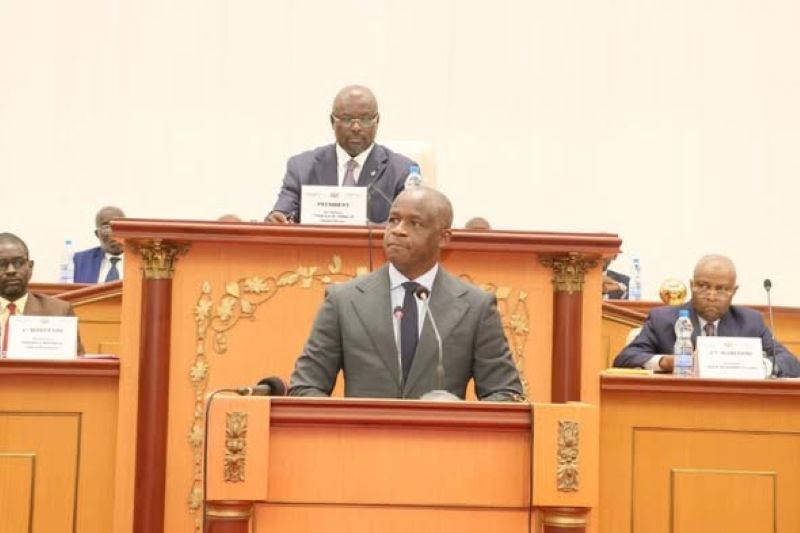
Libreville, June 3, 2026 — At the National Assembly, Gabonese lawmakers subjected the government to a rigorous examination of national priorities. Behind the formal parliamentary proceedings lay a deeper test of governance, as deputies tackled pressing issues ranging from youth protection to economic sovereignty.
The latest session of oral questions marked the first major parliamentary intervention since the 14th legislature began. Elected representatives used the forum to highlight persistent challenges in purchasing power, education, health, security, employment, and economic independence. Nearly twenty questions were directed at cabinet members during the proceedings at the Léon Mba Palace, ahead of the upcoming National Parliament Congress on June 15, where President Brice Clotaire Oligui Nguema will deliver his State of the Nation address.
The youth crisis: drugs, education, and national stability
Concerns about drug abuse in schools dominated the debate. Vice President Hermann Immongault acknowledged the severity of the issue after being questioned by Sixth Vice President Huguette Tsono. While stressing the government’s commitment to safeguarding the education system, the discussion underscored a broader crisis: with youth comprising the majority of Gabon’s population, combating addiction is not just an educational issue but a cornerstone of national stability and future development.
Education reform also took center stage. Minister of State Camélia Ntoutoume-Leclercq assured lawmakers, including Deputy Dorland Chancely Olengué, that the government’s reforms were progressing on schedule. Yet the pressure remains immense, as families demand tangible improvements while systemic change requires long-term commitment.
Economic sovereignty: from local production to industrial transformation
Economic policy emerged as another pivotal theme. The phased ban on imported chicken has sparked debate about public policy direction. Agriculture Minister Pacôme Kossy framed the measure as part of a broader effort to build a robust domestic poultry industry, reduce food dependency, and create jobs. This move reflects a deliberate shift toward local production and value retention within Gabon’s borders.
Mining reform followed a similar logic. Mines Minister Sosthène Nguema Nguema announced a ban on raw manganese exports, signaling a strategic move to capture greater value from the country’s natural resources. This policy aligns Gabon with a growing trend across African nations that are seeking to industrialize their extractive sectors rather than simply exporting raw materials.
Everyday struggles: identity documents, pensions, and social inclusion
Daily administrative hurdles also surfaced during the session. Concerns about delays in issuing national identity cards and passports were raised with Interior Minister Adrien Nguema Mba, particularly for inland communities where access to public services remains a persistent challenge. Social protection issues—including pensions, healthcare coverage, support for people with disabilities, and single mothers—were addressed with Social Affairs Minister Armande Longo épouse Moulengui, reminding all that economic growth alone cannot address the lived realities of Gabonese citizens.
Parliament reclaims its oversight role
Beyond ministerial responses, the session signaled a resurgence of the National Assembly as a forum for public debate. By addressing issues from food security and industrial transformation to education, health, and administrative governance, deputies reaffirmed their constitutional duty to hold the executive to account. National Assembly President Michel Régis Onanga Ndiaye closed the proceedings by emphasizing the significance of the upcoming Parliament Congress, a key political milestone to assess progress on major reforms initiated during the Transition.
This first oral question session of the 14th legislature served as a revealing moment. It exposed a nation in the throes of deep transformation—yet one still burdened by unmet social expectations. Gabon’s government now faces a dual challenge: delivering on ambitious economic and institutional reforms while visibly improving the daily lives of its people. The credibility of public action in the coming months will hinge on tangible results—especially in a context where citizens expect far more than promises.