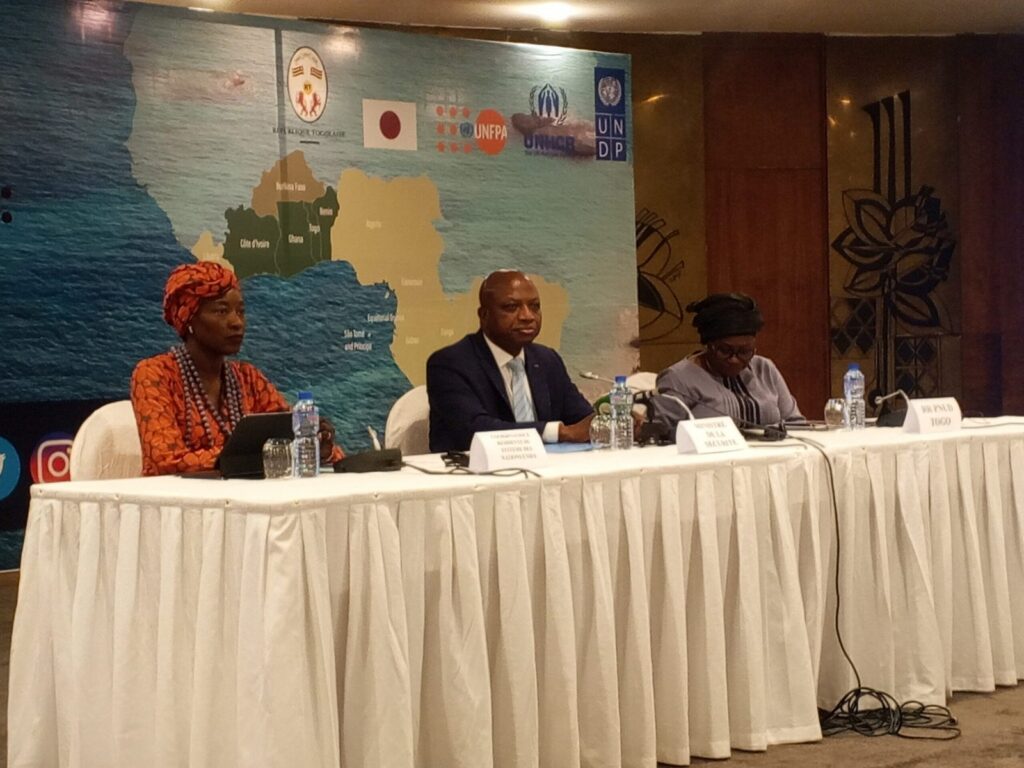
The Gulf of Guinea is currently hosting a pivotal regional dialogue in Lomé, bringing together government officials, regional bodies, UN agencies, technical partners, and community leaders. The three-day meeting, which began on June 3, 2026, focuses on strengthening preventive measures to address the growing security threats facing West Africa.

Confronting multifaceted threats in the Gulf of Guinea
The opening address by Togo’s Minister of Security, Calixte Madjoulba, laid bare the region’s escalating challenges. Violent extremism, transnational organized crime, illicit trafficking, unregulated arms circulation, and communal tensions are increasingly destabilizing the area. Climate change further exacerbates these pressures, straining local economies and social fabrics.
Adding to these pressures is the ongoing Sahel crisis, which has triggered large-scale population displacements, placing additional strain on host communities and local resources.
Togo advocates for a holistic security approach
Minister Madjoulba underscored a critical reality: no single nation can tackle these threats alone. He emphasized that sustainable security demands a comprehensive strategy—one that transcends military responses to address root causes.
« Security cannot rest solely on enforcement measures, » he stated. « It must be built on prevention, development, and social cohesion. » This principle guides Togo’s national policy, championed by President Faure Essozimna Gnassingbé.
Three pillars of Togo’s security strategy
The minister outlined the government’s « Protect, Unite, Transform » triad, which frames its public policy:
- Protect: Safeguard populations and uphold peace.
- Unite: Foster dialogue, rebuild trust between citizens and institutions, and strengthen social cohesion.
- Transform: Address systemic vulnerabilities by spurring economic opportunities, reducing inequalities, and building resilient communities.
From dialogue to tangible action
The Lomé gathering, themed « From Commitment to Impact », signals a shift from rhetoric to measurable results. Participants are urged to move beyond declarations and deliver solutions that resonate with local realities.
« Communities deserve effective, context-specific responses, » Madjoulba asserted. « They need mechanisms that preempt crises, prevent conflicts from taking root, and bolster long-term resilience. »
UN support for regional resilience
The minister also highlighted the pivotal role of UN agencies—including the UNDP, UNFPA, and UNHCR—in backing the Gulf of Guinea’s prevention agenda. Through the 2026–2029 Joint Prevention Facility, these partners are investing in community resilience, inclusive economic growth, and cross-border collaboration.
Charting a regional roadmap for peace
By the end of the two-day forum, delegates are expected to finalize a regional roadmap. This plan will prioritize enhanced prevention mechanisms, stronger transnational cooperation, sustainable financing, and improved monitoring of initiatives.
Lomé’s message is unequivocal: in a region grappling with intertwined challenges, prevention is the most cost-effective investment for peace, security, and sustainable development. Anticipating crises is not just prudent—it’s the cornerstone of a stable future for all.