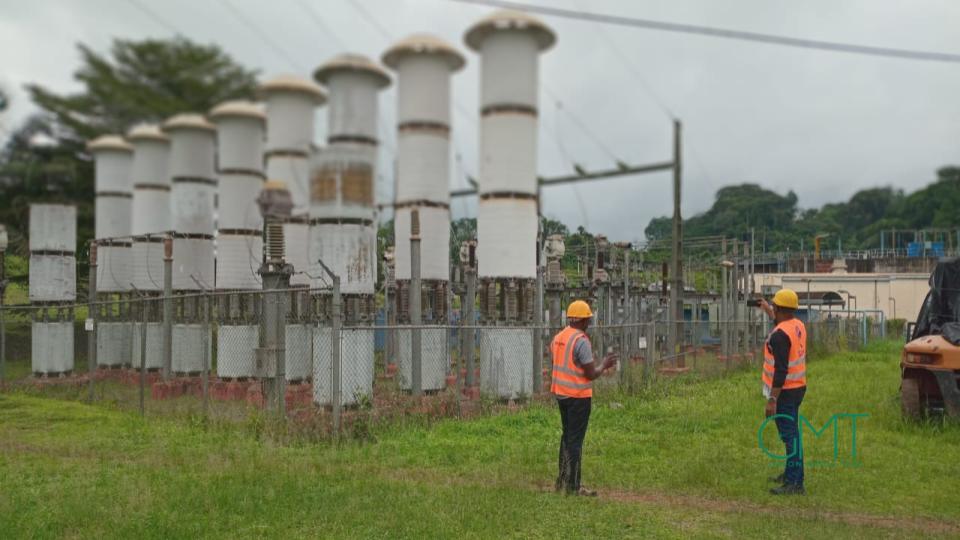
The first quarter of 2026 has exposed a severe energy crisis in Gabon, with electricity generation plummeting by 20.1% compared to the same period last year. A report from the Directorate-General for Economic and Fiscal Policy (DGEPF) reveals an even steeper decline of 13.2% from the previous quarter, signaling deep-rooted systemic weaknesses in the national power infrastructure.
Behind these alarming figures lie repeated equipment failures, as highlighted in the sectoral report. The primary culprit? A chronic lack of investment in routine maintenance. While officials describe the issue in bureaucratic terms, the reality is stark: years of deferred upkeep have left the country’s power grid vulnerable to breakdowns, leaving households and businesses grappling with unreliable energy supply.
Power cuts disrupt water supply across Gabon
The ripple effects of the energy crisis extend far beyond darkened homes and stalled appliances. The DGEPF report uncovers a dangerous domino effect: frequent power outages are now crippling the country’s water production systems. Damaged mechanical seals, failing booster pumps, and electrical surges are wearing down critical components at an unsustainable rate. The result? Potable water shortages for thousands of families, as the country’s two fundamental utilities—electricity and water—become mutually dependent on each other’s stability.
This interdependence underscores a harsh truth: the current crisis is no longer confined to energy supply. It has evolved into a full-blown threat to essential public services, jeopardizing both daily life and economic stability. Without urgent, large-scale modernization efforts, Gabon risks sinking deeper into a cycle of widespread infrastructure failures with no clear end in sight.



More Stories
Ivory Coast’s Baleine deal: how SOCAR’s 10% stake will hit jobs, revenue and energy bills
Benin’s 60-37 AirBadminton win over Algeria: what it means for the tournament and the sport’s growth
Togo: how a journalist’s sanction resonates far beyond newsrooms