Gabon’s democratic shift: Oligui Nguema embraces truth as governance tool
Libreville, June 3, 2026 – In a political landscape where public discourse often oscillates between blind allegiance and cautious hesitation, Gabonese President Brice Clotaire Oligui Nguema has reignited a crucial conversation about governance: the unfiltered relationship between power and citizenry.
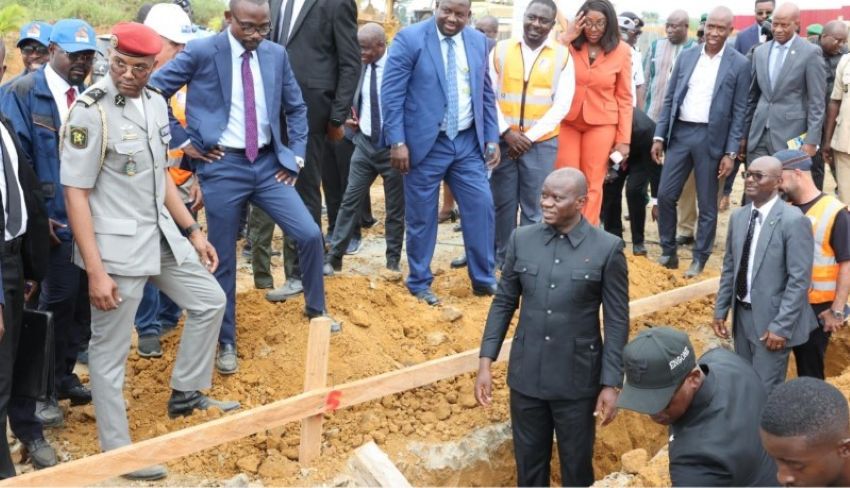
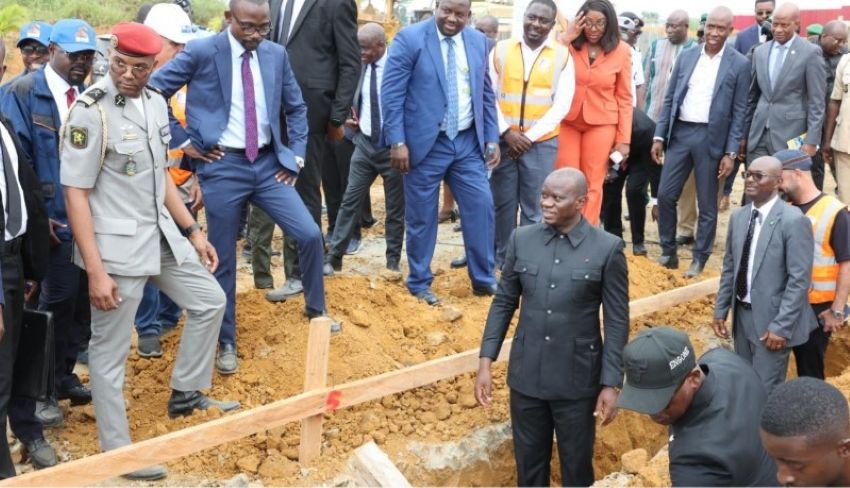
During the groundbreaking ceremony for 3,100 new housing units in Bikélé, the Head of State made a striking statement to journalist Chamberlain Moukouma. He argued that a leader must welcome not just applause, but also sincere criticism when it serves the greater good of correcting public policy. This stance transcends political rhetoric, touching the very core of democratic accountability.
Breaking free from the culture of unquestioning approval
By asserting that he needs to hear when he errs to improve, President Oligui Nguema challenges Gabon’s long-standing tradition of automatic validation of authority. His words signal a rare departure from institutional discourse, framing constructive criticism as a cornerstone of effective leadership.
In this framework, relentless applause is no longer a sign of political vitality but a potential blind spot. The President implicitly urges a fundamental shift in the dynamic between leaders and citizens—a shift built on transparency and shared responsibility.
This vision rests on a critical principle: national progress cannot thrive on complacency but demands an honest evaluation of public actions, celebrating successes while addressing shortcomings.
Criticism as a catalyst for nation-building
The President’s declaration elevates a frequently overlooked concept: the role of constructive criticism in governance. Far from being an act of opposition, it is framed as a civic duty essential to the public interest.
Here, public debate transforms into a space for continuous improvement rather than a battleground for divisive confrontation. A mature society, in this view, distinguishes progress from stagnation, actively contributing to better governance.
However, this approach requires a cultural shift. It calls for citizens, media, and social actors to embrace objectivity, responsibility, and a shared commitment to the common good. Criticism is not an end in itself but a tool to refine public policies.
Redefining political dialogue
Beyond the statement, President Oligui Nguema appears to advocate for a governance model rooted in active listening, where citizen feedback becomes a strategic compass for decision-making.
In this model, national development is no longer solely driven by top-down state policies but by an ongoing exchange between leaders and citizens. This balance demands both recognition of progress and an unwavering demand for improvement.
The interview conducted by Chamberlain Moukouma, shared widely on social platforms as a civic education initiative, further reinforces this push for a more informed and responsible public sphere.
Ultimately, the President’s remarks invite Gabon to embrace a new political culture built on three pillars: applaud progress when deserved, critique when necessary, and always act in the nation’s best interest.
In a climate often dominated by performative politics, this call for truth and shared accountability stands as a litmus test for democratic maturity. It positions citizens not as passive observers of power but as active participants in its continuous refinement.