Gabon’s new diplomacy: turning promises into economic gains
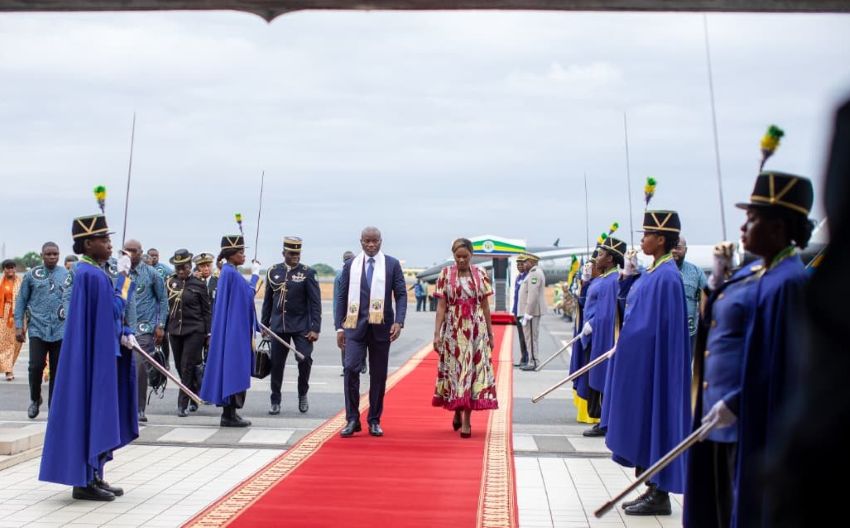
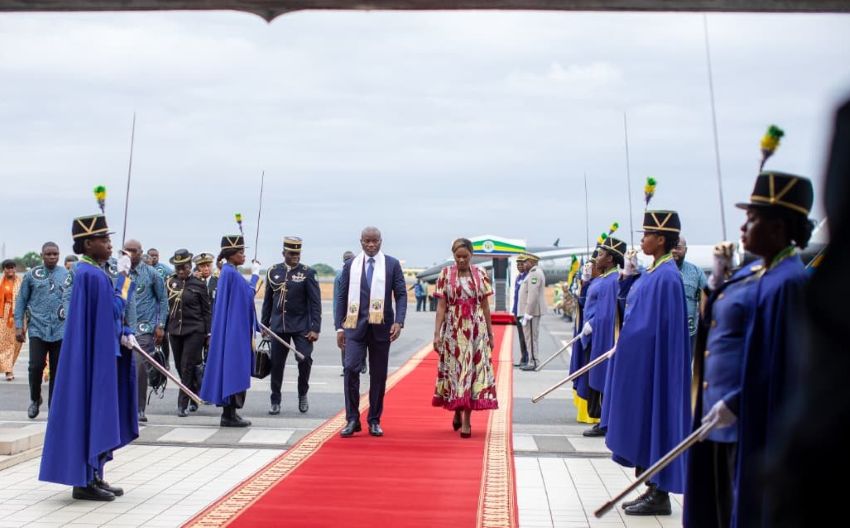
Libreville, August 8, 2026 — From July 27 to August 7, Brice Clotaire Oligui Nguema embarked on an African tour that went beyond traditional diplomacy. Upon his return to Libreville yesterday, the Gabonese head of state now faces a more demanding phase.
After handshakes, high-level meetings, and signed agreements, the true test begins. Success will no longer be measured by the number of discussions held but by the ability to convert these commitments into tangible investments, infrastructure, jobs, and economic opportunities for Gabon.
Diplomacy with tangible outcomes
The diplomatic engagements were extensive. Beyond political exchanges, the focus shifted to infrastructure, energy, agriculture, workforce training, trade, and investment. This shift marks a significant evolution in Gabon’s foreign policy approach—no longer just about representation but about leveraging diplomacy as a tool to accelerate economic transformation.
For example, the visit to Côte d’Ivoire demonstrated this new strategy. In Abidjan, President Oligui Nguema toured industrial and urban projects, inspected key infrastructure, and engaged with economic actors like NSIA and Aurion Capital—placing investment and energy at the center of discussions.
This approach aligns with Gabon’s broader goals of diversifying its economy and maximizing its resources. Diplomacy is now inseparable from the pursuit of capital, technology, skills, and markets. The presidential tour served not only to strengthen state relations but also to position Gabon as an attractive business destination.
From African solidarity to economic interdependence
The vision behind this tour emphasizes Gabon’s role in continental integration based on mutual economic interests. Côte d’Ivoire served as a case study—demonstrating how infrastructure development, industrialization, and private sector mobilization can reshape a nation’s economic weight in West Africa.
Observing Ivorian factories, transportation systems, and urban planning, President Oligui Nguema sought more than just diplomatic courtesy. He sought actionable models to guide Gabon’s own development choices, transforming cooperation from mere state-to-state friendship into a platform for learning, financing, industrial partnerships, and skills transfer.
From promises to measurable impact
The return to Libreville marks the end of the tour but the beginning of accountability. A results-driven diplomacy cannot be judged by the number of agreements signed. It must be evaluated on concrete outcomes: How many investments will materialize? How many jobs will be created? Which projects will break ground? How much technology will be transferred? What new markets will open for Gabonese businesses?
This is where the real challenge lies. While the tour strengthened Gabon’s diplomatic positioning and opened new cooperation avenues, the true test of its success will be its impact on the economy and daily life.
The return of Oligui Nguema symbolizes a blend of national pride and continental openness. But symbols alone are insufficient. The next chapter will be measured not by the distance traveled but by the projects realized. Gabon now has a diplomatic window to attract partners, negotiate investments, and adopt best practices from thriving African economies. The question remains: Can this new diplomacy become the engine of economic transformation?
The challenge is clear: Move beyond using diplomacy as a showcase for Gabon and transform it into a primary driver of development.
More Stories
Burkina Faso’s shrinking public payroll: a household burden as schools reopen
Simporé’s televised admission: can Burkina Faso’s army still hold the line?
Gabon’s ghost worker purge: can 11 billion CFA francs in savings really reach the people?