Global health crisis: nurses demand urgent payment in Ebola fight
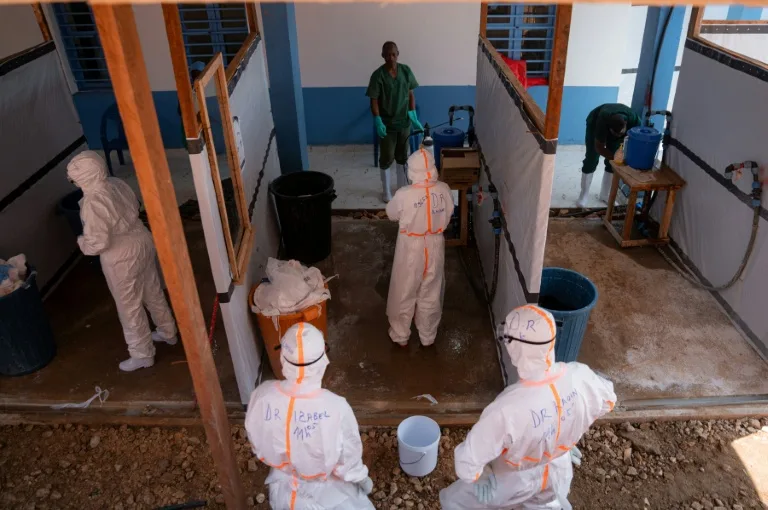
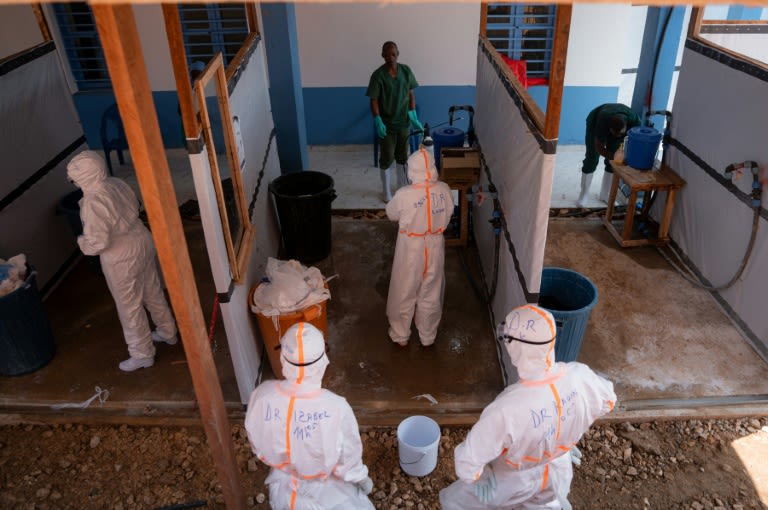
The International Council of Nurses (ICN) has urgently called on Congolese authorities to compensate and protect healthcare workers battling the Ebola outbreak in the Democratic Republic of Congo. In a statement released Friday, the ICN emphasized that without fair remuneration, the fight against the virus cannot be sustained effectively.
The DRC declared its 17th Ebola outbreak on May 15, yet three months later, the health response remains critically underfunded. Healthcare facilities in one of the world’s poorest nations struggle with severe shortages, hampering efforts to contain the virus.
“It is impossible to combat Ebola without paying those on the front lines,” warned Howard Catton, ICN CEO, whose organization represents over 140 national nursing associations and more than 30 million nurses worldwide. He stressed that frontline workers, including nurses and other medical staff, have gone unpaid for two to three months.
“Nurses risk their lives daily to protect communities, often at great personal cost, yet months into this crisis, many have yet to receive their salaries,” Catton added.
The ICN, established in 1899 and headquartered in Geneva, has formally written to the DRC’s Health Minister, Roger Kamba, demanding immediate action to address payment delays and ensure the safety of healthcare personnel.
In addition to back pay, the council is urging authorities to guarantee regular future payments, provide adequate personal protective equipment (PPE), secure insurance coverage, and implement other essential protections for health workers.
Ebola outbreak escalates in Democratic Republic of Congo
The current Ebola outbreak has already become the second-deadliest on record in the DRC, with over 2,128 deaths and 4,566 confirmed cases reported within just three months. This surge surpasses the initial phase of the historic 2014–2016 West Africa Ebola epidemic, according to Africa CDC data.
The Africa CDC and WHO launched a joint preparedness and response plan in early June, requiring $518 million in funding. However, only $264 million has been mobilized to date, highlighting critical financial gaps in the response effort.
Vaccine challenges and urgent research needs
No specific vaccine or treatment exists yet for the Bundibugyo Ebola variant driving the current outbreak. In the absence of targeted solutions, the WHO has urged expedited clinical trials using the Ervebo vaccine, currently approved for the Zaire strain.
“We are finalizing the protocol for submission to DRC regulatory authorities for review,” said Vasee Moorthy, WHO’s R&D lead, in a recent statement.
As the crisis deepens, global health leaders warn that without sufficient funding, resources, and support for frontline workers, the outbreak could spiral further out of control.
More Stories
Can Benin’s voice in Bucharest reshape the future of francophone social dialogue?
Niger’s sovereignty claim: can a UN speech hide the SOMAÏR and SONIDEP collapse?
Can South Africa halt the bloodshed after 27 lives lost in Johannesburg and Cape Town?