From port to prosperity: the economic ripple effect reshaping Benin’s future
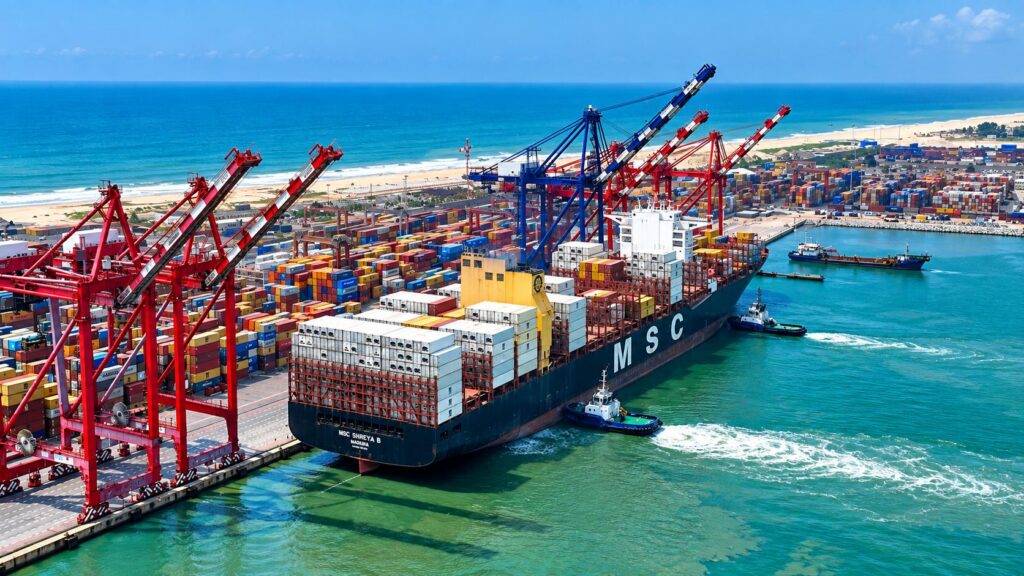
The Port of Cotonou isn’t just a gateway—it’s becoming Africa’s silent economic catalyst. With a surge in infrastructure upgrades backed by the European Union and Belgian cooperation, Benin is transforming its role from a regional player into the central nervous system of West African trade. For landlocked Niger, highly dependent on secure port access, this evolution is nothing short of revolutionary. But the consequences stretch far beyond borders: prices, supply chains, and even the daily lives of millions across the region are now in flux, as Benin stakes its claim as the continent’s next logistics powerhouse.
Thirty Million Euros and a New Vision: What the Investment Really Means
Backed by a 30-million-euro commitment from international partners, Benin’s logistical transformation is no small ambition. The European Union and Enabel, Belgium’s development agency, have launched two coordinated programs—Cotoni and Proport—that aim to overhaul the 729-kilometer stretch from Cotonou to Niamey. This isn’t just about smoother roads; it’s about building an artery that pumps life into trade, reduces delays, and cuts costs for everyone from farmers to factory owners.
Rebuilding the road: from dust to digital corridors
The Cotoni program—named after the corridor it serves—focuses on four critical areas. First, governance: ensuring funds last, and roads stay maintained long after inauguration. Second, security: protecting transporters from theft and unnecessary delays. Third, integration: linking local supply chains to regional networks, especially in agriculture. And fourth, customs modernization: streamlining borders to eliminate bottlenecks that have choked trade for years.
The domino effect: why this corridor touches lives from Cotonou to Kano
Benin’s improved roads don’t stop at Niamey. They extend toward Nigeria, creating a seamless route for goods moving inland. The vision aligns with broader regional trends—especially the upcoming Abidjan-Lagos highway, slated for partial opening by 2030. Together, these corridors could slash transport times, reduce spoilage for perishable goods, and help stabilize food prices across West Africa. For farmers in the Sahel, this means better market access. For consumers in Niamey or Lagos, it could mean cheaper goods on store shelves.
Customs in the 21st century: the fight against time and red tape
Delayed paperwork, arbitrary fees, and long queues have long stifled commerce in the region. Benin is tackling this head-on. By improving coordination at border crossings and digitizing clearance processes, the country aims to cut transit times by up to 40%. That translates directly into cost savings—for transporters, importers, and ultimately, everyday citizens who rely on imported goods. In a year where inflation pressures remain high, faster logistics aren’t just efficient—they’re a lifeline.
Trade Expo 2024: where policy meets practice in Cotonou
From November 12 to 14, the Transport Logistique Cotonou (TLC) exhibition will showcase the future of African freight. Over 2,000 regional business leaders, logistics providers, and policymakers will gather to debate innovation, policy, and integration. Visitors will tour the Port of Cotonou, walk the docks, and witness the machinery behind Benin’s logistics leap. It’s more than a trade show—it’s a declaration: West Africa’s supply chains are evolving, and Cotonou is leading the charge.
What’s at stake: growth, stability, and the next decade of trade
Benin’s bet on logistics isn’t just about port traffic—it’s about reshaping the economic map of West Africa. A more connected Niger means more stable supply of fuel, medicine, and food. A smoother corridor to Nigeria could reduce pressure on the congested Lagos-Abidjan route. And for Benin itself, becoming the continent’s go-to transit hub could unlock billions in new trade, investment, and jobs. But the window to act is narrow. As global supply chains fragment and regional competition heats up, Benin’s moment is now—and the cost of delay could be measured in lost opportunity for millions.


More Stories
Burkina Faso refugee crisis: Lomé agreements face test of real-world impact on returnees
Niger’s spiral of distrust: how Tiani’s purges deepen the crisis hurting millions
Niger hostage crisis exposes deepening security collapse and human cost