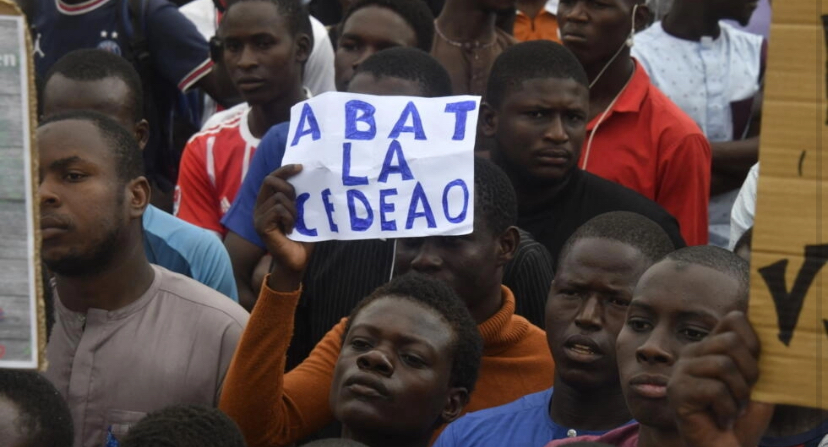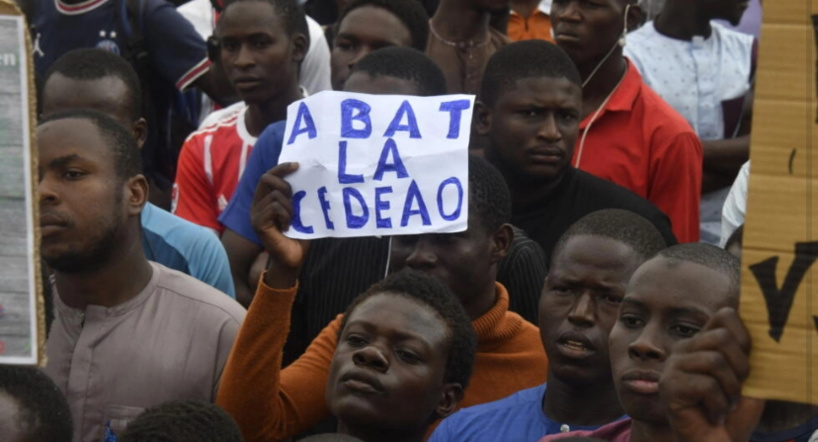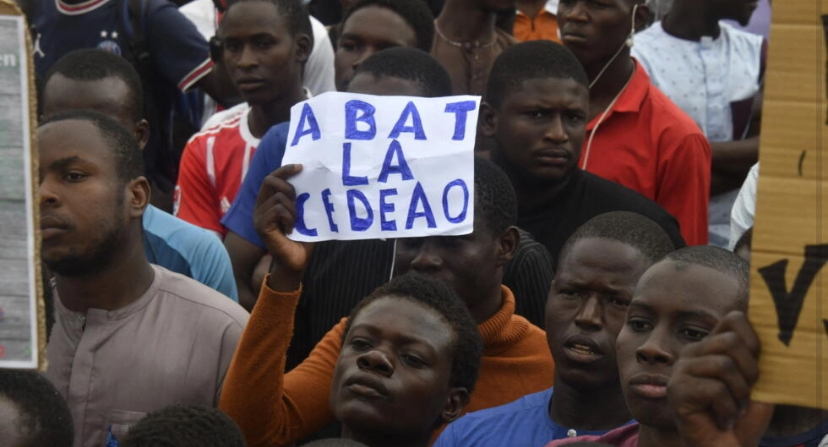
The anticipated departure of Mali, Niger, and Burkina Faso from ECOWAS raises serious concerns about the future of human rights protections in the region. As these nations consider severing ties with the regional bloc, citizens may lose a critical avenue to seek justice through the ECOWAS Court of Justice.
Ilaria Allegrozzi, a senior researcher at a leading human rights organization, highlights the importance of this court for affected populations: «For individuals in these countries, access to an independent tribunal is vital, especially when domestic legal systems fail to address abuses by security forces, government authorities, or powerful entities like multinational corporations. Unfortunately, impunity remains rampant in Mali, Niger, and Burkina Faso, where judicial recourse is often restricted or inaccessible.»
a lifeline for victims of human rights abuses
The ECOWAS Court of Justice has long served as a beacon of hope for victims of rights violations across West Africa. Its landmark rulings—such as the landmark case holding Niger accountable for failing to protect a citizen from slavery—demonstrate its role as a safeguard against government inaction. Another historic decision, issued in 2012, held the Nigerian government responsible for environmental abuses linked to oil companies.
Allegrozzi emphasizes the court’s accessibility: «What makes the ECOWAS Court of Justice unique is that victims don’t need to exhaust all local legal options before filing a case. This makes it a practical recourse for individuals in Mali, Niger, and Burkina Faso, where domestic judicial systems may be compromised or overwhelmed.»
With the potential exit of these three nations, the ability of citizens to challenge human rights violations at the regional level could be severely diminished, leaving many without recourse in already fragile legal environments.