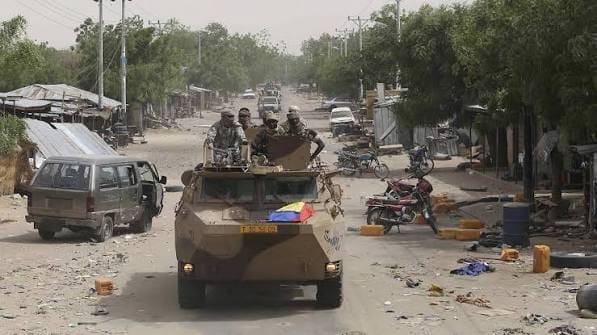
Mid-July saw a surge in terrorist violence sweep across villages in Niger’s southwestern region of Dosso, forcing hundreds of residents to flee their homes in search of safety. These attacks, unprecedented in this border area neighboring Nigeria and Bénin, mark a troubling escalation in regional insecurity that has intensified since 2025.
Local officials and eyewitness accounts confirm that survivors sought refuge in nearby Tahoua, a region bordering Nigeria, while others traveled to Dogondoutchi—roughly 100 kilometers from Loga—to escape the immediate threat. The violence is attributed to armed groups linked to Al-Qaïda and the Islamic State, both of which have significantly expanded their operations in the Sahel over recent years.
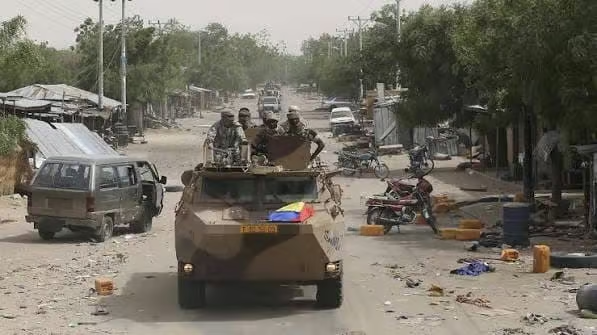
Niger’s displacement crisis deepens amid rising terror threats
Latest United Nations data reveals that Niger is now home to over 450,000 internally displaced persons (IDPs), with the majority concentrated in three regions plagued by terrorism for nearly a decade. Tillabéri—bordering Burkina Faso and Mali—hosts the largest share, accounting for 48% of the displaced population, followed by Diffa in the southeast and Tahoua in the central-east.
On July 17, a coordinated assault targeted a military detachment in western Niger, resulting in 16 fatalities and 23 injuries among soldiers, while neutralizing 15 militants. This incident underscores the persistent vulnerability of the country’s security forces, which have faced relentless attacks from both the Islamic State in the Greater Sahel and the Group for the Support of Islam and Muslims (JNIM), an Al-Qaïda affiliate.
Emerging hotspots and regional instability
The recent violence in Dosso reflects a broader pattern of insurgent activity spreading southward, threatening communities previously considered less exposed. The proximity to Nigeria and Bénin has transformed this once-peaceful border zone into a contested battleground, drawing in extremist factions vying for territorial control.
As the humanitarian fallout grows, local authorities and aid organizations are scrambling to provide shelter, food, and medical assistance to displaced families. The situation remains volatile, with fears of further displacement should the security vacuum persist.


More Stories
Mali’s information war: can the public still trust the news when Maliweb.net amplifies the army’s narrative?
Will West Africa’s sleeping savings finally become its financial lifeline?
Can Benin and Spain turn cultural diplomacy into a lasting strategic advantage?