
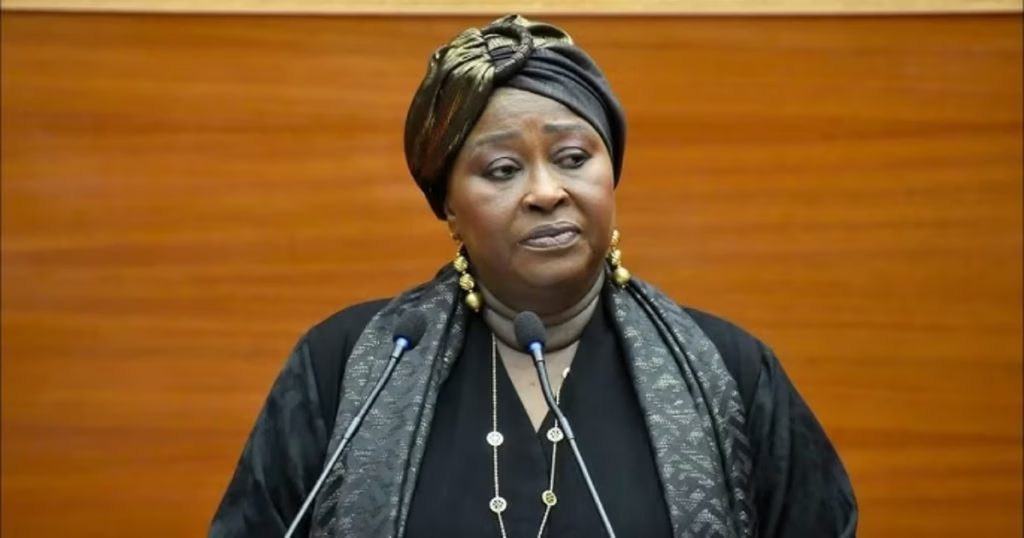
Statements made by Maïmouna Dièye during a gathering in Khombole have triggered a wave of reactions, with particular attention drawn to her wording when addressing Ousmane Sonko. The phrase she used, often reserved for religious figures, has ignited discussions about the intersection of faith and politics in Senegal.
the controversy surrounding the invocation
Maïmouna Dièye’s choice of words did not go unnoticed. By invoking ‘Seyidina Ousmane Sonko Salalahou Aleyhi Wa Salam’, she employed a religious formula typically used to honor the Prophet Mohammad (peace and blessings upon him) and, in some traditions, other prophets. This invocation holds deep spiritual significance in Islam and is not meant to be applied to political figures, no matter their influence or standing.
In Islamic practice, such a phrase is a mark of reverence reserved exclusively for the divine and prophetic realms. Its application to a political leader blurs the line between respect for an individual and the sacred, prompting concerns about the unintended elevation of public figures to spiritual status. This linguistic and cultural misstep has raised eyebrows and sparked a broader conversation about the limits of devotion in Senegal’s political landscape.
ousmane sonko’s swift response
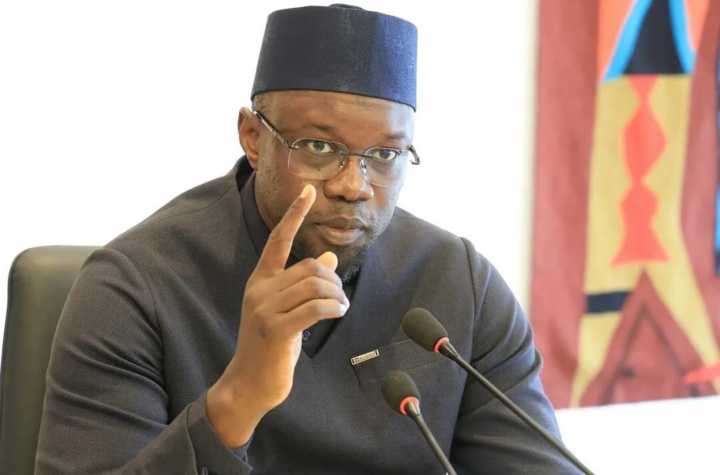
Ousmane Sonko addressed the remarks publicly, clarifying that while he appreciates the support of his followers, he does not and will not claim the spiritual status implied by such an invocation. His reaction underscores the sensitivity of religious language in Senegalese public discourse, where respect for faith remains a cornerstone of social and political interactions.
By immediately correcting the narrative, Sonko aimed to prevent the remarks from being exploited by opponents or misinterpreted by the public. The incident highlights the careful balance political leaders must strike when navigating religious sentiments in a country where faith and national identity are deeply intertwined.
More Stories
Controversial remarks by maïmouna dièye spark debate in Senegal
Maïmouna dièye’s remarks on ousmane sonko spark controversy in khombole
Ousmane Sonko warns PASTEF supporters of escalation tactics in Senegal