Mali Independence Day: Opposition Leader Fakaba Sissoko Demands Accountability from Those in Power
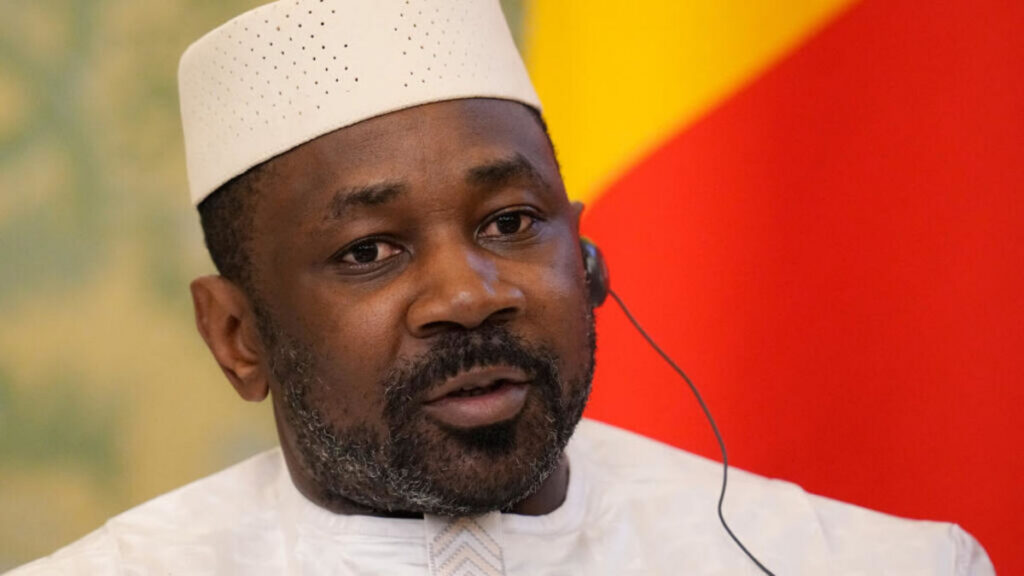
On Mali’s Independence Day, September 22, the nation commemorates its freedom. However, this year’s celebrations were overshadowed by sharp criticism from opposition figures. In a televised address on September 21, transitional President General Assimi Goïta praised the country’s economic progress, vowed to intensify efforts against armed terrorist groups, and emphasized national reconciliation.
Since seizing power in 2020—without elections and with the backing of Russia’s Africa Corps—General Goïta has framed Mali’s involvement in the Alliance of Sahel States (AES) as a step toward greater sovereignty. Yet, his claims of progress stand in stark contrast to the realities facing ordinary Malians, many of whom remain in silence under the transition regime.
Opposition Voices Speak Out from Exile
Among the most vocal critics is Etienne Fakaba Sissoko, a former academic turned opposition leader. As the spokesperson for the Coalition of Forces for the Republic (CFR), led by Imam Dicko, Sissoko represents a growing movement of Malians in exile who challenge the legitimacy of the current leadership.
In an exclusive interview, Sissoko addressed the president’s remarks, stating: “I deeply regret that in his speech, Assimi Goïta tied the 66th anniversary of our independence to the transition’s achievements. While we support our soldiers and defend our sovereignty, we must also hold those in power accountable. Malians are desperate for tangible results: safety on the roads, stable employment, reliable electricity, and the restoration of democratic freedoms.”
He continued, “The president’s failure to acknowledge Russia’s role—or the failures of the Russian military partnership—speaks volumes. The recent attack on the Dioura military camp, where over 100 Malian soldiers were killed and dozens captured by terrorists, is a stark reminder of this failed alliance.”
From Celebration to Mourning: A Nation’s Deterioration
Sissoko’s perspective reflects a broader sentiment of disillusionment. “Today, Mali is not a nation in celebration but in mourning. The country’s decline has reached unprecedented levels under this regime. I cannot bring myself to celebrate Independence Day when the state of our nation dishonors the very leaders entrusted with its governance.”
The opposition leader’s remarks underscore the growing divide between official narratives and ground realities in Mali, as the nation grapples with security crises, economic stagnation, and political instability.