Civilian killings in central Mali amid intensifying conflict
At least 31 civilians were killed and homes were torched in two villages in Mali’s Ségou region on October 2 and 13, according to local testimonies and investigations. The attacks involved Malian armed forces and allied militias, including Dozos hunters, who accused villagers of collaborating with Islamist insurgents.
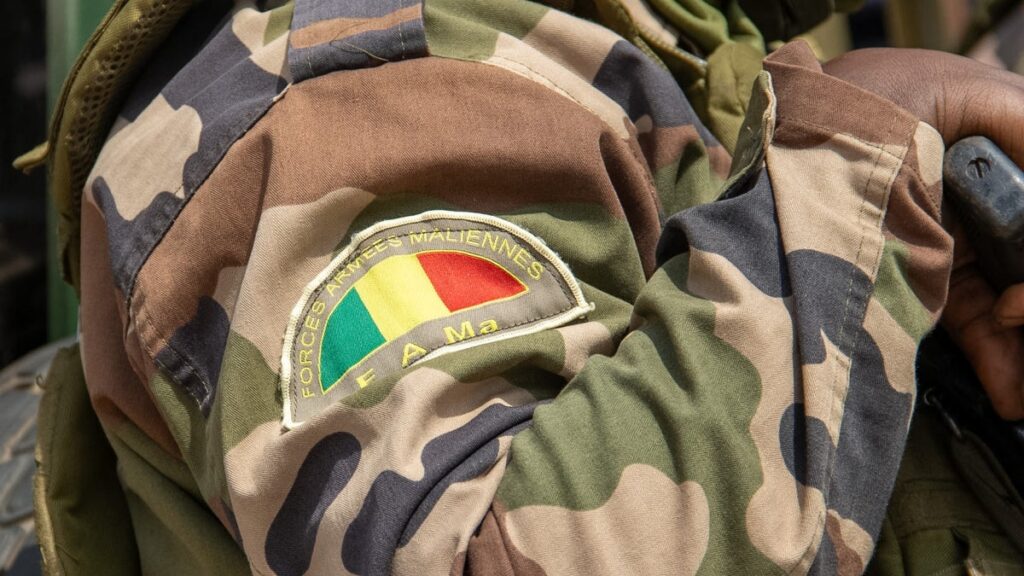
On October 2, Malian soldiers operating alongside Dozos militiamen stormed Kamona village, killing 21 men and setting at least 10 homes ablaze. Witnesses reported that the attackers, identifiable by their camouflage uniforms and traditional amulets, executed men they accused of ties to the Group for the Support of Islam and Muslims (GSIM), an Al-Qaeda affiliate active in the area. Many residents fled after receiving warnings from GSIM fighters, but those who remained were gathered and shot.
« The October killings in Ségou are the latest in a series of atrocities linked to the Malian army and its allied militias, » said a researcher investigating the incident. « Authorities must conduct a thorough, impartial investigation and hold those responsible accountable through fair trials. »
On October 13, a similar operation in Balle village, roughly 55 kilometers away, resulted in the deaths of nine men and one woman. Survivors described how soldiers and Dozos fighters, arriving in five pickups and over 30 motorcycles, conducted door-to-door searches, beating and torturing residents before executing them. The attackers also stole over 100 cattle. One witness recounted finding 10 bodies, including that of a 55-year-old woman, all shot at close range.
Villagers trapped between state forces and insurgents
Local leaders in Balle said the village has been under GSIM control for years, with residents paying Islamic taxes and resolving disputes through the group’s courts. « There are no soldiers, gendarmes, or police here, » explained a community elder. « The army treats everyone as if we were GSIM fighters. They make no distinction. »
Investigations revealed that the military’s October 13 operation in Balle was framed as an « offensive reconnaissance » that allegedly « neutralized around 20 terrorists » and seized military equipment. However, no evidence of armed clashes was found, and witnesses confirmed that GSIM fighters had already left the area before the attack.
Since 2012, Mali has been embroiled in conflict with various Islamist armed groups, leading to thousands of civilian deaths and displacing over 400,000 people. Human rights groups have documented widespread abuses by both state forces and insurgents, including summary executions and arson attacks on villages.
Legal and regional implications
Under international humanitarian law, all parties to the conflict must protect civilians and refrain from indiscriminate violence. Deliberate attacks on non-combatants, executions, and destruction of property constitute war crimes. The Malian government, having withdrawn from the International Criminal Court (ICC) in September, remains bound by the Rome Statute until September 2026, during which time the ICC can still investigate alleged war crimes committed since 2012.
Regional bodies, including the African Union (AU), have yet to take meaningful action despite escalating violence. Critics argue the AU’s Peace and Security Council has failed to prioritize accountability for abuses by all parties, instead issuing only statements expressing concern.
« The AU must elevate Mali’s crisis to a top priority, » stated a senior researcher. « It should convene regular briefings, strengthen diplomatic efforts, and coordinate regional and international actions to ensure accountability for atrocities committed by all sides. »