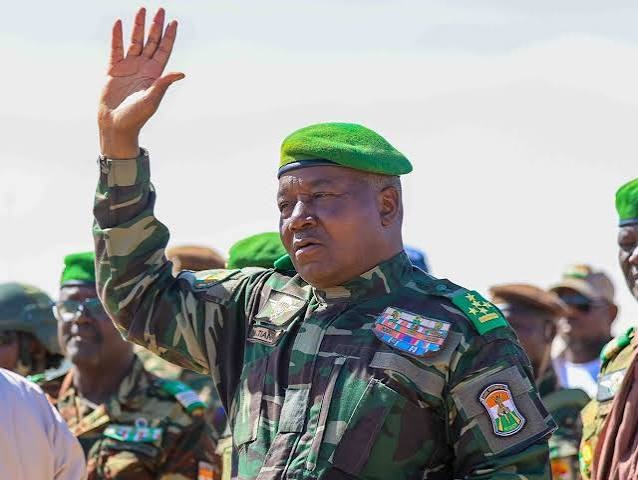
Niamey has seen this cycle play out too many times. The echoes of gunfire near the presidential palace and military installations have become a grim soundtrack to the nation’s political life. Each reported mutiny or power struggle within the ranks isn’t just a random incident—it’s a direct consequence of a system built on the very principle that brought the current leadership to power.
The pattern is unmistakable: military regimes in Niger, regardless of who leads them, are trapped in a cycle where the very tool used to seize control becomes the weapon used against them. Three years after the 2023 takeover, the transition’s original promise of renewal has given way to a growing sense of disillusionment. What was once framed as a temporary measure to restore order now feels like an indefinite postponement of democracy.
Why three years of transition is too long for Niger’s people
The initial public support for the military-led government has eroded over time. A population that endured sanctions and isolation in the name of stability is now questioning whether the sacrifices were worth it. When a transition drags on without a clear roadmap to civilian rule, public patience wears thin. The longer the delay, the more the narrative shifts from hope to frustration.
As the months pass, the temporary exception becomes the new norm. Promises of national rebirth quietly transform into strategies of power preservation. The longer the military clings to control, the more it risks losing the very legitimacy it claims to defend.
Security promises fall short against harsh realities
The justification for the 2023 intervention was clear: restore security and national dignity. Yet the reality on the ground tells a different story. Despite bold declarations and shifts in international alliances, the promise of safety remains unfulfilled. Soldiers continue to fall in combat, and communities still face the daily threat of armed groups. When the rhetoric of resilience clashes with the reality of ongoing violence, doubt spreads—first within the ranks, then across the nation.
The longer the military government fails to deliver tangible security improvements, the weaker its moral authority becomes. A leadership that came to power on the claim of restoring order now struggles to justify its continued hold on power.
The dangerous precedent of settling disputes with weapons
The 2023 coup didn’t just remove a civilian administration—it sent a dangerous signal. If force can topple an elected government, then force can also topple a military one. The current leadership, which arrived through the barrel of a gun, has unwittingly taught the same lesson to others within the armed forces. What was once a unified institution is now a fractured landscape of competing ambitions.
Recent clashes among military factions are not anomalies—they are the inevitable outcome of a system that validates the use of arms as the ultimate political tool. From Seyni Kountché to Ibrahim Baré Maïnassara and beyond, Niger’s political history confirms this truth: regimes born from the barrel of a gun carry the seeds of their own downfall.
The gunfire heard near Niamey’s power centers isn’t just noise—it’s a reminder that no leader, regardless of rank, is immune to the volatility of a system built on force. A weapon that installs a president today can just as easily remove one tomorrow. Without a firm commitment to constitutional order and civilian governance, Niger’s future remains hostage to the next spark in the barracks.