Fuel theft at the heart of Nigeria’s economic crisis
In a move that has sent shockwaves through Nigeria’s oil sector, authorities in Ogun State have uncovered a massive illegal refinery allegedly operated by Chinese nationals. The clandestine facility, discovered in Ogere, raises fresh concerns about the theft of national wealth and the erosion of economic sovereignty. With equipment capable of processing toxic petroleum sludge into counterfeit diesel, the operation highlights the scale of corruption threatening Africa’s largest oil producer.
Inside Nigeria’s illegal refinery: a three-hectare web of deception
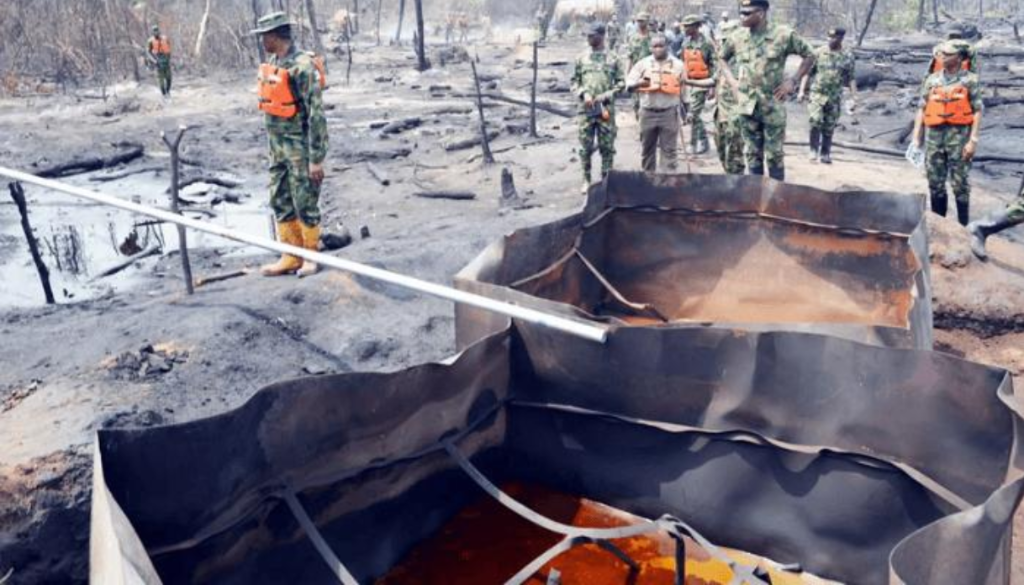
The facility, sprawling across more than three hectares, reveals a sophisticated setup designed to bypass regulatory oversight. Investigators found underground storage tanks, heating systems, separation devices, and cooling installations—tools typically used in legitimate refineries but deployed here in violation of Nigerian law.
One massive underground tank held an estimated 90,000 liters of processed fuel, a volume that suggests large-scale, ongoing production. Authorities believe residues, known locally as “black sludge,” were transported from oil hubs like Warri and Port Harcourt before being refined into diesel, branded as AGO in Nigeria.
With no operators present during the raid, questions loom over the logistics behind such an operation—including supply chains, financing, and distribution networks. Who furnished the raw materials? Who funded the infrastructure? And where were the finished products sold? Until answered, the full extent of this underground economy remains shrouded in secrecy.
Local involvement under scrutiny
The existence of a refinery this size points to possible local complicity in its establishment and operation. Nigerian investigators must now examine transport routes, storage sites, and administrative oversight to determine whether institutional or private actors facilitated the illegal activity. No charges have been filed, but the probe has only just begun.
Environmental and economic fallout threatens public health and budgets
The illegal refinery poses severe hazards. Artisanal processing of petroleum sludge releases toxic emissions, contaminates soil, and threatens groundwater. Without proper safeguards, explosions and fires risk endangering nearby communities. The health toll on residents could be long-lasting and irreversible.
Economically, the facility siphons revenue from the state by dodging taxes and regulatory fees. It also distorts the market by flooding it with cheap, untested fuel, undermining legal businesses that comply with safety and quality standards. Consumers and industries using contaminated diesel face engine damage and operational failures.
China’s footprint in Nigeria’s oil sector: coincidence or systemic issue?
This scandal erupts amid deepening economic ties between Nigeria and China. While Chinese firms operate across sectors like mining, infrastructure, and trade, the discovery of an illegal refinery linked to Chinese nationals challenges perceptions of oversight and accountability.
Critics argue that China’s growing presence in Africa’s energy sector demands stricter monitoring. However, authorities caution against conflating individual crimes with national policy. At this stage, no evidence ties the operation to Beijing’s official strategy. The core issue is Nigeria’s failure to enforce its own laws regardless of foreign involvement.
Nigeria’s sovereignty at stake: the price of unchecked oil theft
The dismantling of this illegal refinery is more than a raid—it’s a test of Nigeria’s control over its natural resources. The episode underscores a harsh reality: vast oil wealth is meaningless without robust institutions to prevent theft and corruption. Every illegal refinery uncovered chips away at national revenue, investor confidence, and public trust.
As investigators trace financial flows and supplier networks, the case will test Nigeria’s judicial system and enforcement agencies. Will the operators be held accountable? Will weak regulatory frameworks be strengthened? The answers will shape the country’s economic future and its claim to true energy sovereignty.