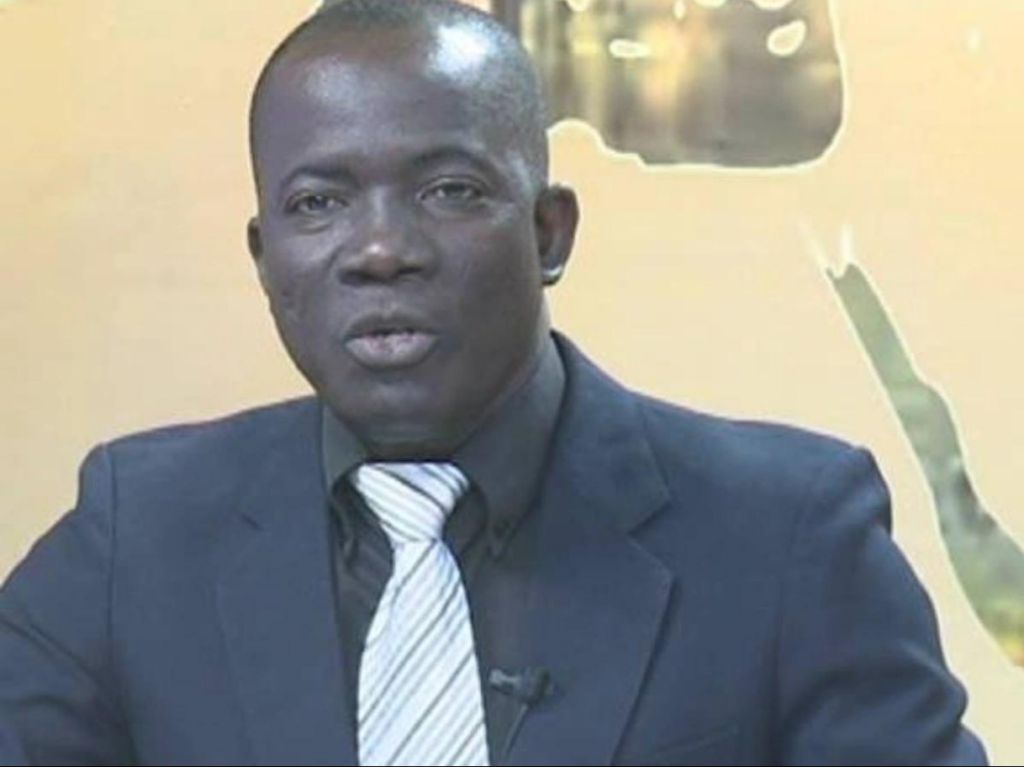
After spending over two years behind bars on charges of threatening state security, Nigerien-Ivorian journalist Serge Mathurin Adou walked free on November 11, 2026. While his release brings relief to his family and colleagues, it arrives in a climate where press freedoms in Niger have steadily eroded since the military takeover led by General Abdourahamane Tiani on July 26, 2023.
From detention to freedom: a long-awaited relief for a family and a profession
Serge Mathurin Adou, a journalist working for Niger’s private broadcaster Canal 3 Niger, was released from custody after 827 days of imprisonment. The news was confirmed by relatives who had closely followed his case. His return marks the end of a grueling ordeal for his loved ones, who had feared the worst while fighting for his legal and humanitarian rights.
Yet this moment of respite comes at a heavy cost for the journalist and the broader industry. His detention underscored the escalating risks faced by media professionals operating in Niger, where reporting on sensitive topics—particularly national security—can result in severe consequences.
How a transnational case reignited concerns over press independence
The circumstances surrounding his arrest trace back to September 1, 2024, when Mathurin Adou was summoned by judicial police in Niamey but never returned home. For weeks, his family lived in uncertainty until September 23, 2024, when Burkina Faso’s then-minister of security, Mahamadou Sana, publicly implicated him in an alleged plot to destabilize Burkina Faso’s junta under Captain Ibrahim Traoré.
Within weeks, Nigerien authorities formally charged Mathurin Adou with “threatening state security.” On November 11, 2024, he was indicted, and on November 21, 2025, a Niamey court sentenced him to two years in prison—a far cry from the 20-year sentence prosecutors had sought. His legal team argued that the charges were politically motivated, citing a lack of concrete evidence linking him to any unlawful activity.
An unsafe landscape for journalism in a changed Niger
Mathurin Adou’s ordeal reflects a broader crackdown on media freedom that intensified following the 2023 coup. Since the military reshaped the country’s leadership, journalists and news outlets have faced escalating pressures—arrests, station closures, and systemic intimidation have become routine.
International observers, including human rights organizations, have documented a sharp decline in press freedoms. Reporters investigating security matters or government policies frequently encounter harassment, arbitrary detention, or forced self-censorship. Several prominent voices in media—including Samira Sabou, Ousmane Toudou, and Soumana Maïga—have been detained, sparking widespread concern among journalists and civil society alike.
In early 2024, authorities suspended the Maison de la presse, the country’s primary professional media association, further isolating journalists. International broadcasters such as RFI and France 24 also faced bans, curtailing access to diverse sources of information.
Press freedom index signals alarming decline in global standing
The crisis in Niger’s media environment is reflected in its plummeting global press freedom ranking. In 2025, the country ranked 83rd out of 180 nations in Reporters Without Borders’ (RSF) annual index. By 2026, its position had dropped to 120th—a decline of 37 places in just one year—underscoring the rapid deterioration of conditions for independent journalism.
RSF has linked this decline directly to the July 2023 coup, citing increased legal, economic, and physical pressures on journalists. The organization highlights how deteriorating media sustainability, coupled with state-imposed restrictions, has severely limited journalists’ ability to investigate public policies and report on national crises without fear of reprisal.
One man’s freedom, but a profession still under siege
While Serge Mathurin Adou’s release is a positive development for his personal freedom and the morale of his peers, it does not signal an end to the systemic challenges facing Niger’s press. Other journalists remain in detention, media outlets continue to operate under threat of closure, and many professionals now avoid sensitive topics altogether to protect themselves.
In a nation grappling with rising insecurity and political instability across the Sahel, access to credible, independent information is more critical than ever. Yet the ongoing restrictions risk leaving citizens uninformed and civil society voices silenced.
The state’s duty to protect national security must not come at the expense of fundamental freedoms. Journalists should be able to report without fear, and citizens deserve the right to know. Without genuine reforms and protection for media professionals, the trend toward repression will only deepen, leaving Niger’s democracy and its people unprotected.
For now, Serge Mathurin Adou returns home. But for the rest of Niger’s journalists, the fight for their right to inform—and be informed—continues against formidable odds.