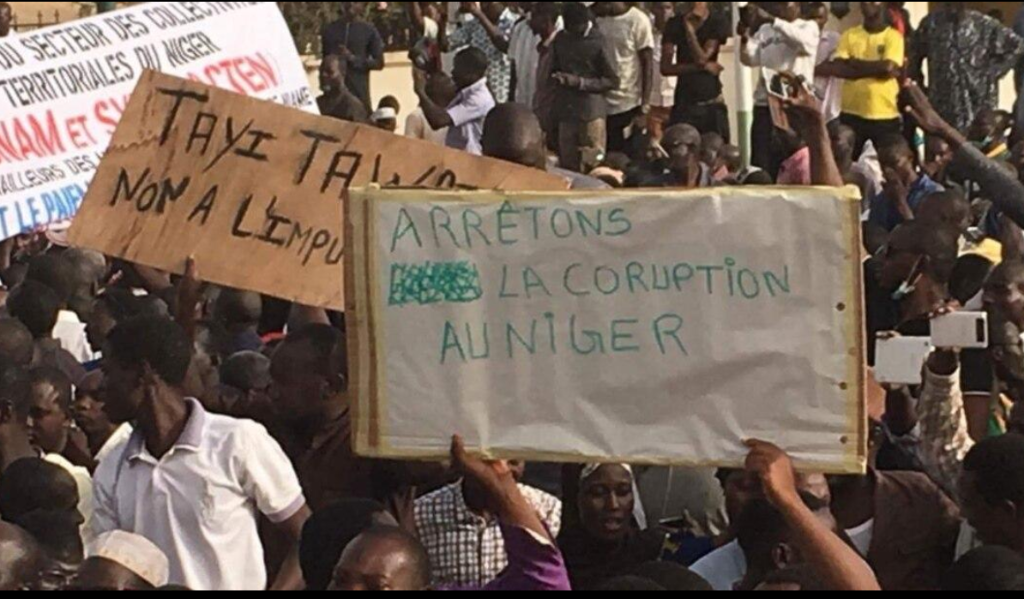
With Niger poised to receive an additional $760 million from the World Bank to bolster energy, agriculture, and water infrastructure, the real question looms large: who will ensure these funds are used effectively—and without mismanagement?
The promise of new funding in a climate of growing opacity
The pledge, announced in November 2026 during a high-level meeting in Niamey, highlights a critical dilemma for Niger. On one hand, the funds could accelerate progress in sectors plagued by chronic underinvestment. On the other, the country’s rapidly declining standards in financial transparency threaten to undermine any real benefits these resources might bring.
According to the latest Open Budget Survey from the International Budget Partnership, Niger’s transparency score plummeted from a dismal 33 out of 100 in 2023 to just 6 in 2025—a catastrophic drop of 27 points in just two years. These numbers aren’t abstract; they reflect a collapse in public access to budget information, a near-total absence of citizen participation in financial decisions, and virtually no oversight mechanisms to track public spending.
Why financial transparency matters more than ever
This isn’t just about bureaucratic accountability. When civic space is shrinking—when independent media outlets face restrictions, civil society organizations struggle to operate freely, and dissenting voices are suppressed—the very mechanisms that keep public spending in check start to falter.
Independent oversight isn’t a luxury. It’s a safeguard. Without it, funds intended for hospitals, schools, and irrigation systems risk being siphoned off, misallocated, or lost entirely to corruption and inefficiency. The financial freedoms of Nigerien citizens aren’t peripheral to economic decisions—they are central to ensuring that every dollar delivers real impact.
Government accountability vs. financial sovereignty
The government of Niger has consistently emphasized its commitment to economic sovereignty. But sovereignty isn’t just about reducing reliance on external partners—it’s about demonstrating that domestic institutions can manage public finances with integrity and transparency. Claiming independence while eroding the checks and balances that make oversight possible isn’t just contradictory; it’s a recipe for mismanagement.
For the $760 million World Bank package to fulfill its promise, the government must immediately publish detailed terms of the financing: how funds will be allocated across sectors, which projects will be prioritized, and the conditions tied to repayment, especially for loan components. Transparency isn’t optional—it’s a prerequisite for accountability.
Can the World Bank ensure responsible use of funds?
The World Bank has a vital role to play in ensuring that every dollar is tracked, audited, and used as intended. Its own safeguards—anti-corruption protocols, independent verification processes, and grievance mechanisms—must not only be upheld but visibly enforced.
But this burden isn’t solely on international partners. The Nigerien government bears ultimate responsibility. Publishing contracts, tender results, beneficiary lists, and execution reports should be non-negotiable steps before any funds are disbursed. Regular, independent audits should be conducted with results made publicly accessible. Without these safeguards, the risk of waste or abuse becomes dangerously high.
The cost of silence: what’s at stake beyond the money
Beyond the immediate economic stakes, the erosion of financial transparency carries long-term consequences. Without public scrutiny, public trust erodes. Without trust, even well-intentioned projects fail to win citizen buy-in. And without citizen engagement, the true potential of development funds remains untapped.
The $760 million pledged by the World Bank could transform energy access, modernize agricultural practices, and secure clean water for thousands of Nigeriens. But without mechanisms for real accountability, the funds risk becoming just another missed opportunity—another chapter in a cycle of empty promises and unfulfilled potential.
The choice isn’t merely technical. It’s political. It’s moral. And it will define not just Niger’s economic future, but the very legitimacy of its governance.