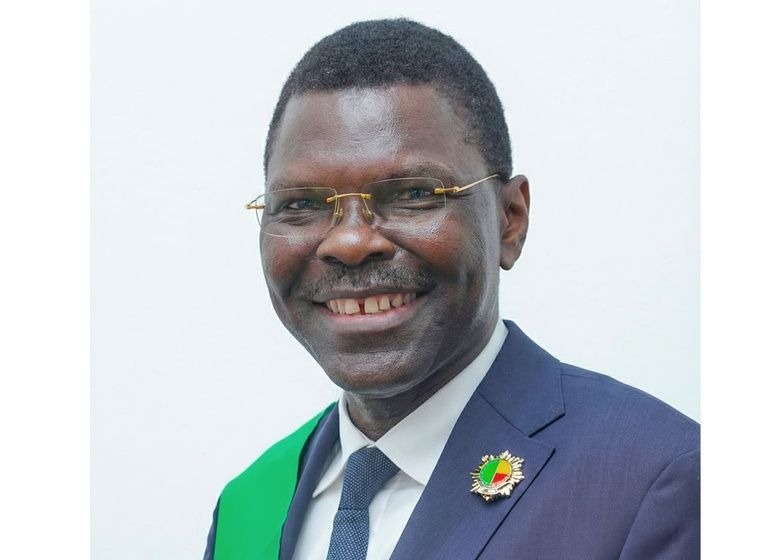
As West Africa grapples with deepening fractures across the Sahel, Benin’s Speaker of Parliament Joseph Fifamè Djogbénou has intensified diplomatic efforts to restore vital trade links with Niger and Burkina Faso—countries locked in a prolonged standoff since 2023. Addressing delegates at the 86th Executive Committee and 48th Presidents’ Conference of the African Parliamentary Union (APU) in Lomé, Djogbénou framed the crisis not as a distant political dispute, but as a direct threat to regional livelihoods, warning that prolonged border closures risk accelerating economic decline across borders.
Why broken trade flows are hurting families and small businesses
The fallout from closed borders is already reshaping daily life for millions. Smuggling routes—once lifelines for traders moving food staples, fuel, and medicine—have narrowed, pushing prices upward and leaving rural markets undersupplied. For artisans in northern Benin and southern Niger who depend on cross-border sales, the downturn has translated into lost income and shuttered workshops. Djogbénou put it plainly: “Trade is not a luxury—it is a social contract.” Without renewal, communities on both sides face tighter budgets, delayed schooling, and deeper vulnerability to extremist recruitment.
From symbolic gestures to a strategy of economic reintegration
Djogbénou’s push goes beyond rhetoric. He has repeatedly emphasized that Benin cannot thrive in isolation, comparing the three nations’ interdependence to a shared canoe: “If one passenger bails water while the others capsize, we all sink together.” His parliamentary diplomacy now includes structured dialogue with Nigerien and Burkinabé counterparts to revive stalled cooperation frameworks—especially in security and customs clearance—aimed at reopening land corridors within six months.
Milestones already reached
- Joint border security patrols: Initial patrols involving Beninese, Nigerien, and Burkinabé gendarmes have shown early promise in curbing illicit trafficking while facilitating humanitarian corridors for displaced families.
- Humanitarian exemptions: Temporary agreements now allow critical medical shipments and food aid to transit borders under monitored conditions, easing immediate suffering in areas cut off from markets.
- Parliamentary liaison teams: Small cross-border teams of lawmakers and customs officers are working to harmonize trade documentation, reducing red tape that has choked legitimate commerce since 2023.
Can common ground outlast political tempests?
Historically, regional reconciliation has stumbled over issues like governance legitimacy and shifting alliances. Yet Djogbénou insists that continuity matters more than personalities. “Institutions change, but geography does not,” he said, underscoring that Benin’s legislature will use every parliamentary forum—in Lomé, Abuja, or Niamey—to keep dialogue alive. Even as neighboring capitals navigate volatile public sentiment, his message is directed inward: “We owe it to the mothers, the farmers, the artisans to ensure that politics serves people, not the other way around.”
The bottom line: Regional stability begins at home
A fractured Sahel cannot guarantee security, trade, or prosperity for anyone. Djogbénou’s latest diplomatic gambit is a quiet acknowledgement that lasting peace is built not on grand declarations, but on shared daily sacrifices. By extending an unconditional hand to Niamey and Ouagadougou, he is staking Benin’s reputation on the belief that regional solidarity is not optional—it is survival.